
Person writing in journal the statement "Today I am grateful for"
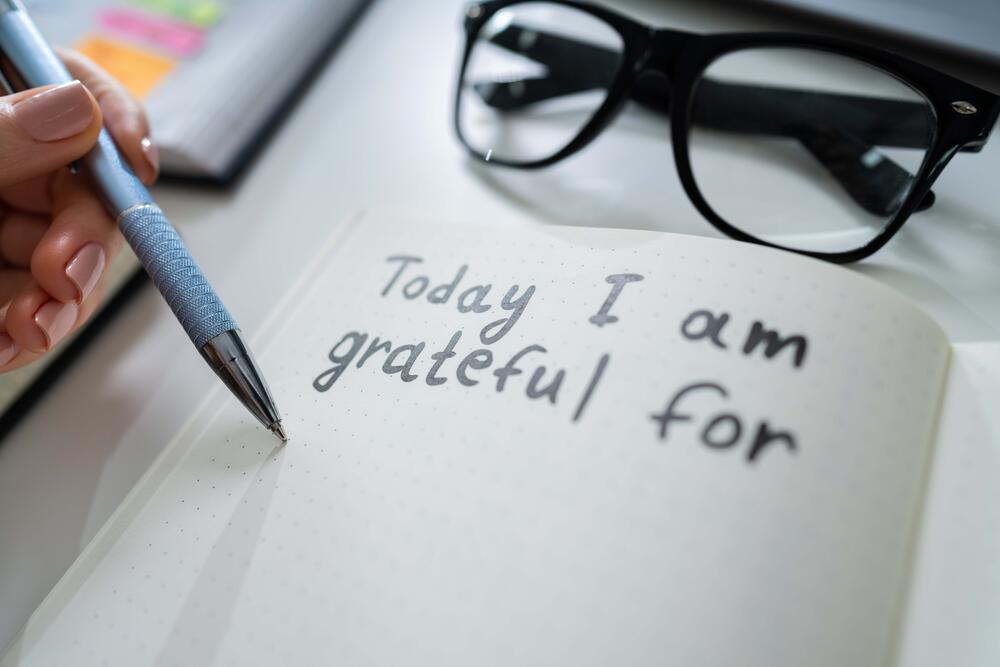
Person writing in journal the statement "Today I am grateful for"
Gratitude is saying "thank you." But it's more than a thank-you to a friend for a favor or gift. Gratitude is saying thanks for everything that is important to you and good in your life.
Gratitude doesn’t require waiting for a major life event or milestone. It can be practiced through small, everyday moments, such as appreciating a beautiful sunrise, enjoying a conversation with a friend, or taking a moment to recognize what went well during tour day. While practicing gratitude doesn’t eliminate life’s challenges, it can help shift your focus towards the positive experiences that often go unnoticed. Over time, this simple habit may help build resilience and support a more positive outlook.
Like any healthy habit, gratitude becomes more meaningful with consistency. Setting aside even a few minutes each day to reflect on what you’re thankful for can help make gratitude part of your regular routine. There is no right or wrong way to practice—it simply means taking intentional time to recognize the people, experiences, and moments that bring value to your life.
Here are some tips that can help you get started.
Remember that gratitude looks different for everyone. Some people enjoy writing in a journal, while others prefer expressing appreciation through conversations, acts of kindness, or quiet reflection. The most important thing is finding a practice that feels natural and fits into your daily life. Even small moments of gratitude can have a positive impact on your emotional well-being and help you approach each day with a greater sense of perspective and appreciation.
Legal Disclaimer:
EIN Presswire provides this news content "as is" without warranty of any kind. We do not accept any responsibility or liability for the accuracy, content, images, videos, licenses, completeness, legality, or reliability of the information contained in this article. If you have any complaints or copyright issues related to this article, kindly contact the author above.
