
Stay Safe in Cape Cod Waters: What Every Beachgoer Needs to Know
Published on: June 23, 2026
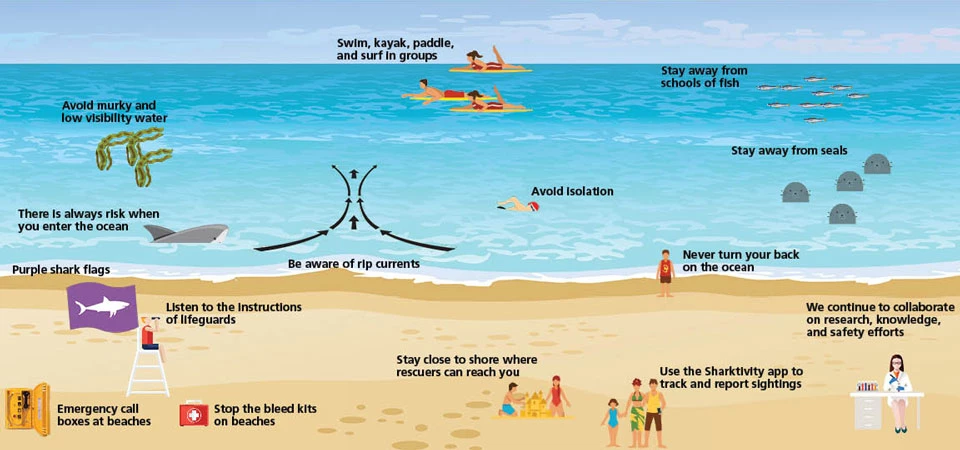
The infographic above is courtesy of the Cape Cod National Seashore Beach and Water Safety page (U.S. National Park Service).
Cape Cod’s beaches are among the most beautiful in New England, but the Atlantic Ocean demands respect. Rip currents are one of the leading hazards along the Cape’s shores, these powerful, narrow channels of water can pull even strong swimmers away from shore with surprising speed. Cape Cod’s surf can also be deceptively forceful, with waves strong enough to knock swimmers off their feet or drag them under, particularly on the outer-facing ocean beaches. Cold water is another serious concern, even in summer, Cape Cod Bay and the Atlantic can remain cold enough to cause muscle cramps and hypothermia. Keep these tips in mind before entering the water:
- If caught in a rip current, don’t panic – swim parallel to shore until free, then angle back to the beach
- Watch wave patterns before entering and never turn your back to the ocean
- Enter cold water gradually, and get out if you feel numb or fatigued
- Always swim at beaches with certified lifeguards on duty when possible
Children are especially vulnerable to ocean hazards, making parental supervision non-negotiable at the beach. Designate one adult as a dedicated water watcher at all times and know where the nearest lifeguard stand is before your children enter the water. Swimming at night presents an entirely different and more dangerous set of challenges, darkness eliminates your ability to spot hazards, reduces your visibility to rescue personnel, and many Cape Cod towns prohibit it outright. A few key rules to follow:
- Keep children within arm’s reach in or near the water – not just within eyesight
- Designate one adult as the water watcher, free from phone and other distractions
- Never swim alone, at any age or any time of day
- Check local ordinances before heading to the beach after dark, and stay out of the water at night
Cape Cod is also home to a rich and occasionally hazardous marine ecosystem. Great white shark activity has increased significantly in recent years, particularly near seal colonies along the outer Cape. Always heed beach closures and shark advisory flags. Jellyfish, horseshoe crabs, and seals are common in warmer months and can cause painful injuries. By staying aware and taking simple precautions, your family can enjoy everything Cape Cod’s waters have to offer safely.
- Heed all shark flags and beach closures without exception
- Avoid areas with visible wildlife activity and never approach marine animals
- Scan the water before entering and stay alert throughout your swim
Resources:
Legal Disclaimer:
EIN Presswire provides this news content "as is" without warranty of any kind. We do not accept any responsibility or liability for the accuracy, content, images, videos, licenses, completeness, legality, or reliability of the information contained in this article. If you have any complaints or copyright issues related to this article, kindly contact the author above.
