
County Dredging Operations Continue in Harwich as 30th Season Nears Completion
Published on: June 12, 2026

Barnstable County’s Dredge Department continues work on a series of harbor improvement projects in Harwich as the County’s 30th dredging season nears completion.
The County dredge Cod Fish II began dredging the Wychmere Harbor Approach and Entrance Channel on Wednesday, June 10, following a spring condition survey that identified shoaling restricting navigation at low tide. The project is expected to remove approximately 1,000 cubic yards of material, which will be beneficially reused for beach nourishment.
Dredging operations are also underway at the Saquatucket Harbor Approach and Entrance Channel. The project targets approximately 9,500 cubic yards of shoaled material and will help restore channel depths while supporting beach renourishment efforts. The County dredge Sand Shifter is currently awaiting favorable conditions to resume operations.
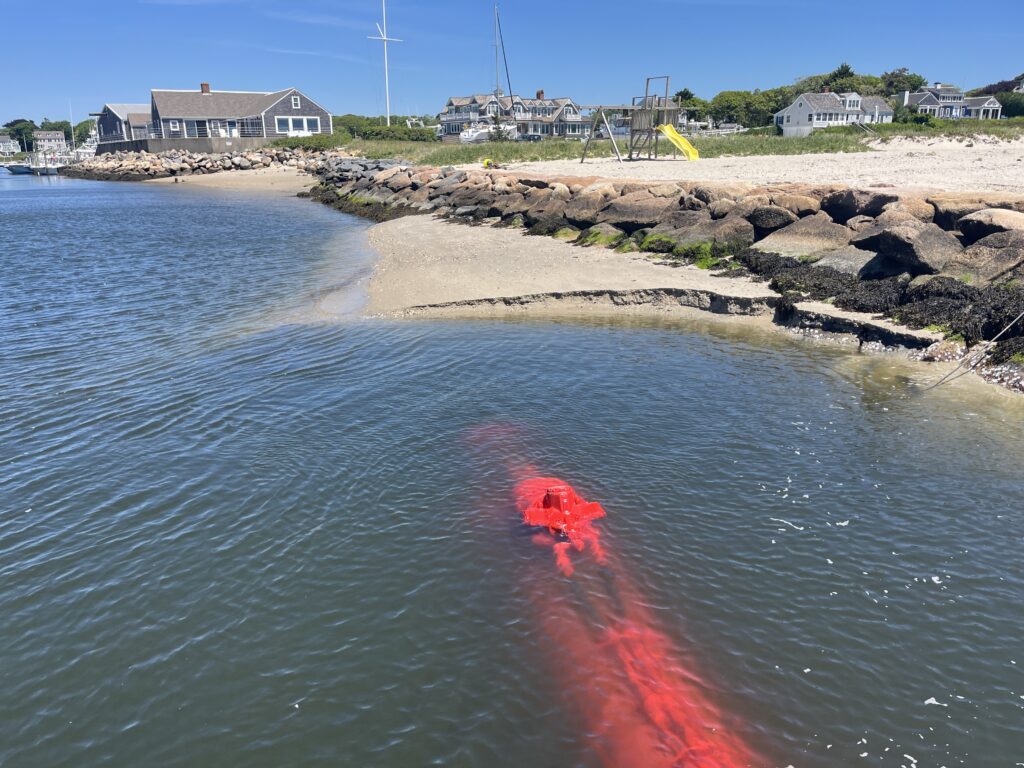
The third Harwich project, dredging of the Allen Harbor Approach and Entrance Channel, was completed on June 5. The project addressed significant shoaling that had restricted navigation and prompted the Town of Harwich to issue an emergency dredging order due to public safety concerns.
The County Dredge Program’s primary mission is to maintain the design depths of navigation channels throughout Cape Cod. In addition to improving safe navigation, dredging projects increase water flow, support beach nourishment, strengthen coastal resiliency, restore critical habitat, and contribute to the region’s blue economy.
This season marks the 30th year of the Barnstable County Dredge Program. Prior to the Harwich projects, the County had already removed more than 130,000 cubic yards of material across 10 dredging projects in six Cape Cod communities. Final season totals will be available once work at Wychmere and Saquatucket Harbors is complete. Since its inception, the County Dredge Program has completed more than 300 projects and dredged over 2.5 million cubic yards of material, with 100 percent of dredged material beneficially reused to restore beaches, improve coastal resiliency, and support critical habitat.
Legal Disclaimer:
EIN Presswire provides this news content "as is" without warranty of any kind. We do not accept any responsibility or liability for the accuracy, content, images, videos, licenses, completeness, legality, or reliability of the information contained in this article. If you have any complaints or copyright issues related to this article, kindly contact the author above.
