
From the Archives: The Changing Bench
This post is part four of the “From the Archives” blog series, a 12-part series exploring how the Seattle Municipal Court’s (SMC) work, people and spaces have evolved over time. Through conversations with Judges Andrea Chin, Faye R. Chess and Willie Gregory, this post explores how the bench has changed while the court’s commitment to justice has remained constant.
A courtroom can look much the same from one decade to the next. The judge takes the bench, cases are called, attorneys present their arguments, and decisions are made. But behind that sense of continuity, the judiciary is constantly evolving, and SMC is no exception.
New judges bring different experiences, perspectives and leadership styles. Technology changes how courts operate. New approaches emerge to meet the needs of the community. Through it all, one thing remains constant: the responsibility to administer justice fairly, impartially and with integrity.
Conversations with SMC Judges Andrea Chin, Faye R. Chess and Willie Gregory offer a glimpse into that evolution and the many ways judicial service has changed over the years.
Their paths to the bench could hardly be more different.
Judge Chin began her legal career as a prosecutor with the Seattle City Attorney’s Office before pursuing judicial service. Judge Chess never imagined becoming either a lawyer or a judge. Her career included public defense, housing and employment law before she eventually joined the bench. Judge Gregory entered the judiciary with a passion for public service and criminal law before helping shape programs focused on collaboration, leadership and problem-solving.
While their journeys were unique, each described a profession that has changed considerably over the course of a career.
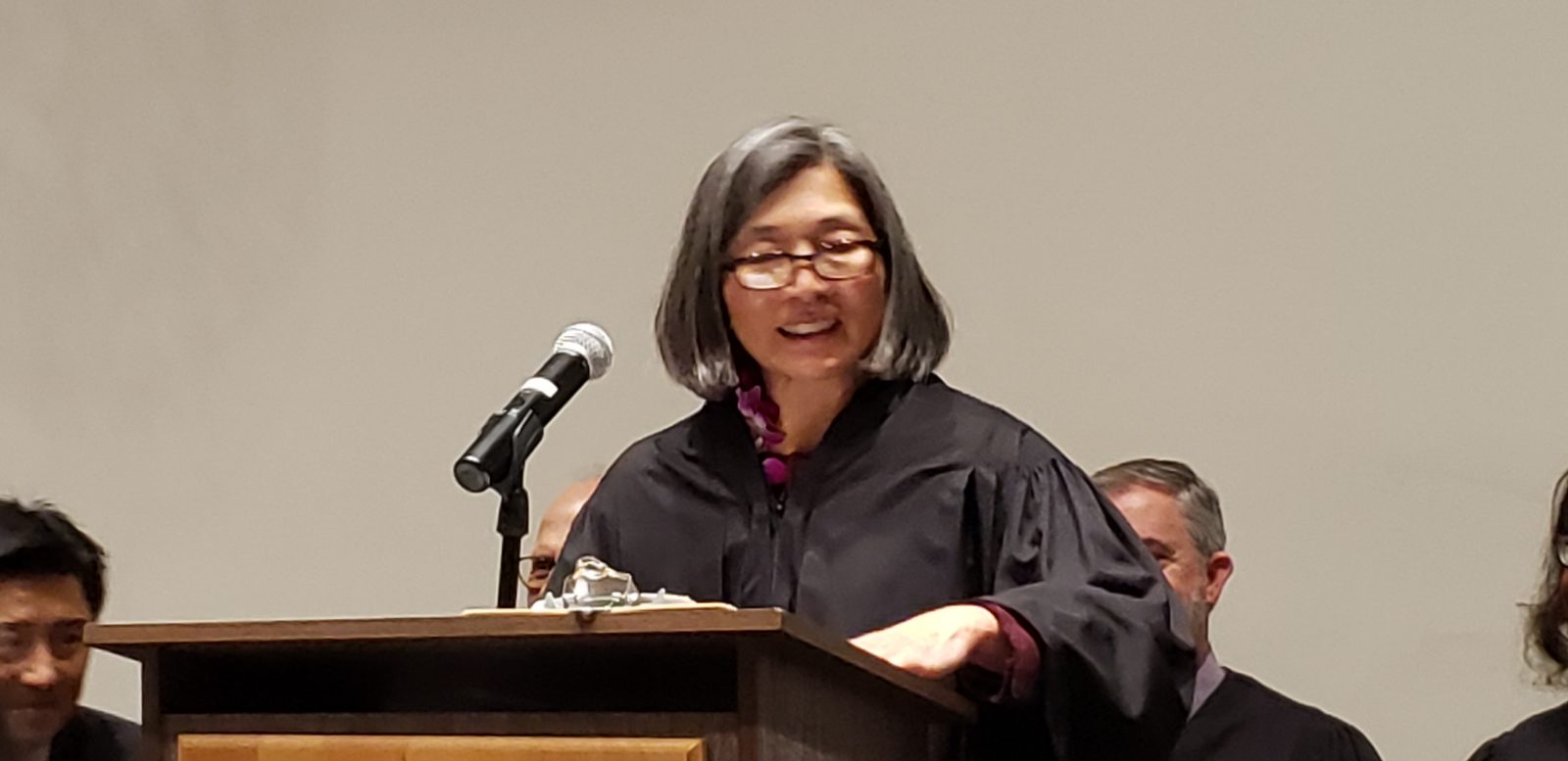
Judge Chin reflected on the evolution of judicial leadership, noting that judges at SMC today communicate more openly, collaborate more frequently and rely less on hierarchy than in years past. She has also witnessed significant changes in courtroom operations, from the expansion of therapeutic courts to the rapid transition to virtual hearings during the COVID-19 pandemic. Through those changes, she emphasized that impartiality remains the foundation of judicial service and public trust.
Judge Gregory has seen the role of judges expand beyond deciding legal disputes. Today’s judiciary, he said, is increasingly focused on collaboration, mentorship and community engagement. He believes leadership requires listening, continual learning and a willingness to adapt as the needs of the community evolve. He also sees therapeutic courts as an important part of the future, helping address the underlying causes of behavior while supporting long-term success.
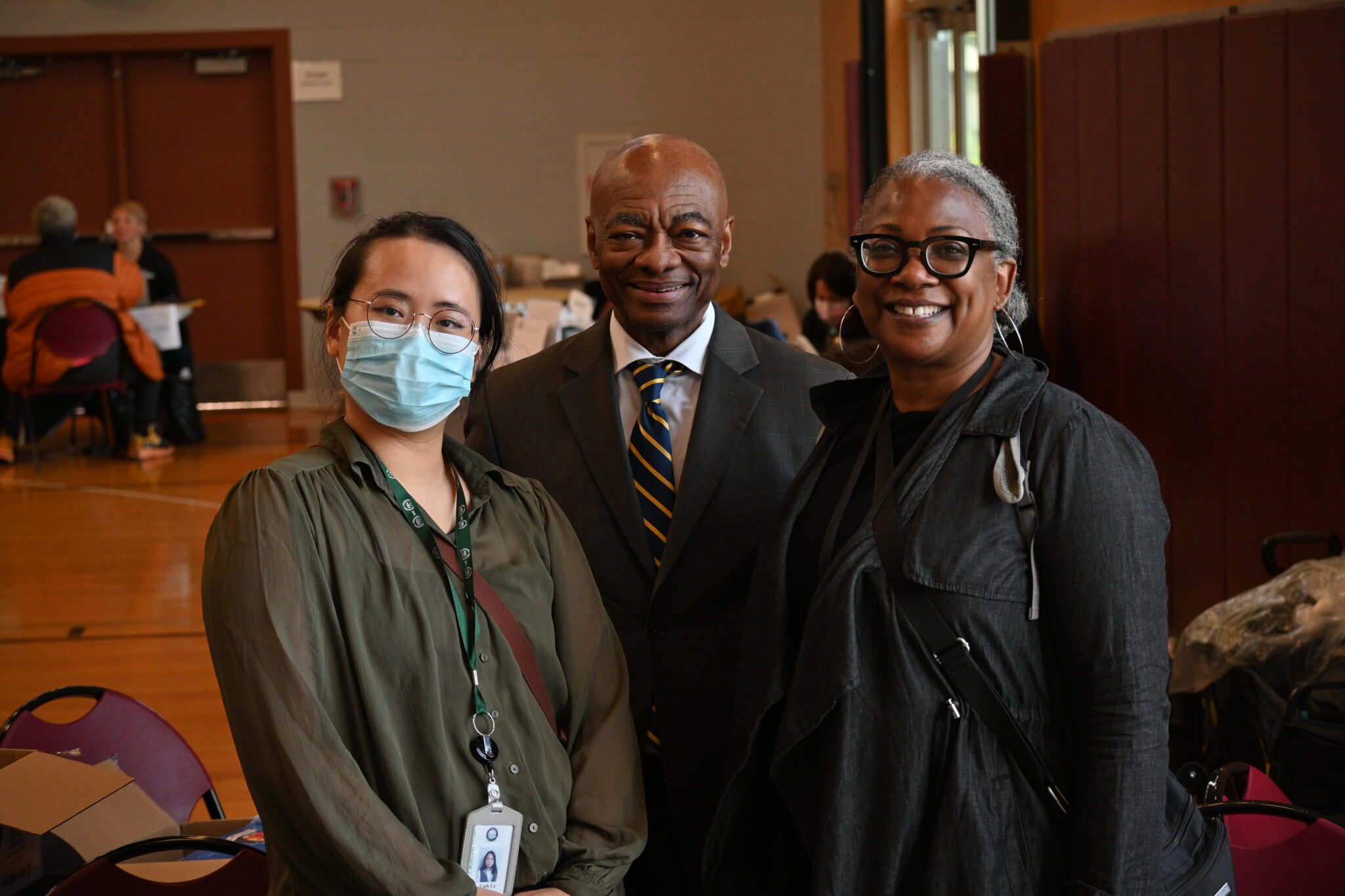
Judge Chess offered a different perspective, shaped by a career that crossed several areas of public service before she became a judge. She reflected on the mentors and professional relationships that opened unexpected doors throughout her career and on the resilience that comes from navigating life’s challenges. Her experiences working with people facing housing instability, unemployment and other hardships reinforced her belief that empathy, accountability and fairness can exist together in the courtroom.
Despite their different experiences, all three judges described a judiciary that has become increasingly collaborative and responsive to the communities it serves. Therapeutic courts, advances in technology and greater emphasis on communication have all changed how judges approach their work while preserving the core principles of fairness and impartiality.
The judges also acknowledged that leadership continues to evolve. Today, leadership means more than applying the law. It includes mentoring colleagues, supporting court staff, embracing innovation and continually learning. Judge Gregory emphasized the importance of judicial wellness and diversity, recognizing that a healthy, inclusive judiciary is better equipped to serve the public. Judge Chess spoke about improving the institution for those who follow, while Judge Chin reflected on the value of learning from fellow judges throughout a career.
Although the work of the court has changed over the years, its mission has remained remarkably consistent. Every generation of judges inherits a commitment to justice while bringing new perspectives, experiences and ideas to the bench.
SMC will continue to evolve, just as it always has. As each new judge takes the bench, they become part of a larger story—one shaped by service, strengthened by change and guided by an enduring commitment to fairness, integrity and public trust.
Editor’s Note: Judges Chin, Chess, and Gregory are retiring from the bench when their current terms end in January 2027. Individual profiles of each judge will appear in blog posts at the end of 2026—stay tuned!
Legal Disclaimer:
EIN Presswire provides this news content "as is" without warranty of any kind. We do not accept any responsibility or liability for the accuracy, content, images, videos, licenses, completeness, legality, or reliability of the information contained in this article. If you have any complaints or copyright issues related to this article, kindly contact the author above.
