
Op-Ed: Targeting Senior Citizens: The Importance of Remaining Vigilant Against Scammers During the Holiday Season
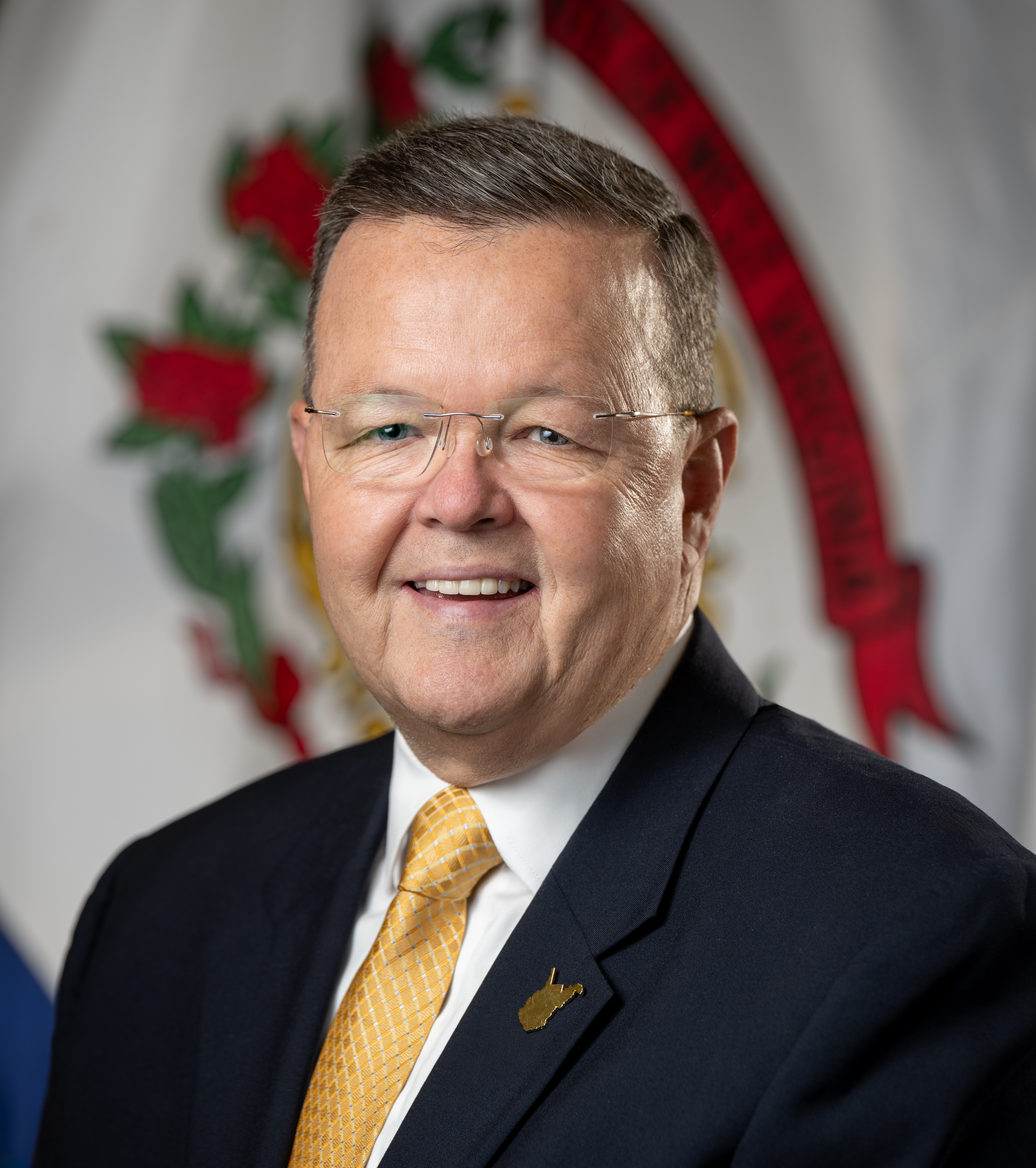
As West Virginia's chief business registration and licensing official, it is the Secretary of State's responsibility to license non-profits and charities that operate and solicit donations in West Virginia. We keep a list of approved charitable organizations and fundraisers readily available on our website at the following link: https://erls.wvsos.gov/OnlineCharitiesSearch/Search
The holiday season is a time of joy, generosity, and togetherness. Families gather, communities celebrate, and people extend kindness to others. Unfortunately, this spirit of goodwill also creates opportunities for scam artists to exploit unsuspecting individuals, especially the elderly. As we proceed through the holidays, it is crucial to remain vigilant against fraud.
Scammers thrive during the holiday season because people are often distracted by festivities, shopping, and travel plans. The rush to buy gifts, donate to charities, and take advantage of seasonal deals makes individuals more susceptible to deception. Fraudsters use emotional appeals, urgency, and the promise of holiday cheer to manipulate victims. For senior citizens, who may be less familiar with modern technology or more trusting of strangers, these tactics can be particularly effective.
Several types of scams surge during the holidays. Charity scams are among the most prevalent, where fraudsters claim to represent legitimate organizations or solicit donations for sympathetic causes like helping children, veterans, or disaster victims. In reality, the money can go straight into the scammer’s pocket.
Online shopping scams also spike during the holidays. Fake websites advertise unbelievable deals on popular items, luring shoppers into providing credit card information. Once payment is made, the goods never arrive. Similarly, gift card scammers convince victims to purchase gift cards as a form of payment for emergencies or services.
Phone scams also remain a major threat. Scammers impersonate family members in distress, claiming they need money immediately. Others pose as government officials, threatening legal action unless payment is made. These schemes exploit fear and urgency, leaving victims feeling pressured and confused.
Older adults often live alone, value politeness, and may not know about modern scams. Many grew up in an era when trust was the norm, making them more likely to be targeted by a convincing caller or email. With many senior citizens having life savings, pensions, or other retirement income streams, scammers see them as valuable targets. The emotional toll of being scammed can be devastating and lead to financial loss, embarrassment, and even depression.
Protecting yourself and loved ones requires awareness and proactive measures. First, verify before you trust. If someone calls claiming to be from a charity or government agency, hang up and contact the organization directly using official contact information. Never provide personal details or payment over the phone to unsolicited callers.
Second, always be cautious online. Shop only on reputable websites and avoid clicking on links in unsolicited emails or social media ads. Look for secure payment options and read reviews before making purchases.
Third, educate senior citizens. Families should talk openly about common scams and encourage our seniors to consult them before sending money or sharing personal information. Simple steps such as installing caller ID, blocking unknown numbers, and using strong passwords on phone and banking accounts can make a big difference.
If you suspect fraud or a charity scam of any type, report it as soon as possible by calling our Investigations Division toll free at 877-FRAUD-WV.
The holiday season should be a time of joy and celebration with those we love. By staying alert and spreading awareness, we can protect ourselves and our loved ones from scam artists who prey on goodwill and vulnerability. Remember, if something sounds too good to be true, it probably is. Let’s make this holiday season safe, secure, and filled with genuine generosity; not fraud.
Legal Disclaimer:
EIN Presswire provides this news content "as is" without warranty of any kind. We do not accept any responsibility or liability for the accuracy, content, images, videos, licenses, completeness, legality, or reliability of the information contained in this article. If you have any complaints or copyright issues related to this article, kindly contact the author above.
