
Wright Scoop Spotlights Plants
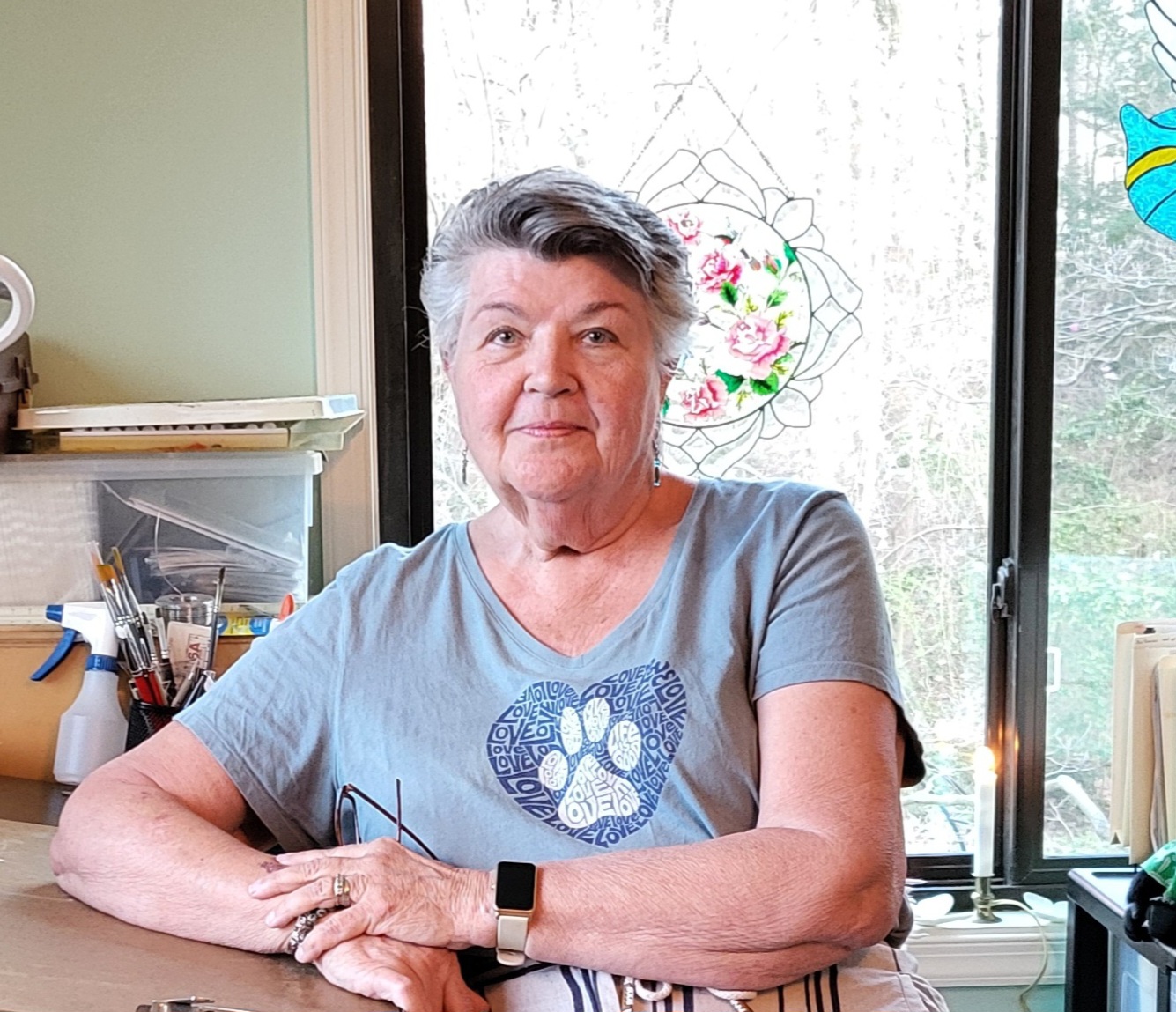
author, artist, wordsmith
Dog Rose and Feverfew
GLEN ALLEN, VA, UNITED STATES, April 22, 2026 /EINPresswire.com/ -- Sylvia Hoehns Wright spotlights heritage plants, dog rose and feverfew as plants of CARE. Why?In celebration of America's 250th anniversaty, Wright and her Central VA Botanical Art colleagues are hosting an exhibit that features plants from 250 years ago that are still with us today.
Partnering with Henrico County VA Tuckahoe Library, a “Botanical Art Expo” is held July 9th, from 2-4 p.m.. Wright and her colleagues will be demonstrating, discussing their art, and staging hands-on activities for kids of all ages. An exhibit remains on sight, available for public view during the months of July, August 2026.
From an ecological perspective, Wright decided to recommend heritage plants, dog rose and feverfew as Plants of CARE.
The dog rose (Rosa canina) is a vigorous, thorny, deciduous shrub native to Europe, Asia, and North Africa, known for its scrambling growth, fragrant white to pink flowers in summer, and vitamin C-rich red rose hips in autumn. It's a valuable plant for wildlife, providing food and shelter, and its hips are used for teas and jams. It's historical name comes from a belief that its roots are a cure for rabies.
Feverfew (Tanacetum parthenium) is a daisy-like flowering plant in the Asteraceae family, known for its lacy foliage and small white flowers, used medicinally, primarily for migraine headaches, due to its active compound parthenolide. Native to Eurasia, it's grown as an ornamental and herb, thriving in full sun and well-drained soil, and can be propagated from seed or seedlings. While effective for reducing migraine frequency, it's important to note potential skin irritation and contraindications for pregnant women or those allergic to daisies.
Plants of CARE, a Plant Recognition Program
During year 2025, Wright’s plants of CARE program spoghtlighted Eastern redbud Cercis canadensis, Native azalea Rhododendron periclymenoides (Michx.) Shinner and Basswood tree also known as linden. To close out year 2025, Wright recommended Camellia.
Wright’s advocacy challenges all to reduce their carbon footprint as well as feed their families pesticide-free produce. “For,” says Wright, “any style landscape should not simply reflect traditional design concepts but be a result of the right plant, installed in the right place at the right (optimal) planting season—creating a legacy of green, healthier urban suburban communities.”
As a hands-on landscape gardener, Wright has participate in nationwide as well as regional plant testing, gaining familiarity with programs such as the “Southern Living Plant Collection,” “Proven Winners,” “Plants That Work” and many more. While such plants have proven to enable landscape gardens, a plant of CARE is spotlighted for its ability to inspire people to CARE—have a perspective of conservation, advocacy, recovery and eco-efficiency.
About The Wright Scoop – Sylvia Hoehns Wright
A graduate of the Virginia Natural Resource Leadership Institute program and recipient of “Turning America from Eco-weak to Eco-chic” award, Sylvia Hoehns Wright urges all to keep America's landscape beautiful, become people who CARE.
To inspire others, Wright offers one-on-one consulting, speeches and workshops and has published a series of eco-books.For details, visit thewrightscoop.com, email syhwright@gmail.com or follow her activities on social media through Facebook group The Wright Scoop or @WrightScoop on Twitter/X.
Sylvia Hoehns Wright
+1 804-347-9464
syhwright@gmail.com
The Wright Scoop
Legal Disclaimer:
EIN Presswire provides this news content "as is" without warranty of any kind. We do not accept any responsibility or liability for the accuracy, content, images, videos, licenses, completeness, legality, or reliability of the information contained in this article. If you have any complaints or copyright issues related to this article, kindly contact the author above.
