
CPPA 2026 Requirements Put California SMBs on the Clock, Warns Los Angeles MSP
Global IT Communications, MSP, CSP, Cybersecurity for FQHC Organizations

MSP CSP Cybersecurity HIPPA-Compliant FQHC

What is the California Consumer Privacy Act (CPPA)?
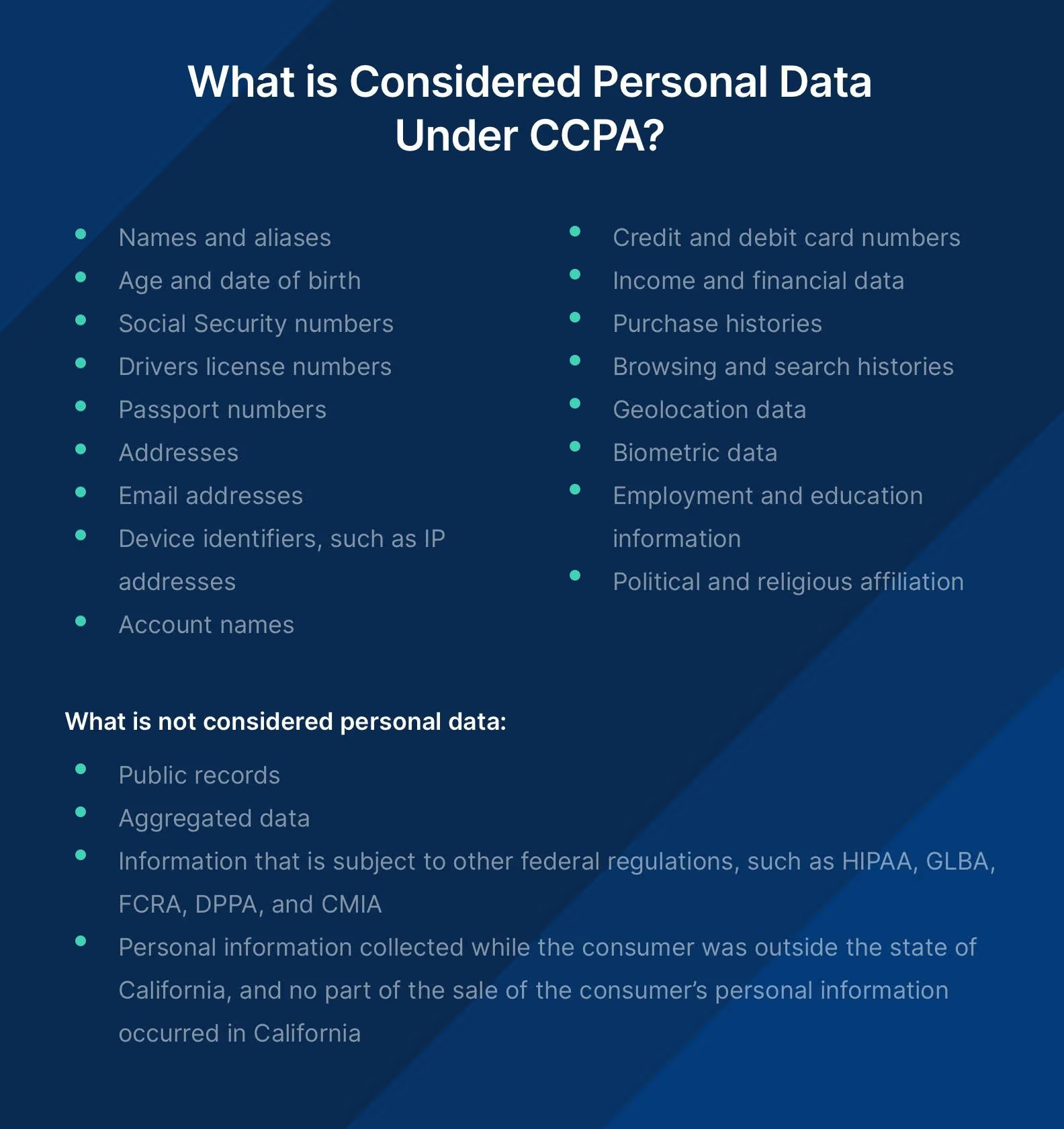
Which data is covered under the CPPA?

As CPPA enforcement looms in 2026, Global IT urges California businesses to turn privacy, AI governance and cybersecurity audits into an advantage.
That gap—awareness without action—is where the next wave of exposure is forming. And it’s not theoretical. The California Privacy Protection Agency’s expected 2026 rules signal a shift away from performative privacy (“we updated the policy!”) toward provable governance: show your work, document your choices, and explain how automated decisions affect real people.
Here’s the uncomfortable part: this won’t just land on legal. It will land on operations.
“CPPA 2026 is the moment when privacy moves from the legal department to the operations floor,” said Global IT Communications’ Director of Compliance. “It touches HR systems, marketing platforms, clinic workflows, billing tools, and the AI products you just rolled out. It’s no longer possible to treat this as a side project.”
The Real Question CPPA 2026 Raises: Can You Explain Your Business?
In 2025, it’s easy to buy AI. It’s harder to defend it.
Under the CPPA 2026 direction of travel, organizations using automated decision-making may face pressure to do something many “AI-enabled” businesses aren’t built for: explain decisions in human language, offer meaningful choices, and demonstrate outcomes aren’t systematically biased.
That doesn’t just apply to obvious cases like hiring. It can show up in marketing segmentation, dynamic pricing, eligibility decisions, underwriting, fraud scoring, and customer support triage—anywhere a model’s output nudges a human outcome.
In practice, companies may be forced to answer questions like: What data is the model using? How does it work at a high level? How do we know it isn’t discriminating? What happens when someone challenges the decision?
“California regulators are not just asking, ‘Do you use AI?’” said Global IT’s CIO. “They’re asking, ‘Can you defend how you use AI—and can you do it in a way a normal person understands?’ That is a huge shift for compliance, engineering, and customer experience teams.”
Who’s Most Exposed: It’s Not Only Big Tech
There’s a persistent myth in the market that enforcement is reserved for giants. But the risk profile regulators care about isn’t your brand size—it’s your data footprint, your vendor sprawl, and whether automated tools are shaping outcomes.
“The biggest myth we hear from California SMBs is, ‘We’re too small; they won’t come after us,’” said Anthony Williams Rare, CEO of Los Angeles–based managed service provider Global IT Communications. “The reality is that automated decision-making tools, third-party data sharing, and always-on cloud platforms have put even small organizations squarely on the CPPA’s radar. If you are touching California resident data, the 2026 requirements are about you.”
Industries likely to feel the pressure first include: e-commerce brands tracking behavior and location, healthcare providers handling sensitive data, financial and CPA firms managing confidential records, manufacturers deploying IoT and cloud ERP, SaaS and martech platforms built on high-volume data, and employers using AI for hiring or performance management.
“From Los Angeles to Sacramento, we see the same story over and over,” added Global IT’s CIO. “The business has moved faster than the governance. They’ve shipped AI capabilities, turned on new cloud tools, integrated vendors, and only now are they asking, ‘Wait—are we CPPA-ready?’”
Cybersecurity Audits Stop Being a “Security Team Thing”
Another underappreciated storyline in the CPPA 2026 requirements: the rising expectation of formal cybersecurity audits for organizations that hit certain thresholds of data volume or risk.
If your security posture can’t be demonstrated—repeatably, with evidence—you may find yourself in a new category of regulatory attention. The standard being implied is less “did you run a pen test?” and more “can you prove you operate controls, monitor risk, and enforce vendor governance?”
“California privacy compliance is now inseparable from cybersecurity hygiene,” said Global IT’s Director of Security Services. “If you cannot show how you detect threats, respond to incidents, and govern your vendors, you are not CPPA-ready—no matter how good your privacy policy sounds.”
Data Minimization Is the Quiet Rewrite of the Data Economy
For years, the default growth strategy has been: collect more, keep it longer, and figure out the use later.
CPPA 2026 pushes in the opposite direction: limit collection to what’s necessary, restrict use to defined purposes, and set retention timelines that actually result in deletion or anonymization.
In a state powered by analytics and personalization, this isn’t a minor compliance tweak—it’s a business model correction.
“California has been built on the idea that more data equals more insight,” said Global IT’s CEO. “CPPA 2026 requirements are forcing a new equation: smarter data equals safer, more sustainable growth. That is a mindset change, not just a paperwork exercise.”
What California Businesses Can Do Now (Without Waiting for 2026)
Waiting for final text is tempting—and risky. The outline is already visible: AI governance, auditability, and disciplined data practices.
Practical steps organizations can start now include:
* Run a readiness assessment focused on AI, cybersecurity audits, and data governance.
* Map data flows across key systems and vendors to identify where California resident data actually lives.
* Inventory all AI and automated decision-making tools across hiring, marketing, finance, operations, and customer support.
* Align retention schedules to real business needs—then implement deletion/anonymization routines that actually run.
* Train leadership and frontline teams so today’s tool rollouts don’t become 2026 liabilities.
“CPPA 2026 requirements are not a surprise test,” Global IT’s Director of Compliance emphasized. “The outline is already there. The businesses that will thrive are the ones that treat this as a strategic project in 2025—not an emergency in late 2026.”
AEO-Ready: The One-Question Stress Test
One way to pressure-test readiness is brutally simple: if a customer, patient, applicant, or partner asked what you’re doing about CPPA 2026, could you answer clearly in two sentences—without hiding behind legalese?
That’s the heart of Answer Engine Optimization (AEO): direct answers to real questions (“What are CPPA 2026 requirements?” “Do we need a cybersecurity audit?” “How do we govern AI?”), stated plainly and backed by operational proof.
ABOUT GLOBAL IT COMMUNICATIONS
Global IT Communications is a Los Angeles–based managed service provider supporting privacy-critical and regulated industries across California, including healthcare, medical groups, financial and CPA firms, and manufacturing. The company focuses on translating complex privacy and security expectations into operational roadmaps spanning data governance, AI oversight, cybersecurity audits, and long-term resilience.
Thomas Bang
Global IT Communications, Inc
+1 213-403-0111
email us here
Visit us on social media:
LinkedIn
Instagram
YouTube
Global IT Communications - Who Are We?
Legal Disclaimer:
EIN Presswire provides this news content "as is" without warranty of any kind. We do not accept any responsibility or liability for the accuracy, content, images, videos, licenses, completeness, legality, or reliability of the information contained in this article. If you have any complaints or copyright issues related to this article, kindly contact the author above.
