
NordSpace Launches Space Systems Lab with Dual-Use Demo Satellite for SDA, Wildfires, Arctic Launching 2026 with SpaceX
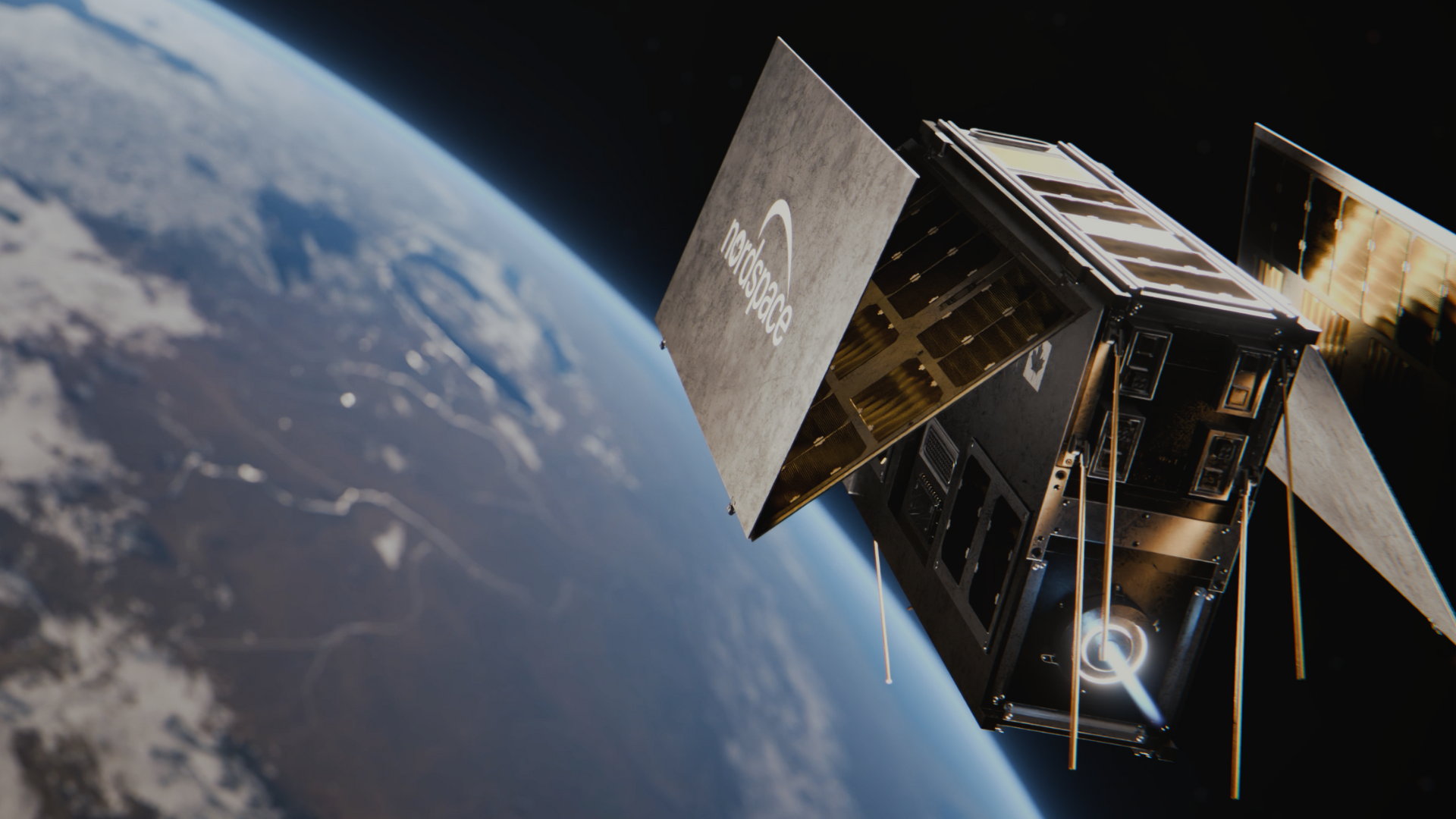
NordSpace's First Satellite - Terra Nova
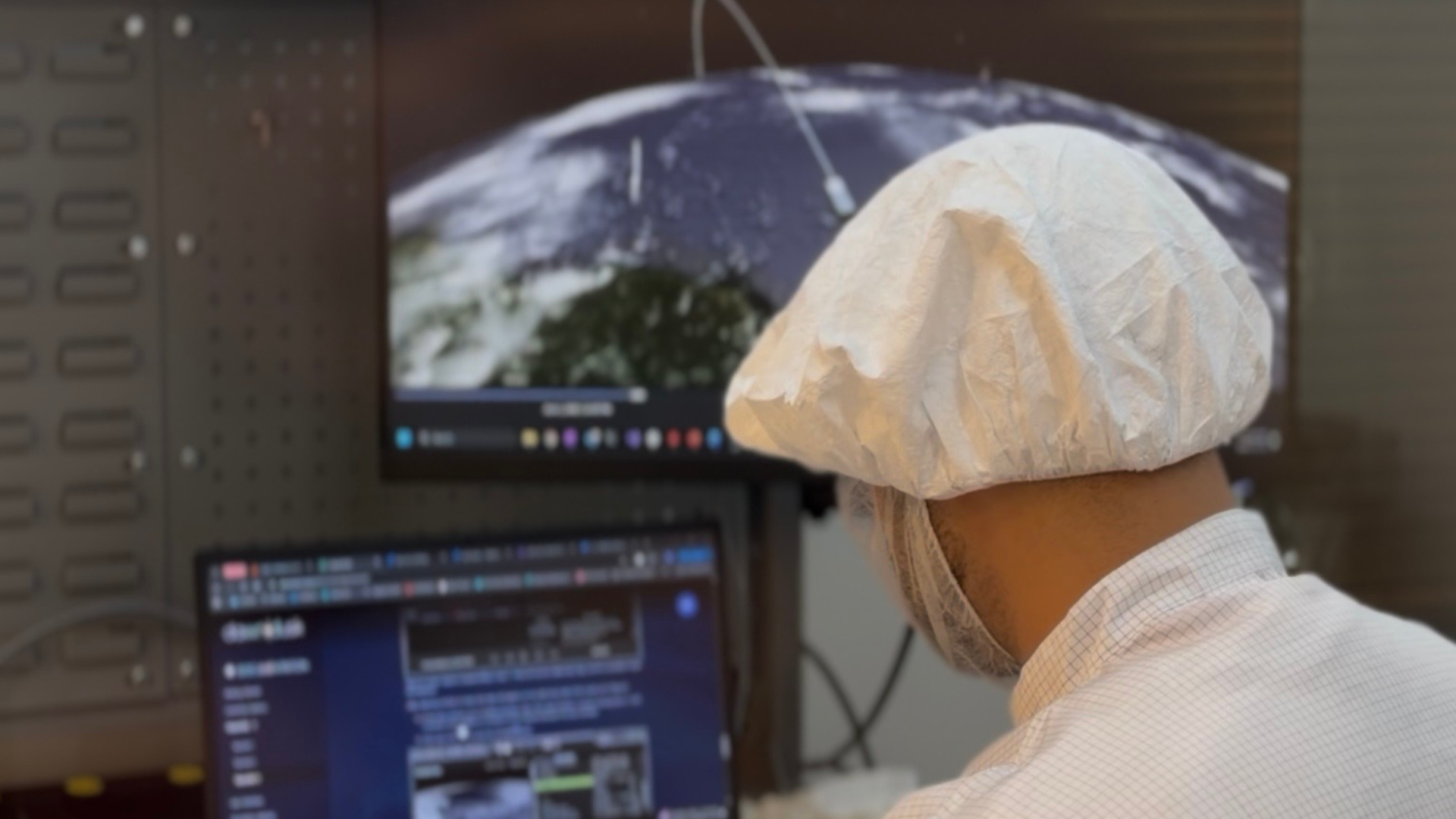
NordSpace Satellite Engineer Working in Clean Room
A significant step in NordSpace's vision of creating an end-to-end space missions company that spans rockets, spacecraft, spaceport, and data services.
Terra Nova is the first commercial satellite designed, engineered, integrated, tested, and fully financed by NordSpace at its facilities in Markham. It represents a significant step in the company’s long-term vision of creating a vertically integrated end-to-end space missions company that spans rockets, spacecraft, propulsion, spaceport infrastructure, and data services. The new lab consists of in-house test facilities such as a thermal vacuum chamber, vibration table, ISO5 clean room and more, and is led by several engineers with previous experiences building space systems at MDA Space, NASA's Jet Propulsion Laboratory (JPL), and the Space Flight Laboratory (SFL). The lab will be capable of producing one small satellite per month.
Terra Nova departs from the traditional model of remote sensing satellites that primarily collect raw imagery for later processing. Instead, it is designed to analyze data directly in orbit. The spacecraft hosts an NVIDIA processor running artificial intelligence models trained using synthetic images generated through NordSpace’s proprietary simulation environment. This approach supports the company’s Chronos imaging system and enables the detection of objects and environmental changes that typically remain obscured when using conventional imaging techniques.
The spacecraft’s onboard autonomy will allow it to test artificial intelligence algorithms that detect non-emitting objects in space for space domain awareness (SDA), dark vessels or aircraft operating in and over Canada’s Arctic, and early physical signatures of developing wildfires. These capabilities reflect emerging needs across national security, civil protection, and commercial operations, where faster awareness and reduced latency are becoming essential.
The mission also incorporates Zephyr-EP, an electric propulsion demonstrator designed and manufactured by NordSpace. This system provides Terra Nova with fine-grained maneuverability and serves as NordSpace’s first operational demonstration of in-space propulsion. NordSpace plans to significantly expand its lineup of in-space electric propulsion capabilities over the years ahead and bring them to market.
The creation of the Space Systems Lab reflects NordSpace’s long-term strategy to evolve into a comprehensive space missions provider capable of supporting customers from initial mission design through launch, operations, and data delivery. As the global space industry shifts toward rapid deployment, short development cycles, and vertically integrated services, spacecraft development has become essential to complement traditional launch activities.
Developing satellite capabilities allows NordSpace to diversify its business into areas that are strengthened by launch but not dependent on it. By designing and flying its own spacecraft, the company gains direct operational experience in orbital environments, accelerates technology maturation, and deepens its understanding of how satellites behave under real conditions. This knowledge feeds directly back into its launch vehicle programs, improving vehicle design through dual-use hardware, mission assurance and operational experience, and customer support for users of upcoming orbital launch services.
The combination of launch services, satellite design, and operational expertise positions NordSpace to offer integrated solutions to customers who increasingly prefer end-to-end mission architectures rather than fragmented service contracts. Terra Nova is therefore not only a demonstration mission; it is a foundational step in transforming NordSpace into a full-spectrum space missions company. Terra Nova and other technology demonstrator satellites are intended to serve as pathfinders for a planned constellation of satellites that would operate from Canadian soil.
“Our Space Systems Lab and Terra Nova represent a deliberate and necessary expansion of our capabilities which we have been working on for well over a year,” said Rahul Goel, Chief Executive Officer of NordSpace. “Building spacecraft in parallel with our launch vehicles ensures that we can support customers throughout the entire mission lifecycle while developing real in-space expertise and new business growth opportunities. The most successful space launch companies, ranging from SpaceX to Rocket Lab, distinctly invest in and develop space systems capabilities and private infrastructure, enhanced by their launch capabilities. For the same reason, the end-to-end nature of NordSpace's mission is a strategic imperative, and we are just getting started.”
“Operating our own hardware in orbit is the fastest way to mature technology and understand the demands placed on modern spacecraft,” said Hooman Tahmasebipour, Sr. Space Systems Engineer. “The insights we gain from Terra Nova will flow directly into everything from future satellites to our orbital rockets.”
About NordSpace
NordSpace, established in 2022, develops vertically integrated solutions for responsive orbital launch vehicles, spaceports, turn-key satellites, and mission-critical software systems. 100% designed, built, and flown in Canada to go from anywhere on Earth to anywhere in space. The company’s mission is to advance life on Earth through space, delivering innovation, jobs, national security, and sovereignty.
Team NordSpace
NordSpace Corp.
contact@nordspace.com
Visit us on social media:
LinkedIn
Instagram
YouTube
X
NordSpace - Launching our Space Systems Lab (SSL) & Terra Nova Pathfinder Satellite
Legal Disclaimer:
EIN Presswire provides this news content "as is" without warranty of any kind. We do not accept any responsibility or liability for the accuracy, content, images, videos, licenses, completeness, legality, or reliability of the information contained in this article. If you have any complaints or copyright issues related to this article, kindly contact the author above.
