
How to Protect the Legacy of a California Home
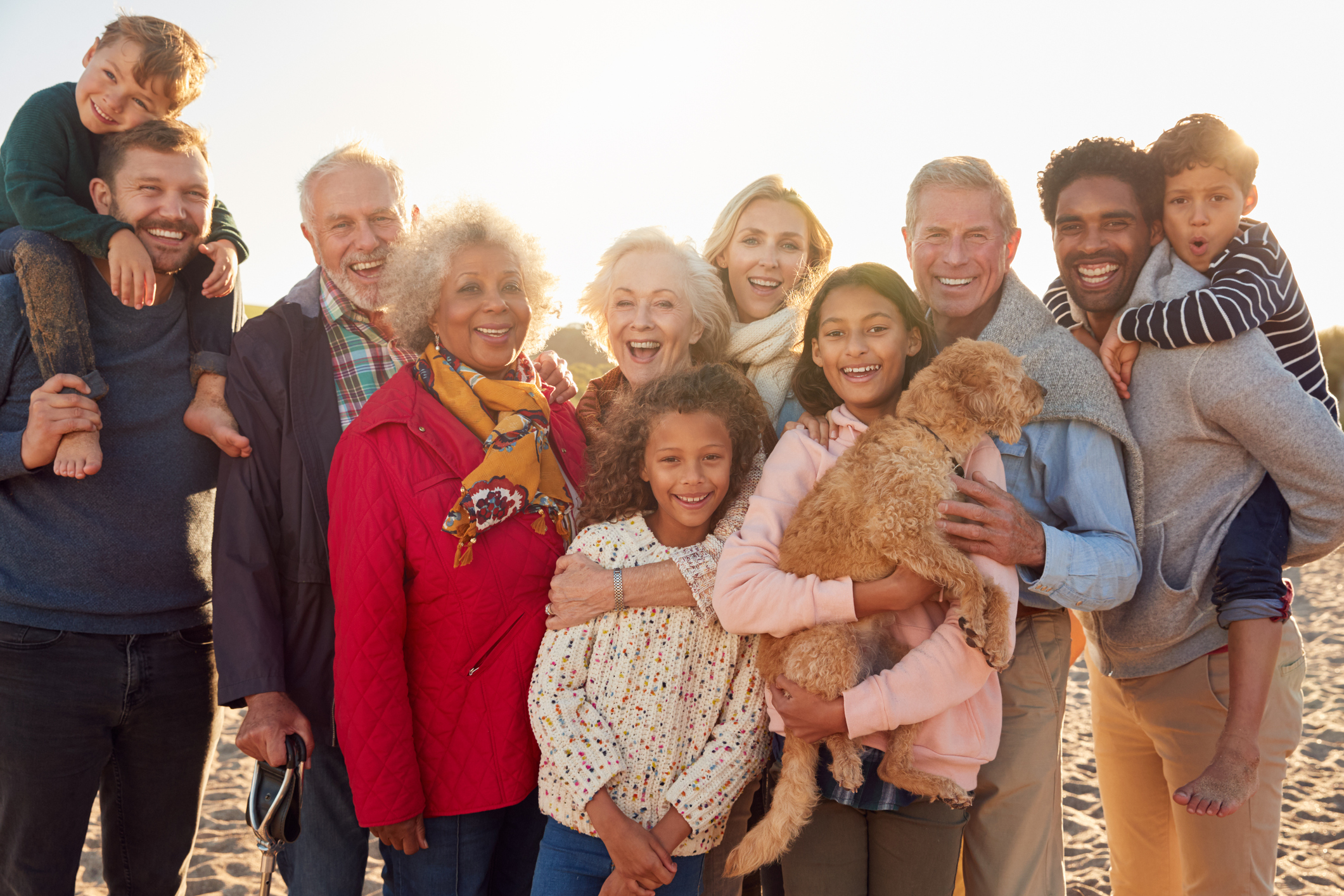
Inter-generational wealth transfers.
How to own real property in California at first seems straightforward. And it is until an owner dies. These are the options to own.
HUNTINGTON BEACH, CA, 92649, February 29, 2024 /EINPresswire.com/ -- A California home is a legacy; protect it. In California, there are several ways to take title to a home. Who inherits is determined by the title in the deed. Make sure the title is correct. If the title is not correct, it is corrected by deed. How it is owned and the consequences of who inherits and how they inherit are as follows. These are the most common ways to own California real property.Sole Ownership is when a single individual owns the property alone. It's the simplest form of ownership and gives the owner complete control over the property. But on the death of the owner, ownership transfers through probate court. Who will inherit is either identified in the owner's will or, if no will, by California law that determines who is the next of kin.
Revocable Transfer on Death Deed is an alternative to owning for the sole owner. The sole owner has a deed prepared, but this deed does not change owners. Instead, it names persons to inherit on the death of the owner. The major drawback is that it is hard for the heirs to obtain title insurance for a period of three years after death. Another problem is the deed is recorded with the county and becomes part of the public record, available for all to see.
Joint Tenancy is when two or more individuals own the property together with equal rights to the property (joint tenants). If one owner dies, their share of the property automatically transfers to the surviving owner without going through probate. But probate is not avoided on the death of the surviving owner, and title transfers are the same as sole ownership (by will or by California law).
Tenancy in Common is when two or more individuals own the property together, but unlike joint tenancy, they may have unequal shares. When an owner dies, their share of the property passes to their heirs through probate. Who inherits is determined by will or by California law.
Community Property with the Right of Survivorship is similar to joint tenancy but is only for married couples and registered domestic partners. This title has the added benefit that when one spouse dies, the survivor receives a step-up in basis. This step-up can substantially reduce capital gains tax if the survivor sells the home. But probate and who inherits is once again a problem on the death of the survivor.
Transferring a home into a trust avoids probate and determines who inherits the house. Trusts can defer distribution in the case of minors, have contingency heirs, and are cost-effective. It is vital that the trust owns the home by deed from the owners to the owners' trust. Another problem of trust is its complexity.
How to own real property in California at first seems straightforward. And it is until an owner dies. Sole owners and tenants in common transfer through probate. Joint tenants and married couples owning as community property with the right of survivorship defer probate on the first owner's death. But on the death of a survivor, probate is required. The only options that avoid probate completely are revocable transfer on death deeds and trusts.
We provide the services to avoid probate of California homes. To do this, we prepare deeds to add a spouse, revocable transfer on death deeds, and trusts. For specific answers for your particular situation, call 714-846-2888 or email Mark@DeedAndRecord.com. Website is DeedAndRecord.com
Mark Bidwell
Deed and Record
+1 714-846-2888
Mark@DeedandRecord.com
Legal Disclaimer:
EIN Presswire provides this news content "as is" without warranty of any kind. We do not accept any responsibility or liability for the accuracy, content, images, videos, licenses, completeness, legality, or reliability of the information contained in this article. If you have any complaints or copyright issues related to this article, kindly contact the author above.
