
Vietnam is currently facing energy issues, seeks solutions
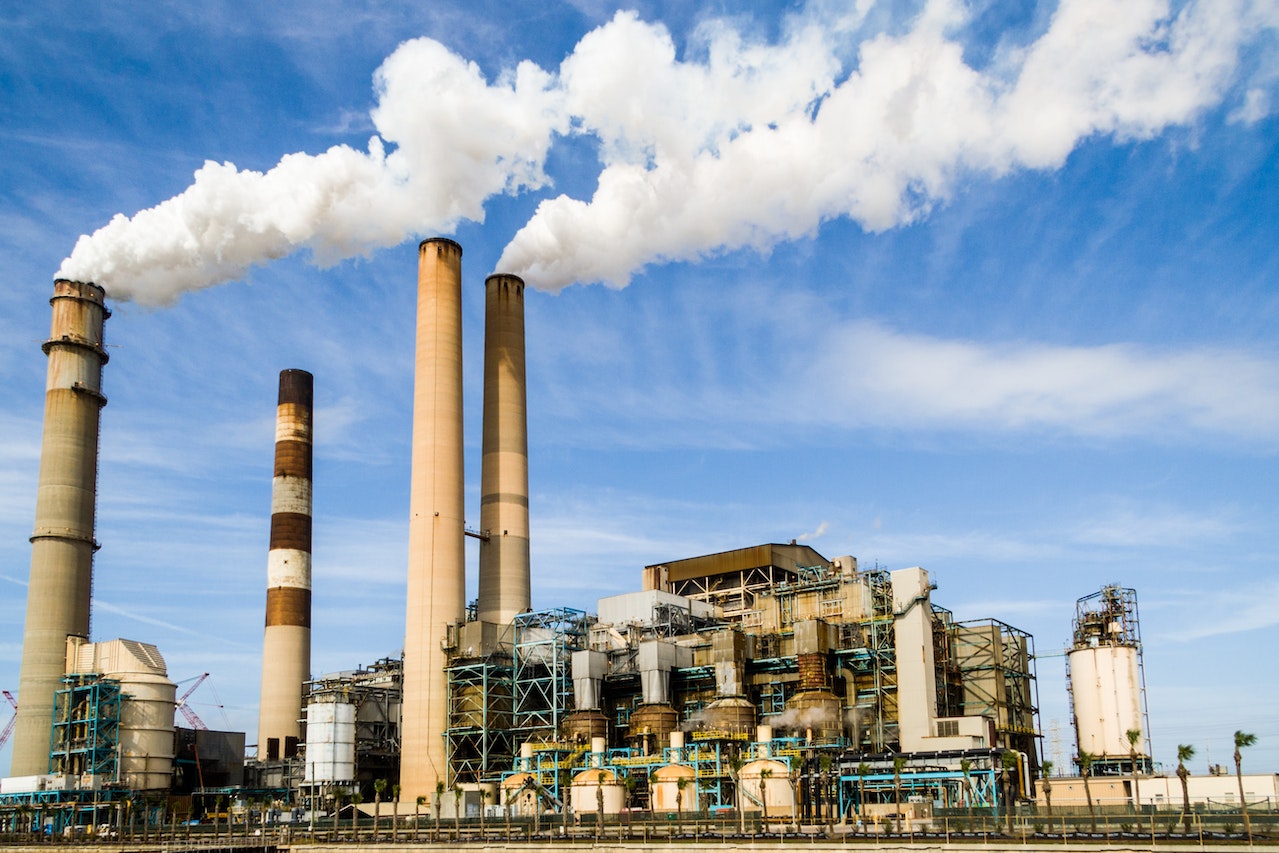
Energy issues in Vietnam
Vietnam is currently facing energy issues, seeks solutions
UNITED STATES, July 18, 2023/EINPresswire.com/ -- Vietnam has emerged as a prime manufacturing hotspot for international businesses who wish to establish their presence in Southeast Asia. However, Vietnam is currently facing an energy crisis which is caused by a combination of a record-breaking heat wave, unprecedented drought, and increasing demand for electricity.To ensure uninterrupted production and timely delivery of goods, stable and consistent energy supply is of paramount importance for businesses when considering manufacturing location choices. However, the energy crisis in Vietnam has the potential to disrupt manufacturing operations and jeopardize the reliability of the global supply chain, thus putting the country's ability to maintain its position as an attractive and reliable manufacturing destination for international businesses at risk.
Just like Vietnam, Taiwan also has many manufacturing plants set up by international businesses. Since Taiwan is known as one of the leaders in high-tech production, its advanced manufacturing processes consume substantial amounts of electricity – in fact, the manufacturing sector is the biggest contributor to energy consumption in Taiwan. These facts have made energy stability a critical test for Taiwan's manufacturing sector. With Vietnam currently facing an energy crisis, this has become a wake-up call for Taiwan to review and adjust its energy policy, to prevent an energy crisis which can also be catastrophic for Taiwan, its manufacturing sector, and the global supply chain.
The energy stability concerns shared by both Vietnam and Taiwan emphasize the need for international businesses to commit to energy transition and use renewable energy sources. Recently, more and more businesses have joined RE100, which is a global initiative for businesses to commit to using 100% renewable electricity. The Taiwanese government has set up a plan on energy transition and energy stability, which aims 20% of its energy to be generated from renewable sources by 2025, up from 5% in 2020. The plan aims for less coal, more natural gas, increased renewables, and no nuclear power.
Despite the plan being complete, the Taiwan government has been criticized for its slow implementation of the plan. Meanwhile, businesses have proposed the construction of a new natural gas-powered plant to generate power for an industrial park in southern Taiwan, which has gained controversy among locals and legislators due to concerns regarding the amount of pollution created. This has greatly impacted the schedule for energy transition in Taiwan.
Experts believe that based on international energy development trends, using natural gas to produce electricity produces a comparatively lower amount of pollution than that of coal since it burns cleaner than coal; however, the importance of using natural gas to produce electricity is declining – natural gas is still a fossil fuel, and it still generates carbon emissions when burned. Furthermore, like other fossil fuels, supply of natural gas is finite and can run out one day. Therefore, it is crucial to conduct a thorough analysis of Taiwan's power generation sources in order to reach the carbon-neutral target by 2050.
Jared Liang
ChoozMo inc.
+886 927 192 112
email us here
Visit us on social media:
LinkedIn
YouTube
Other
Legal Disclaimer:
EIN Presswire provides this news content "as is" without warranty of any kind. We do not accept any responsibility or liability for the accuracy, content, images, videos, licenses, completeness, legality, or reliability of the information contained in this article. If you have any complaints or copyright issues related to this article, kindly contact the author above.
