
As World Wetlands Day Approaches, It's Time to Draw Attention to These Under-Recognized Yet Crucial EcoSystems
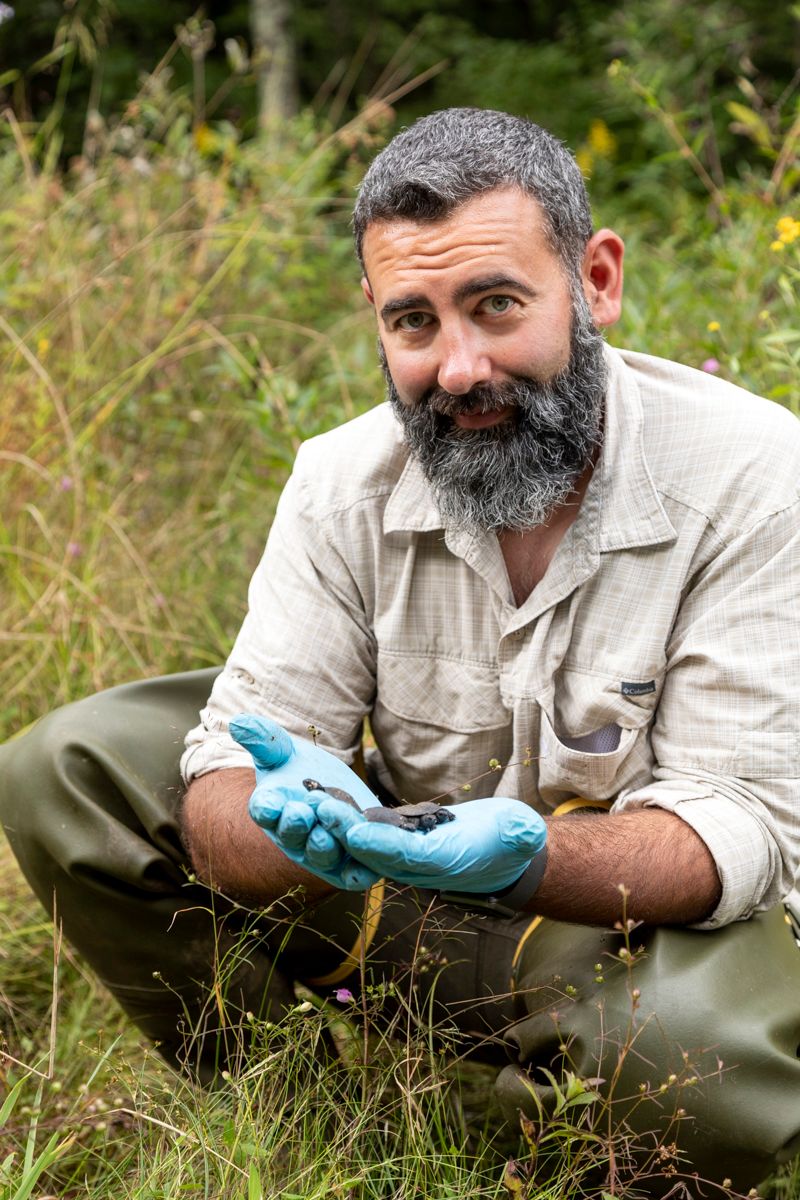
The Amphibian and Reptile Conservancy (ARC), a national nonprofit to conserve imperiled wildlife, is focused on its plans to protect and restore wetlands throughout the U.S.

At Francis Marion PARCA in South Carolina. Here, ARC has restored and protected wetlands for two vulnerable species: the frosted flatwoods salamander (federally-listed threatened species) and the gopher frog (state-listed endangered species)

Amphibian and Reptile Conservancy, or ARC, is a 501(c)(3) nonprofit focused on identifying and conserving the highest priority places for amphibians and reptiles in the United States.
US wetlands are being degraded at alarming rates; 1/3 of federally threatened species live in wetlands; 40% of amphibian species that rely on wetlands at risk.
UNITED STATES, January 27, 2023 /EINPresswire.com/ -- Media Kit and Background Information
Images and Logos
PROTECTION AND RESTORATION OF WETLANDS ACROSS THE UNITED STATES ON WORLD WETLANDS DAY AND EVERY DAY
National Wildlife Conservation Nonprofit Focuses on Wetlands Restoration to Protect Imperiled Species
As World Wetlands Day approaches on February 2, 2023, the Amphibian and Reptile Conservancy (ARC), a national nonprofit to conserve imperiled wildlife, is focused on its plans to protect and restore wetlands throughout the U.S.
In the U.S., more than one-third of federally threatened or endangered species live solely in wetlands, and many more depend on wetlands for some stages of their lives. Established in 2021 by the U.N. General Assembly to raise awareness about these ecosystems, World Wetlands Day calls attention to these under-recognized yet critically important areas for both humans and wildlife.
"While the eyes of the world are often directed to forests, especially rainforests, when considering habitat loss, we're losing another crucial ecosystem even faster," said ARC's Executive Director, Dr. JJ Apodaca. Since the 1700s, about 90% of wetlands worldwide have been degraded. Over the past 200 years, approximately 60 acres of wetlands have been drained every hour in the U.S. That means we've lost wetlands equal to an area roughly the size of California during this time.
Apodaca explained that "at ARC, the conservation and restoration of wetlands are central to our mission to protect imperiled wildlife, namely amphibians and reptiles. Amphibians, which rely heavily on wetlands, are the most threatened group of animals in the world, with more than 40% of all species in danger of extinction."
ARC at Work Protecting U.S. Wetlands
By employing a place-based national strategy implemented at a local level, ARC is actively taking steps to carry out impactful, on-the-ground conservation actions for amphibians and reptiles. Its efforts focus on establishing Priority Amphibian and Reptile Conservation Areas (PARCAs) throughout the U.S.
To date, ARC has designated 317 PARCAs spanning 24 U.S. states, with eight more states in progress. Many PARCAs include degraded wetlands or areas that were historically wetlands. ARC's focus is to restore those seasonal and year-round pools, marshes, bogs, and other watery habitats upon which countless wildlife and plant species depend.
One such program is the Francis Marion PARCA in South Carolina. Here, ARC has restored and protected wetlands for two vulnerable species: the frosted flatwoods salamander (federally-listed threatened species) and the gopher frog (state-listed endangered species), along with many other at-risk species. These important wetland habitats have been degraded and lost over time due to unsustainable forestry practices, wetland draining, and invasive species. ARC is working hard to restore the natural conditions that these imperiled species need to survive and thrive.
In 2023, ARC will conduct on-the-ground conservation and restoration work in 22 of their designated PARCAs across 11 states. For example, in the Gila PARCA in New Mexico, ARC is working to protect and restore aquatic habitats, including ponds, springs, and streams, for the Chiricahua leopard frog (federally-listed threatened species). Habitat loss, invasive species, and drought put it at risk for extinction.
These stressors have also greatly affected narrow-headed garter snakes and northern Mexican garter snakes, both also water-dependent, federally-listed threatened species that ARC is working to protect. Wetland restoration in this PARCA will also support a wide range of other species that depend on clean water, including the Apache trout, Gila trout, Gila Mountain sucker, loach minnow, Gila chub, Gila topminnow, and spikedace.
"The significance of this work cannot be overstated. When compared to other ecosystem types, wetlands are disproportionately important, not only for biodiversity but also for humans," said Apodaca. “They provide invaluable services to people, including carbon sequestration, water quality improvement, flood protection, erosion control, recreation, and a whole host of natural products.”
About Amphibian and Reptile Conservancy (ARC)
Amphibian and Reptile Conservancy, or ARC, is a 501(c)(3) nonprofit focused on identifying and conserving the highest priority places for amphibians and reptiles in the United States. We protect endangered amphibians and reptiles through a strategic, scientific, and passionate approach. We believe the conservation of amphibians, reptiles, and the habitats they depend on is vitally important. To learn more, visit ARCProtects.org.
###
Media Contact:
Stephanie Haan-Amato
Communications Director
(575) 652-6957 | shaanamato@ARCProtects.org
Rosalie M. Martin
Blue Whale Public Relations
+1 954-683-0027
email us here
Visit us on social media:
Facebook
Twitter
Instagram
YouTube
ARC: Protecting What We Love
Legal Disclaimer:
EIN Presswire provides this news content "as is" without warranty of any kind. We do not accept any responsibility or liability for the accuracy, content, images, videos, licenses, completeness, legality, or reliability of the information contained in this article. If you have any complaints or copyright issues related to this article, kindly contact the author above.
