
Certified Phage Research in Braunschweig

Dr. Christine Rohde
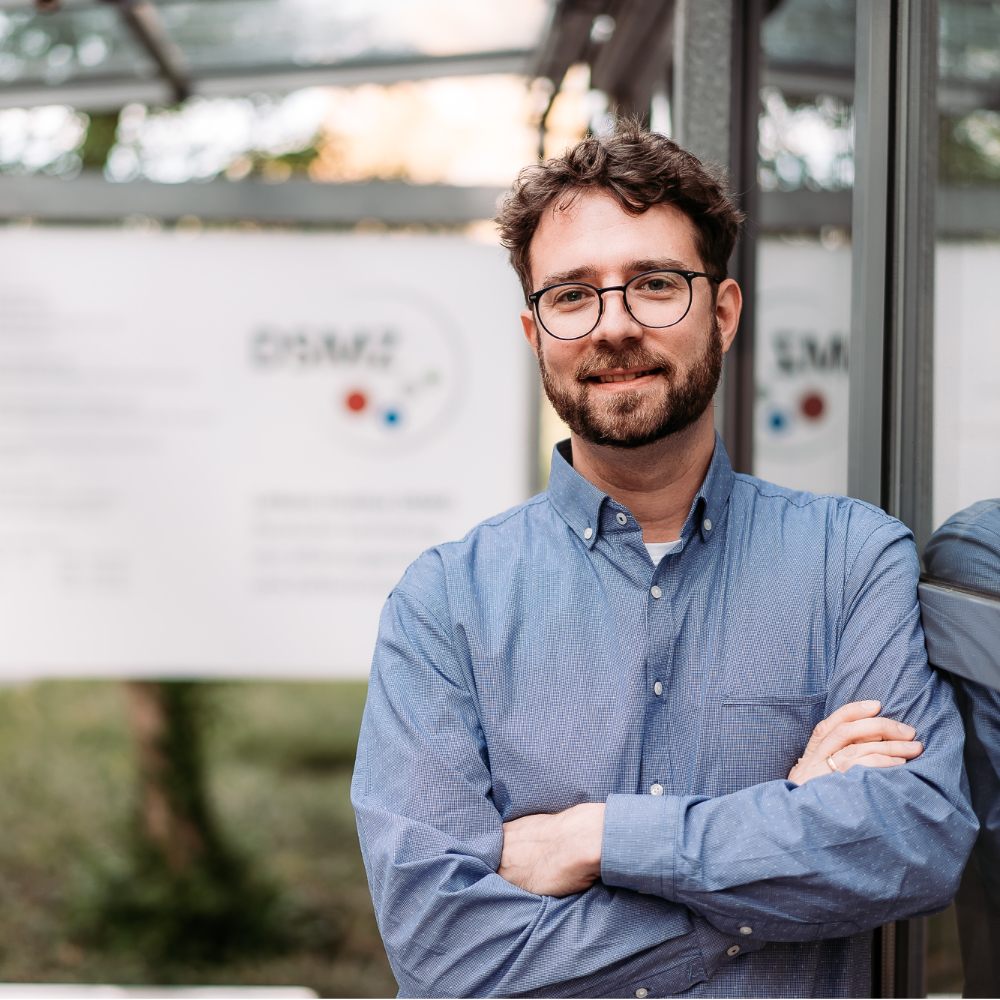
Johannes Wittmann
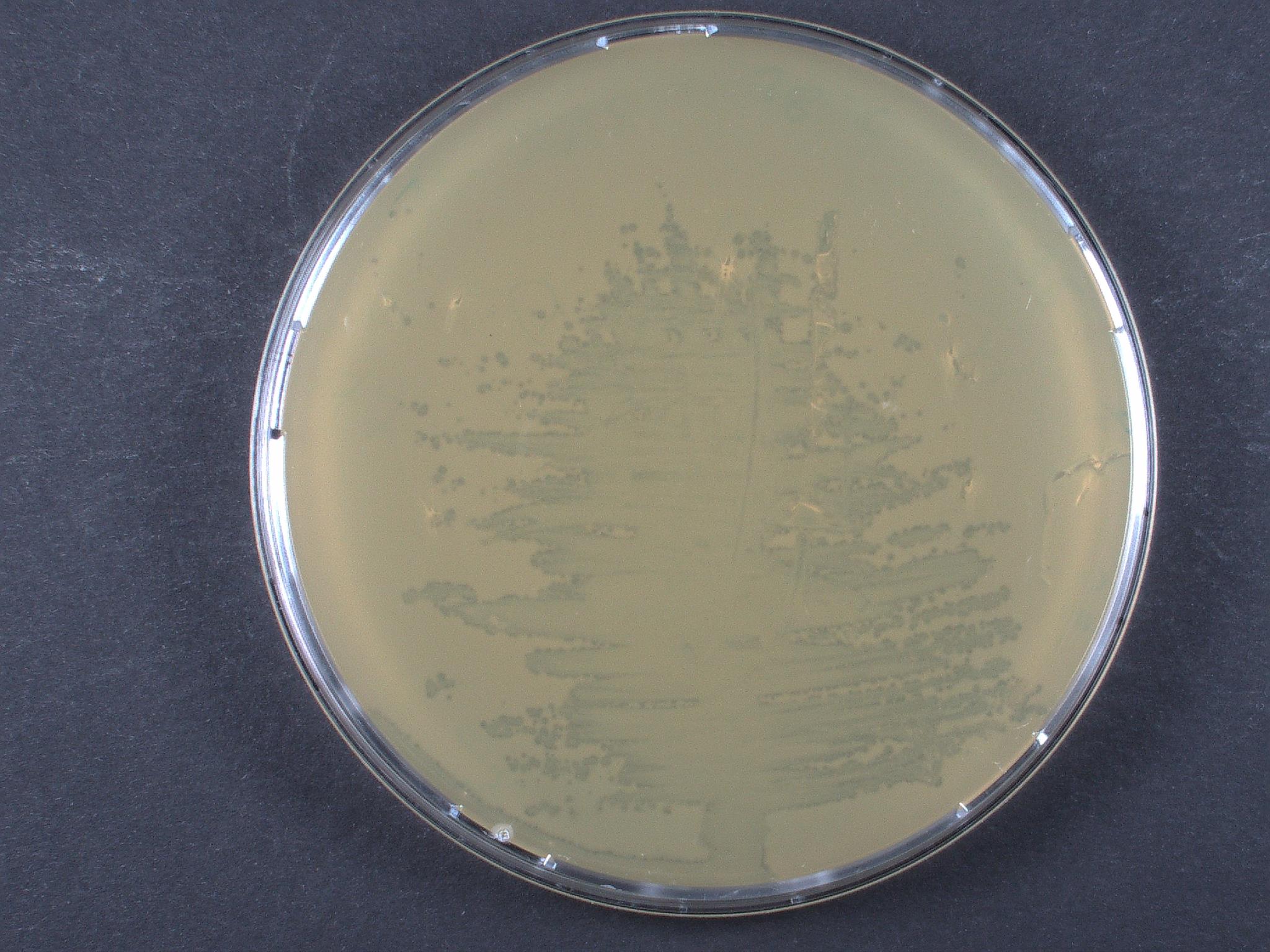
Phague plague on Citrobacter freundii (DSM 14984)
BRAUNSCHWEIG, LOWER SAXONY, GERMANY, November 15, 2022 /EINPresswire.com/ -- The Leibniz-Institute DSMZ German Collection of Microorganisms and Cell Cultures GmbH is the first scientific institute to receive the GMP certification for the identity verification of phage investigational drugs for the use in humans, according to §64 section 3f of the German Medicines Act. With it, the Leibniz Institute DSMZ is authorised to perform DNA sequencing for the identification of phages within the framework of projects researching the therapeutic use of phages. The Government Trade Inspectorate Braunschweig – as competent surveillance authority – confirmed the GMP certification on 2nd August 2022. In detail, the Office for Occupational Safety, Environmental Protection and Consumer Protection certified that the Leibniz Institute DSMZ meets the requirements of ‘Good Manufacturing Practice’ (GMP) in the DNA sequencing for identity verification in phage projects, making the Leibniz Institute DSMZ one of the few institutions worldwide with the license and approval to do so. DNA sequencing for the identification of phages lays the groundwork for further research and can be used at any time for the identity control of phage preparation.
The Working Group DNA and Sequencing, part of the DSMZ department Bioinformatics and Databases, took just two months to prepare for the inspection of the Trade Supervisory Board within the pharmacovigilant framework, thereafter successfully completing the application. The certificate confirms that the DSMZ operates according to GMP guidelines during sequencing for the identification of phages and may therefore be commissioned by pharmaceutical companies. The need for GMP-certification arose from two research projects: PhagoFlow and Phage4Cure, both of which are managed by Dr. Christine Rohde and her working group Clinical Phages and Legal Regulation as part of the DSMZ department Bioresources for Bioeconomy and Health Research, headed by Prof. Dr. Yvonne Mast. “The GMP certificate also has wider implications, beyond the application for these two projects. It really distinguishes the DSMZ as the first and currently only institute in Germany offering this service for bacteriophages under GMP conditions”, comments DSMZ legal advisor Dr. Hilke Püschner. It was the scientific projects aiming to establish phages as authorised medicinal product that flagged up the need for a GMP-conform sequencing for the characterisation and approval of therapeutic phages. After recognising this urgent need, the DSMZ experts started the necessary work together with the Fraunhofer Institute for Toxicology and Experimental Medicine (ITEM) in Braunschweig, which produces the therapeutic phages used in the research projects mentioned above. Key steps in this process included establishing a suitable standard operating procedure, preparing the necessary infrastructure in laboratories and analysis chambers and putting in place a transparent management for consumables and sample material.
Phage research at the DSMZ is one of the institute’s main foci, and commenced in 2005/2006 with the support of third-party funds. Today, the DSMZ is proud to host the world’s most diverse bioresource collection, including the DSMZ phage bank with more than 1,000 phages.
About the Leibniz Institute DSMZ
The Leibniz Institute DSMZ-German Collection of Microorganisms and Cell Cultures is the world's most diverse collection of biological resources (bacteria, archaea, protists, yeasts, fungi, bacteriophages, plant viruses, genomic bacterial DNA as well as human and animal cell lines). Microorganisms and cell cultures are collected, investigated and archived at the DSMZ. As an institution of the Leibniz Association, the DSMZ with its extensive scientific services and biological resources has been a global partner for research, science and industry since 1969. The DSMZ was the first registered collection in Europe (Regulation (EU) No. 511/2014) and is certified according to the quality standard ISO 9001:2015. As a patent depository, it offers the only possibility in Germany to deposit biological material in accordance with the requirements of the Budapest Treaty. In addition to scientific services, research is the second pillar of the DSMZ. The institute, located on the Science Campus Braunschweig-Süd, accommodates more than 82,000 cultures and biomaterials and has around 200 employees. www.dsmz.de
The Leibniz Association
The Leibniz Association connects 97 independent research institutions that range in focus from the natural, engineering and environmental sciences via economics, spatial and social sciences to the humanities. Leibniz Institutes address issues of social, economic and ecological relevance. They conduct knowledge-driven and applied basic research, maintain scientific infrastructure and provide research-based services. The Leibniz Association identifies focus areas for knowledge transfer to policy-makers, academia, business and the public. Leibniz institutions collaborate intensively with universities – including in the form of “Leibniz ScienceCampi” – as well as with industry and other partners at home and abroad. They are subject to a transparent, independent evaluation. Because of their importance for the country as a whole, the Leibniz Association Institutes are funded jointly by Germany’s central and regional governments. The Leibniz Institutes employ around 20,500 people, including 11,500 researchers. The financial volume amounts to 2 billion euros. www.leibniz-gemeinschaft.de
PhDr. Sven David Mueller, M.Sc.
Leibniz-Institut DSMZ
sdm18@dsmz.de
Visit us on social media:
Facebook
Twitter
LinkedIn
Legal Disclaimer:
EIN Presswire provides this news content "as is" without warranty of any kind. We do not accept any responsibility or liability for the accuracy, content, images, videos, licenses, completeness, legality, or reliability of the information contained in this article. If you have any complaints or copyright issues related to this article, kindly contact the author above.
