
The Planetary Society announces first-ever winners of new STEP grant program
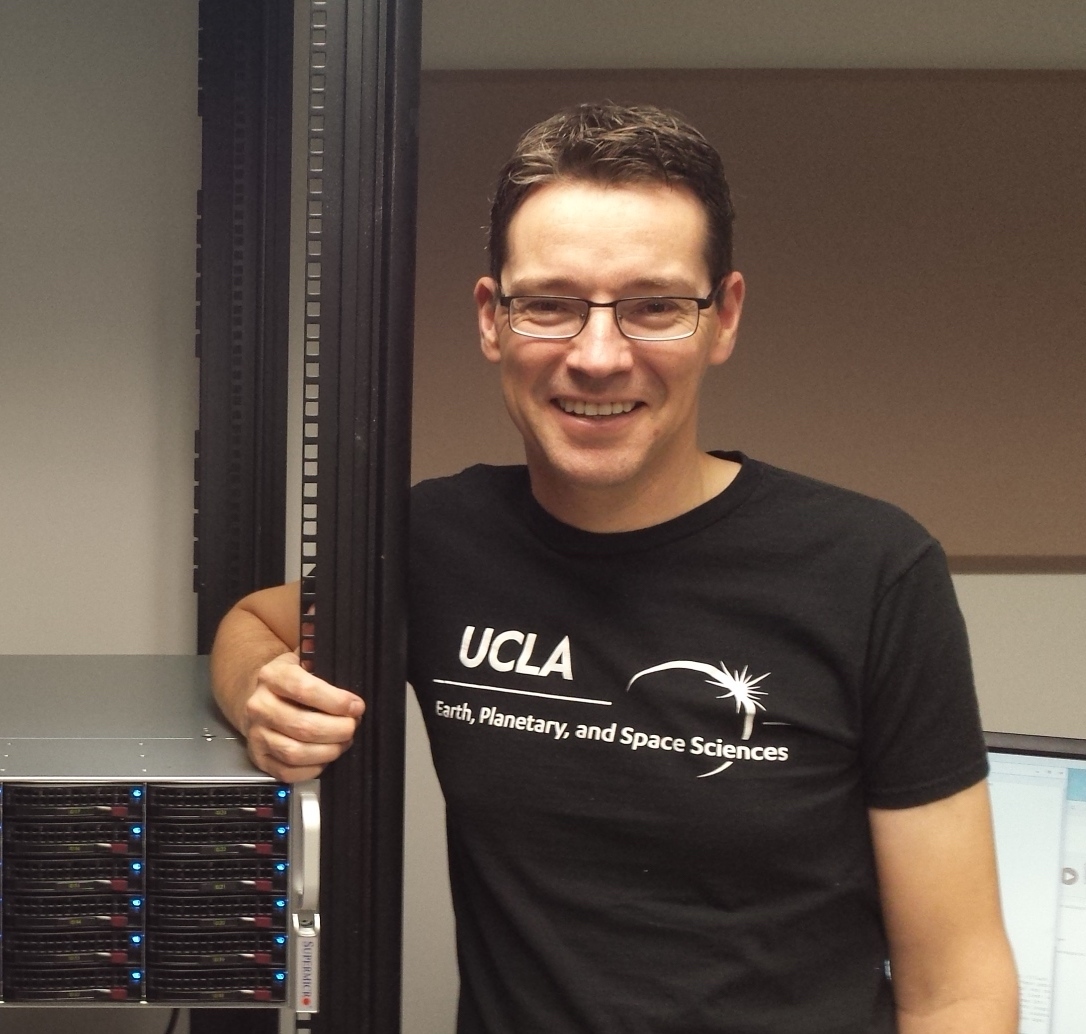
Jean-Luc Margot is a professor in the UCLA Department of Earth, Planetary, and Space Sciences. He is also a professor in the UCLA Department of Physics and Astronomy.
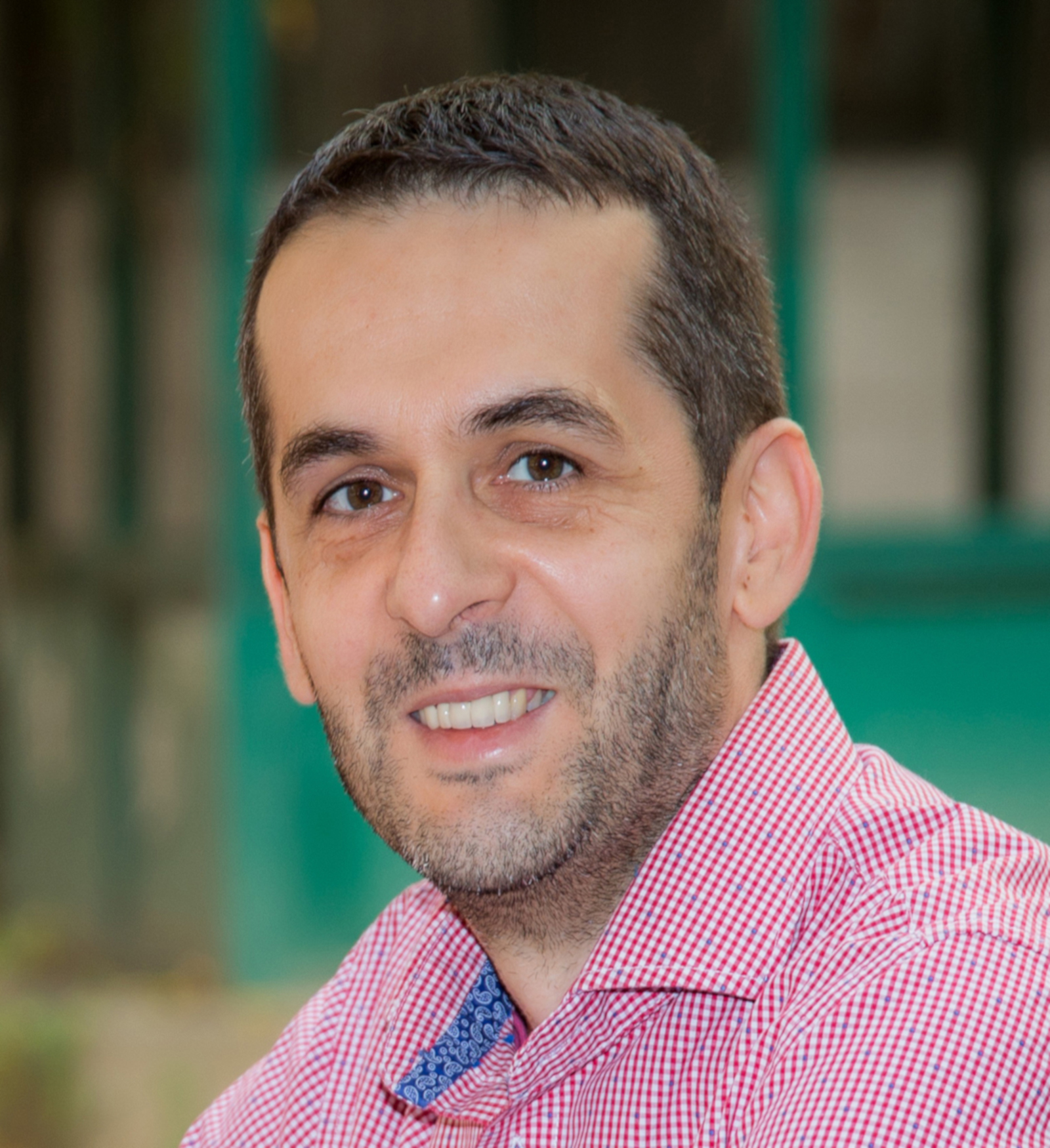
Bojan Novakovic is an assistant professor in the Department of Astronomy at the University of Belgrade in Serbia.
The SETI project is by a team from the University of California Los Angeles led by Professor Jean-Luc Margot and UCLA Co-Investigator Lisa Garibay. They have been awarded US$49,980 for their proposal “Are We Alone? A Citizen-Science-Enabled Search for Technosignatures.” Their grant will be used to fund the development of a citizen science project that will help with one of the biggest challenges with radio SETI: weeding out the many sources of radio signals produced by intelligent life here on Earth. Using the well-established citizen scientist platform Zooniverse, participants will classify signals in huge volumes of data into several categories, which will be used to sort the most promising signals in the data. The citizen scientists’ efforts will also generate a set of tens of thousands of classifications to train a machine learning system for future use.
The planetary defense project is by a team from the University of Belgrade, Serbia, led by Professor Bojan Novaković, with University of Belgrade Co-Investigators Professor Dušan Marčeta, Dr. Marco Fenucci, and Vanja Petkovic. They have been awarded US$44,842 for their proposal “Demystifying Near-Earth Asteroids (D-NEAs).” Their grant will enable the development and application of a novel method of determining the physical properties of near-Earth asteroids. This project will develop complex computer modeling to use Yarkovsky drift data to determine the near-surface physical properties, and, where possible, the density of around 150 near-Earth asteroids. The project will also demonstrate this method as a viable characterization technique, with potential application to future data.
For its entire history, through the crowdfunding support of its members and donors, The Planetary Society has funded science and technology projects to provide a way for supporters to play an active role in space exploration while enabling advances in space science and technology. The new STEP Grants program is designed to regularly compete a significant portion of The Planetary Society’s science and technology portfolio to support their core enterprises of exploring other worlds, finding life, and defending Earth from dangerous asteroids. The winners were chosen through an open, international, competitive proposal process.
The Halicioglu Family Foundation generously supported the development and implementation of the STEP Grant program.
A detailed description of each winner’s project can be read in an article published today by Planetary Society Chief Scientist and STEP grant program manager, Bruce Betts: https://www.planetary.org/articles/step-grant-winners-2022
Press Resources
Bruce Betts, Chief Scientist and STEP grant program manager, is available for interviews. Please arrange with Danielle Gunn, chief communications officer, at danielle.gunn@planetary.org
Article: Announcing the First-Ever STEP Grant Winners: Citizen Science SETI and Determining Asteroid Properties
About the STEP (Science and Technology Empowered by the Public) Grant Program
Audio interviews with the winners on Planetary Radio (with full transcript)
Danielle Gunn
The Planetary Society
+1 626-793-5100
email us here
Visit us on social media:
Facebook
Twitter
LinkedIn
Other
Legal Disclaimer:
EIN Presswire provides this news content "as is" without warranty of any kind. We do not accept any responsibility or liability for the accuracy, content, images, videos, licenses, completeness, legality, or reliability of the information contained in this article. If you have any complaints or copyright issues related to this article, kindly contact the author above.
