
Jeju’s Place in EV History
A look back at the electric vehicle as the 2nd International Electrical Vehicle Expo (IEVE 2015) approaches
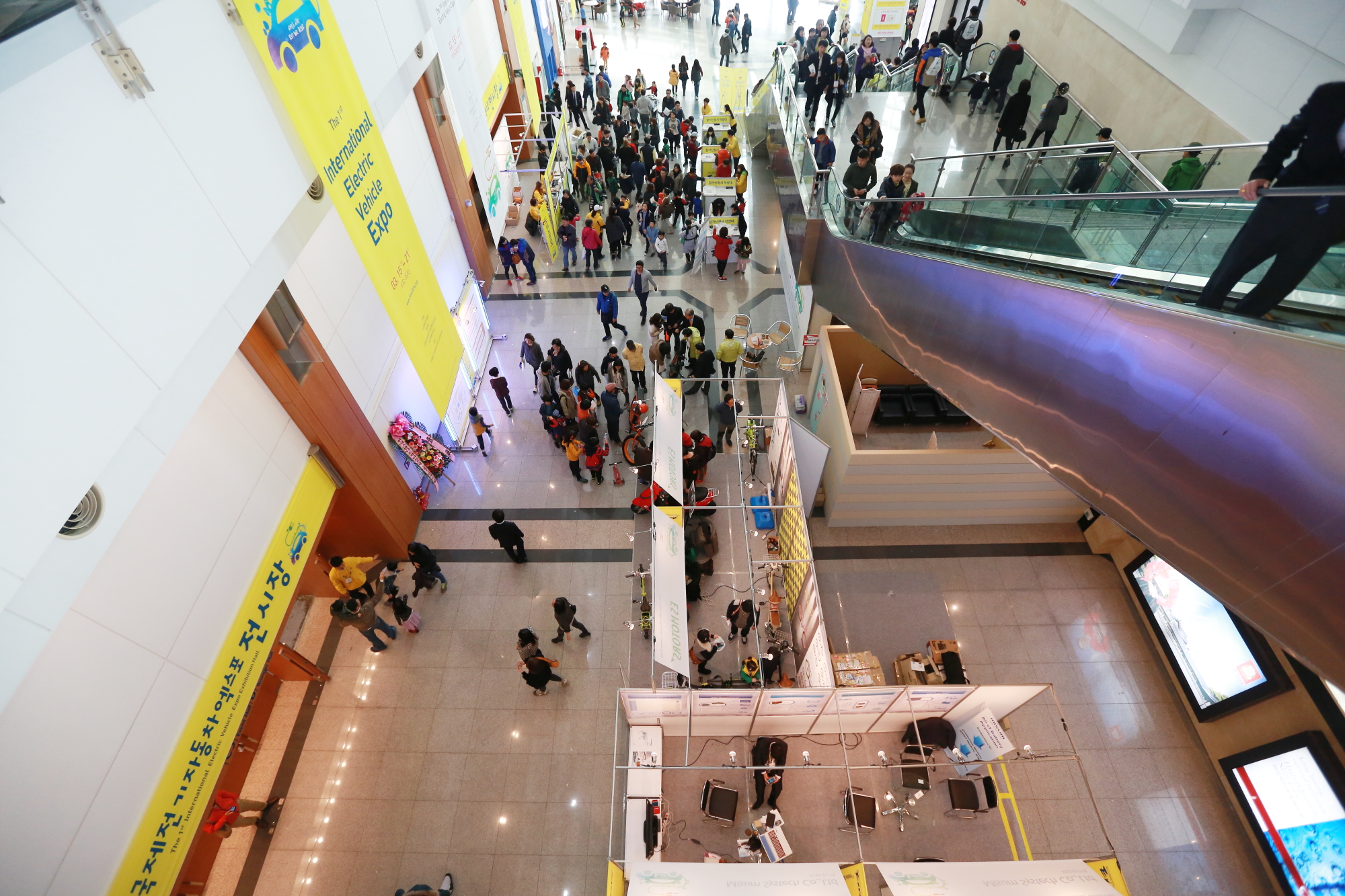
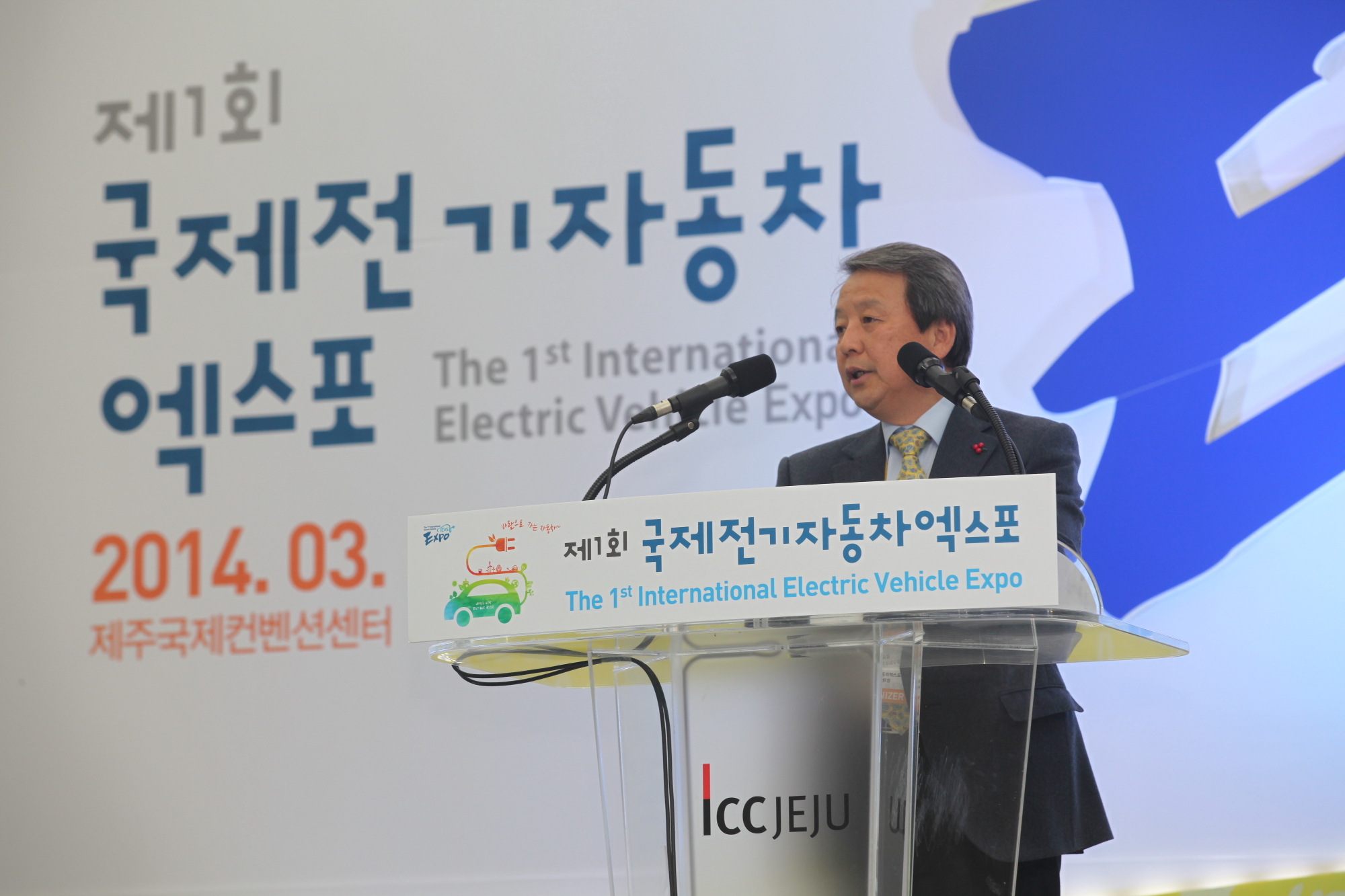
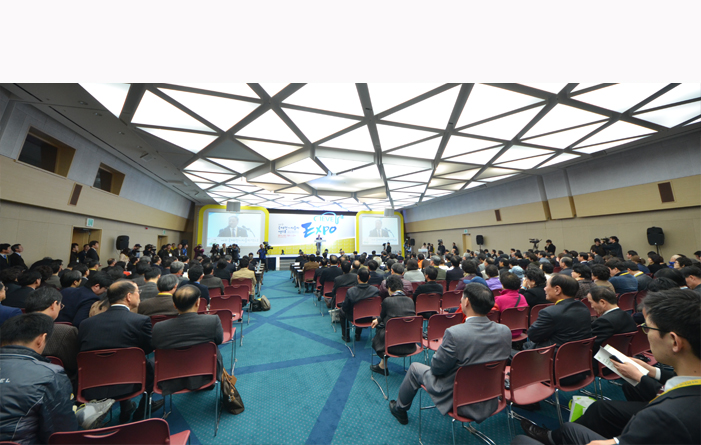
JEJU CITY, JEJU PROVINCE, KOREA, February 10, 2015 /EINPresswire.com/ -- Jeju’s reputation as an invaluable natural and cultural treasure has been bolstered by its rare UNESCO Triple Crown, consisting of World Natural Heritage, Global Geopark, and Biosphere Reserve statuses. The Jeju provincial government is seeking to further maintain this image by addressing a critical issue facing the island— automotive carbon emissions.This message was sent out clearly after its hosting of the 1st International Electric Vehicle Expo (IEVE) in March 2014, and this will be followed by Jeju’s 2nd IEVE, to be hosted at the International Convention Center (ICC Jeju) on March 6-15.
The second expo reaffirms Jeju’s commitment to converting its entire automotive fleet to electric vehicles (EVs) by 2030. As the expo approaches, a brief history of the EV industry will be helpful in understanding how the industry developed up to this point and the nexus between Jeju’s anti-carbon efforts and the industry’s future.
The EV’s early promise
The EV’s invention is difficult to attribute to one individual, with a number of 19th-century inventors from across Europe and the United States playing their part such as Ferdinand Porsche (Austria-Hungary), Gaston Planté (France), Sibrandus Stratingh (the Netherlands), Robert Davidson (Scotland) and William Morrison (the United States).
The EV’s development in different countries led to it accounting for a substantial part of the automotive market in major cities such as London and New York City, where there was even an entire line of electric taxis.
However, with one of the largest oil discoveries in the world up to that point in the United States, the 1908 introduction of Henry Ford’s Model T, and Charles Kettering’s 1912 invention of the electric starter, eliminating the need for hand-cranking a gasoline vehicle, the EV industry began to decline and was near the point of extinction by 1935.
Some countries experimented with EV designs from time to time throughout the decades, but overall the EV remained in a general dark age until 1973, when the OPEC international oil crisis and increasing environmental awareness from the US Environmental Protection Agency (EPA) brought about the first EV renaissance. With financial and research support from the US Department of Energy, the American private sector, led by General Motors (GM), began introducing higher quality EVs into the market, among them the Sebring-Vanguard CitiCar, the Elcar Corporation’s Elcar, and American Motor Company’s electric delivery jeeps.
Under CEO Roger Smith, GM produced the EV1 in 1988, the paragon of EV development up to that point. Next in the EV revival was the Toyota Prius in 1997, whose US sales were bolstered by sweeping pro-green legislation in California.
After a brief loss of interest in EVs in the early 2000s and a multitude of international geo-political, environmental, and economic factors that strongly influenced views towards EVs, the industry experienced a second renaissance, which may be symbolized by the 2006 emergence of the American EV company Tesla, founded by the visionary behind PayPal and SpaceX, Elon Musk.
Tesla’s Roadster in 2006 and Model S in 2012 both pushed the boundaries of EV quality, and the models that will be present at Jeju’s expo in March will seek to prove they have done the same. Since 2006, EV development outside of the United States has been notably prolific in Japan and Europe, with countries such as China seeking to also increase their market share.
According to a 2013 report by the International Energy Agency (IEA), in 2012, of the global 180,000 EV stock, the US, Japan, and France held the largest share—38 percent, 24 percent, and 11 percent, respectively. By 2014, The Guardian reported that global stock had more than doubled to 400,000.
Jeju at the vanguard
With a vibrant and international automotive industry that produces the vast majority of the vehicles driven by its citizens, South Korea, and especially Jeju, is striving to be at the vanguard of the bourgeoning EV market in East Asia.
The 1st IEVE 2014 was extensively covered by the industry, with reports in The Wall Street Journal and Bloomberg, and more eyes will be on the island this year as it adds 1,500 EVs to the roads, tripling its 2014 distribution. Provincial officials will also be looking to strengthen partnerships with some of the leading foreign EV companies that will have exhibits—among them BMW, Nissan, and Mitsubishi.
In addition to the corporations that will be present, BusinessKorea reports that influential figures such as Germany’s environment minister, the governor of the German state of Saxony, as well as representatives of the world’s leading EV markets, including Leipzig (Germany), Zermatt (Switzerland) and Amsterdam (The Netherlands), might be present.
With Hyundai Motors, absent last year, looking to promote interest in its 2016 line of EVS, and with speculation that Elon Musk himself might be there too, the expo will be a truly impressive congregation of innovative industry and political leaders.
With an area of less than 2,000km2 — ideal for an EV’s battery range — and impressive renewable energy resources increasingly integrated with an expanding “smart grid” infrastructure, Jeju has the potential to lead the rest of Korea down the sustainable road and crest the next historical high in the EV’s existence.
As the national and Jeju government implement discouraging carbon-taxes and alluring EV subsidies, the green experiment on Jeju will allow Korea to refine and perfect its EV development strategy as it seeks to implement it in its other provinces.
Looking even further ahead, to the time of the 4th or 5th IEVE, Jeju may very well have its own fleet of EV taxis that once dominated the streets of New York City over 100 years ago.
Yeon-jeong, Oh
International Electric Vehicle Expo Organizing Committee
+82-64-702-1579
email us here
Legal Disclaimer:
EIN Presswire provides this news content "as is" without warranty of any kind. We do not accept any responsibility or liability for the accuracy, content, images, videos, licenses, completeness, legality, or reliability of the information contained in this article. If you have any complaints or copyright issues related to this article, kindly contact the author above.
