
Elkhorn Heating, Air Conditioning, Plumbing & Electrical Explains AC Cooling Recovery During Extreme Denver Heat
Elkhorn Heating, Air Conditioning, Plumbing & Electrical Adresses How Fast Should a Denver Home Cool Down After a 100-Degree Afternoon?
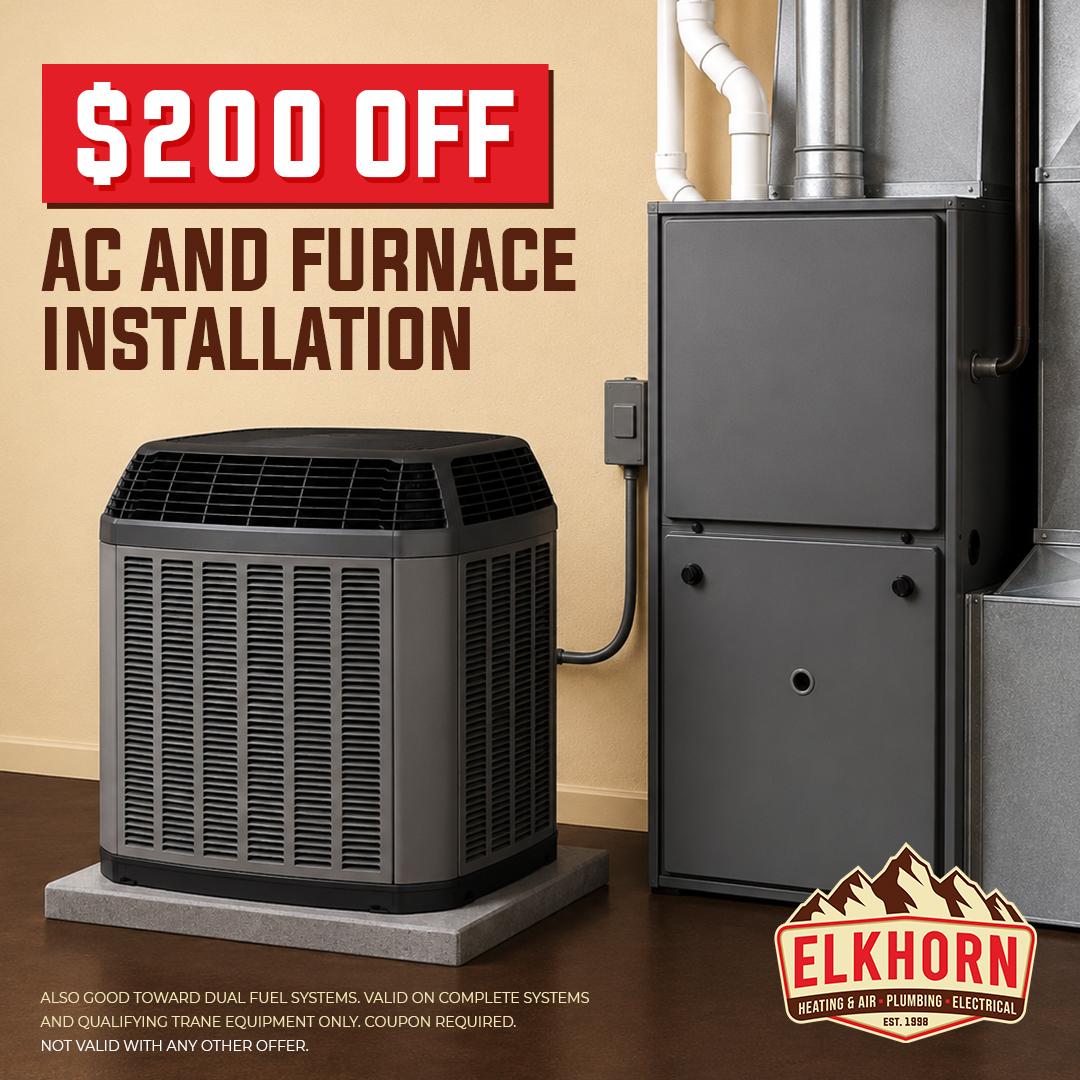
$200 Off AC and Furnace Installation. Also good toward dual fuel systems. Valid on complete systems and qualifying Trane equipment only.
Elkhorn Heating, Air Conditioning, Plumbing & Electrical is offering a $99 Heating/Cooling Tune-Up For Denver Homeowners
Elkhorn Heating, Air Conditioning, Plumbing & Electrical explains normal AC recovery, stored indoor heat, and signs that slow cooling needs professional care.
The National Weather Service forecast issued Aug. 11 called for Denver highs near 94 degrees Tuesday with patchy smoke and near 92 degrees Wednesday. During that kind of stretch, the AC is not only cooling the air. It is also working against heat stored in the roof, attic, walls, furniture, and sun-facing rooms. Finished upper levels, large west-facing windows, and ductwork in hot spaces can keep adding heat after the outdoor temperature begins to fall.
There is no single recovery time that applies to every home. Equipment size, insulation, window exposure, thermostat settings, duct design, indoor humidity, and the starting temperature all matter. Lowering the thermostat several extra degrees does not increase the system's cooling capacity. A conventional central AC generally removes heat at the rate it was designed to handle, so the important signs are trend and consistency.
Homeowners can watch three simple patterns. First, is the indoor temperature gradually moving toward the setting? Second, does cool air continue to come from the vents with normal airflow? Third, does the home recover more effectively after direct sun fades? A slow but steady temperature decline during extreme heat may be different from a system that runs continuously while the indoor temperature rises.
Certain changes justify a service call. These include warm air from the vents, airflow that is noticeably weaker than earlier in the season, repeated starts and stops, ice on a refrigerant line, water near indoor equipment, a tripped breaker, new grinding or buzzing sounds, or no measurable improvement after the hottest part of the day has passed. Homeowners should not open electrical panels, handle refrigerant components, or repeatedly reset a breaker.
A technician can compare thermostat readings with supply and return temperatures, inspect blower operation, electrical components, coils, condensate drainage, refrigerant-related performance, and airflow through the home. That evaluation can reveal whether the system is operating normally under a heavy load, losing capacity because of a maintenance or component problem, or being limited by ductwork and air distribution.
Slow recovery also deserves context from the household schedule. A deep daytime thermostat setback can leave the system trying to remove many hours of stored heat at the exact time outdoor conditions are most demanding. Closing shades on sun-facing windows and avoiding unnecessary indoor heat can reduce the load, but those steps should not be used to excuse a system that has clearly changed from its normal performance.
For an older air conditioner, repeated recovery problems may lead to a longer-term discussion. A targeted repair can make sense when the fault is isolated, and the equipment has otherwise been dependable. When the system repeatedly cannot restore comfort, needs frequent repairs, or has a major component failure, homeowners can compare continued repair costs with AC installation and replacement before an emergency removes their ability to plan.
Elkhorn Heating, Air Conditioning, Plumbing & Electrical's current cooling offers include a $99 Heating/Cooling Tune-Up and $29 off a qualifying service call or repair.
Denver-area homeowners who want a performance check, AC repair guidance, or help understanding slow recovery can call Elkhorn Heating, Air Conditioning, Plumbing & Electrical at 720-615-0098. Reach out to them to schedule air conditioning services for Denver homeowners.
About Elkhorn Heating, Air Conditioning, Plumbing & Electrical
Elkhorn serves Littleton, Denver, and communities across the Denver metro area with heating, air conditioning, plumbing and electrical services. Its cooling work includes AC maintenance, repair, installation and replacement.
Denver's AC Team
Elkhorn Heating, Air Conditioning, Plumbing & Electrical
+1 720-615-0098
email us here
Visit us on social media:
Facebook
LinkedIn
Instagram
X
Legal Disclaimer:
EIN Presswire provides this news content "as is" without warranty of any kind. We do not accept any responsibility or liability for the accuracy, content, images, videos, licenses, completeness, legality, or reliability of the information contained in this article. If you have any complaints or copyright issues related to this article, kindly contact the author above.
