
Custom Cigar Packaging Solutions Provider Introduces Next-Generation Protective Packaging for International Transit

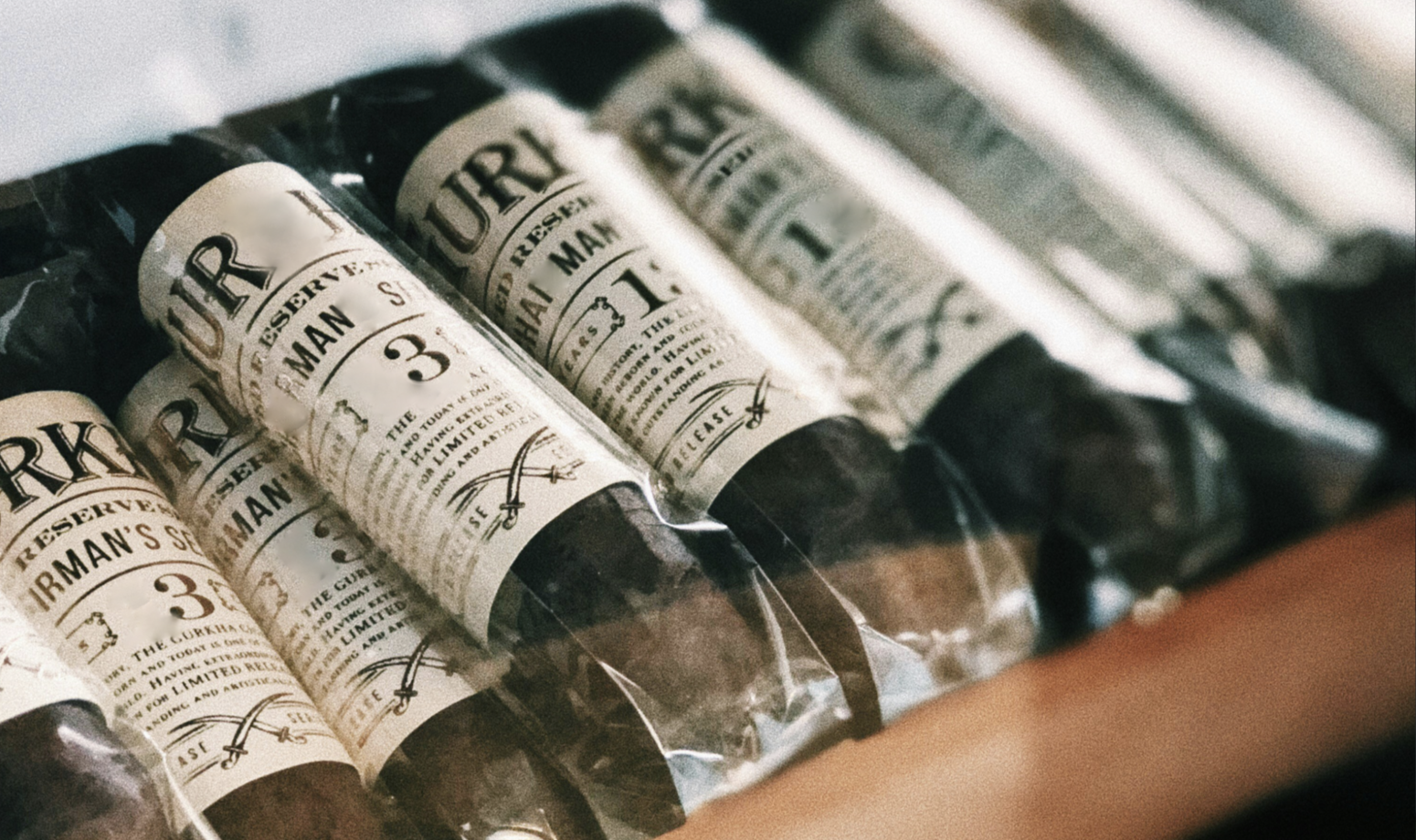
Q1 — What Actually Threatens a Cigar Inside a Shipping Container?
Three categories of threat operate simultaneously during ocean transit. Humidity fluctuation tops the list, with relative humidity inside a container potentially swinging between 40% and 90% as the vessel passes through different climate zones. A cigar that absorbs excess moisture risks mold growth on the wrapper; one that loses moisture becomes brittle and prone to cracking when handled.
Temperature differentials add a second pressure. Containers stacked on deck experience direct solar heating, while below-deck containers remain cooler, and the difference can exceed twenty degrees Celsius during equatorial crossings. Repeated heating and cooling cycles drive moisture migration within sealed packages, which often condenses on cooler surfaces.
Mechanical stress completes the picture. Container shifting during heavy seas, stacking pressure from goods loaded above, and the vibration of ground transport between port and warehouse all transmit force to individual cigar packages. The result: shelf-ready condition depends almost entirely on what happens during transit, not on what gets done after arrival.
Q2 — How Does Cellophane's Semi-Permeable Structure Maintain the 65–75% RH Range?
Cellophane, derived from regenerated cellulose, possesses a molecular structure that allows controlled moisture vapor transmission. Unlike fully sealed synthetic films such as BOPP, cellophane neither traps moisture inside nor allows it to escape rapidly. Instead, the film exchanges water vapor with surrounding air at a rate that tends to buffer rather than amplify external humidity swings.
This behavior matters because premium cigars require storage within a relatively narrow humidity band, generally cited as 65% to 75% relative humidity. Outside that range, wrapper integrity degrades in measurable ways: too dry, and the leaf cracks; too humid, and microbial growth begins. Cellophane functions as a passive humidity regulator, smoothing the curve between ambient conditions and the cigar's microenvironment.
Breathable paper alternatives offer some of the same buffering but lack the visual presentation that retail-bound cigars require. Cellophane therefore occupies a practical middle ground between sealed plastic and open paper, which explains its persistence in cigar packaging despite decades of synthetic film innovation.
Q3 — Why Does Film Thickness Influence Both Humidity Control and Drop Protection?
Film thickness operates as a dual-purpose variable. Thinner films breathe more readily and respond faster to ambient changes, but offer less mechanical protection. Thicker films slow moisture exchange and provide better drop resistance, yet may overcorrect humidity behavior in stable climates. The trade-off must be calibrated rather than maximized.
Standard cellophane cigar bag production typically uses film thicknesses ranging from 21 to 40 microns, with selection depending on cigar size, destination climate, and expected transit duration. A short-haul shipment to a temperate market may perform well at the lower end of that range, while a long-haul shipment crossing tropical zones often warrants thicker film to slow moisture migration during prolonged exposure.
YiTo Pack calibrates thickness specifications during the consultation phase, with destination climate and shipping route factored into the recommendation. Thicker, in this context, is not always better; over-specifying film weight can actually delay the package's response to favorable ambient conditions at the destination.
Q4 — What Role Does Seal Geometry Play in Preventing Wrapper Damage?
The seal along a cellophane cigar bag is more than a closure. Its width, edge profile, and internal pressure characteristics influence how the bag behaves under transit stress. A seal that is too narrow may fail under vibration; one that is too rigid can create pressure points against the wrapper during stacking compression.
Seal failure modes differ between humid and dry transit environments. In humid conditions, weak seals may delaminate as moisture penetrates the bond line. In dry conditions, overly brittle seals may fracture along the edge when the bag flexes. Both outcomes compromise the humidity buffer that the bag was designed to maintain.
Quality control checkpoints validate seal performance before shipment. Seal strength testing follows sampling protocols that escalate inspection frequency whenever results approach lower acceptable thresholds. Bags that pass inspection retain flexibility along the seal line, which allows them to absorb vibration without transferring stress to the cigar inside.
Q5 — How Are Bags Engineered to Absorb Drop and Stacking Impact?
Cellulose film exhibits a degree of elastic deformation under sudden mechanical load, which allows it to absorb impact energy rather than transmit it directly to the cigar. This cushioning behavior, while modest at the single-bag level, compounds across carton-level packing configurations.
For premium SKUs requiring additional protection, composite structures pair cellophane with reinforcement layers that add structural rigidity without sacrificing breathability. Such configurations are particularly relevant for thicker vitolas like Gran Corona or Churchill formats, where the longer wrapper surface presents more area vulnerable to impact damage.
Carton-level packing patterns matter as much as bag-level engineering. Distributing load across multiple units, orienting bags to minimize edge-on impact, and using internal dividers to prevent direct contact between cigars all contribute to wrapper integrity at the destination. Buyers exploring biodegradable cigar bag options will find that the same engineering principles apply, with the additional consideration that compostable substrates require slightly different thickness calibration to match the performance of conventional cellophane.
Q6 — How Does a Custom Packaging Partner Translate These Properties Into Actual Specifications?
The consultation workflow that converts material science into practical specifications generally follows a defined sequence. Destination climate analysis comes first, with average temperature and humidity ranges along the shipping route serving as primary inputs. Cigar specifications follow, since vitola size and wrapper sensitivity influence both thickness selection and seal configuration. Transit duration and handling expectations close the analysis phase.
Sample testing protocols then simulate transit conditions before mass production begins. Humidity chamber exposure replicates the conditions a sealed bag will encounter during ocean crossing. Drop testing validates mechanical resistance against carton-level handling. Stacking pressure tests confirm that bags hold their shape under prolonged compression.
Documentation handover completes the process. Material certificates, batch numbers, and inspection records travel with the shipment, which supports buyer-side quality assurance at the destination. YiTo Pack integrates this transit-protection logic into its standard cellophane cigar bag offerings, so that even buyers without specialized packaging expertise receive specifications calibrated for their actual shipping requirements rather than generic defaults.
Transit protection, in the end, is engineered upstream during material specification rather than improvised downstream during logistics. The cigar that arrives in shelf-ready condition six weeks after leaving the factory does so because decisions made during packaging design anticipated the journey ahead. YiTo Pack maintains open consultation channels for buyers evaluating long-haul packaging requirements, with further information accessible through https://www.yitopack.com/.
HuiZhou YITO Packaging Co., Ltd.
HuiZhou YITO Packaging Co., Ltd.
+86 159 7508 6317
email us here
Visit us on social media:
LinkedIn
Instagram
Facebook
YouTube
Legal Disclaimer:
EIN Presswire provides this news content "as is" without warranty of any kind. We do not accept any responsibility or liability for the accuracy, content, images, videos, licenses, completeness, legality, or reliability of the information contained in this article. If you have any complaints or copyright issues related to this article, kindly contact the author above.
