
New Book Breaks the Silence Around a Feeling Parents Rarely Name
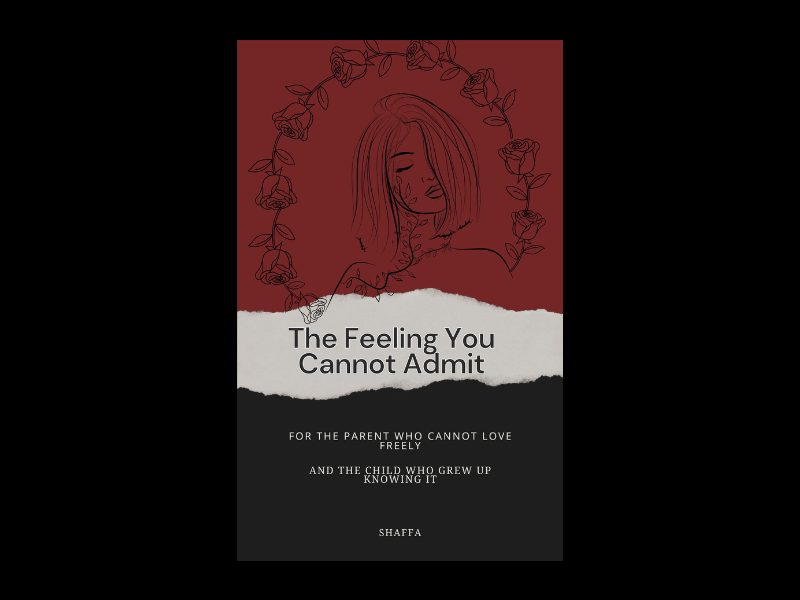
Shaffa's new book, "The Feeling You Cannot Admit," addresses the parental feelings no one talks about.
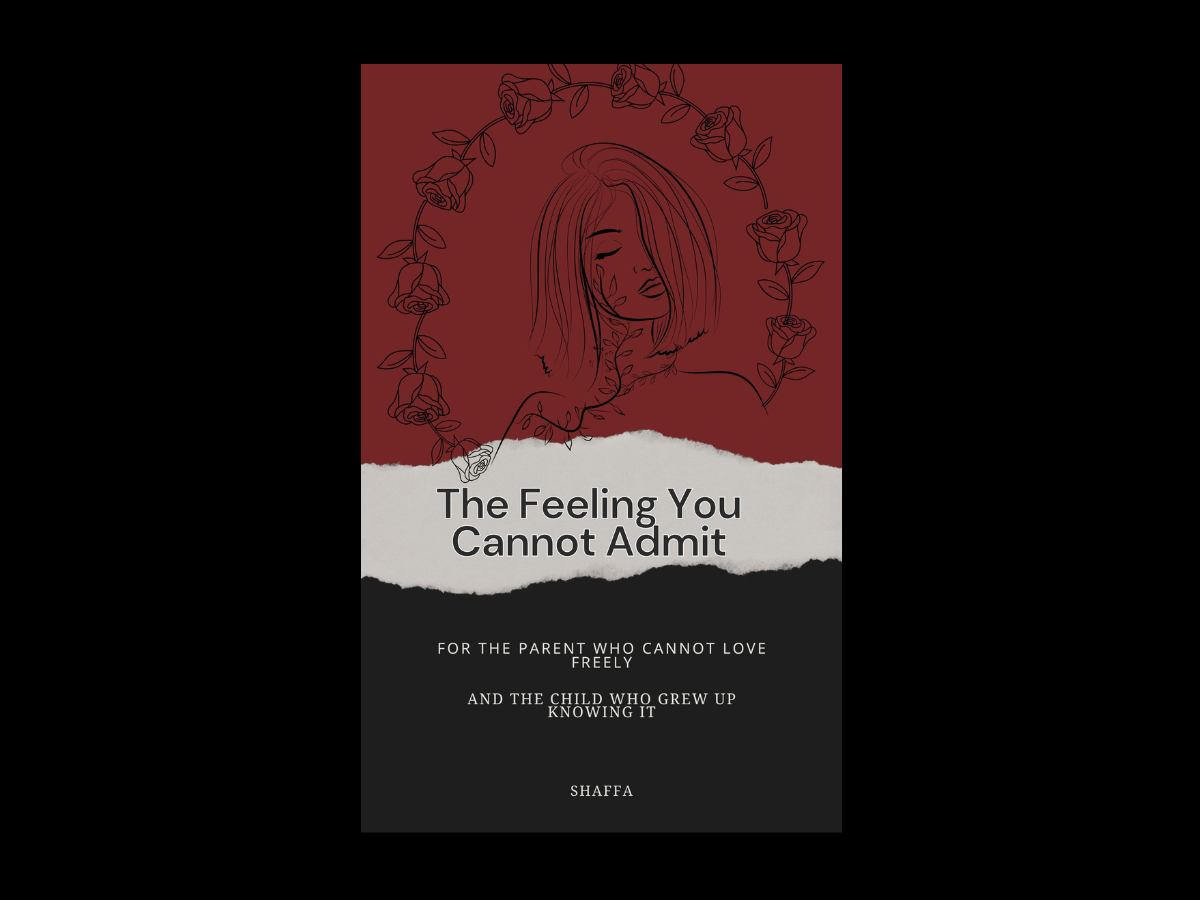
Shaffa's new book, "The Feeling You Cannot Admit," addresses the parental feelings no one talks about.
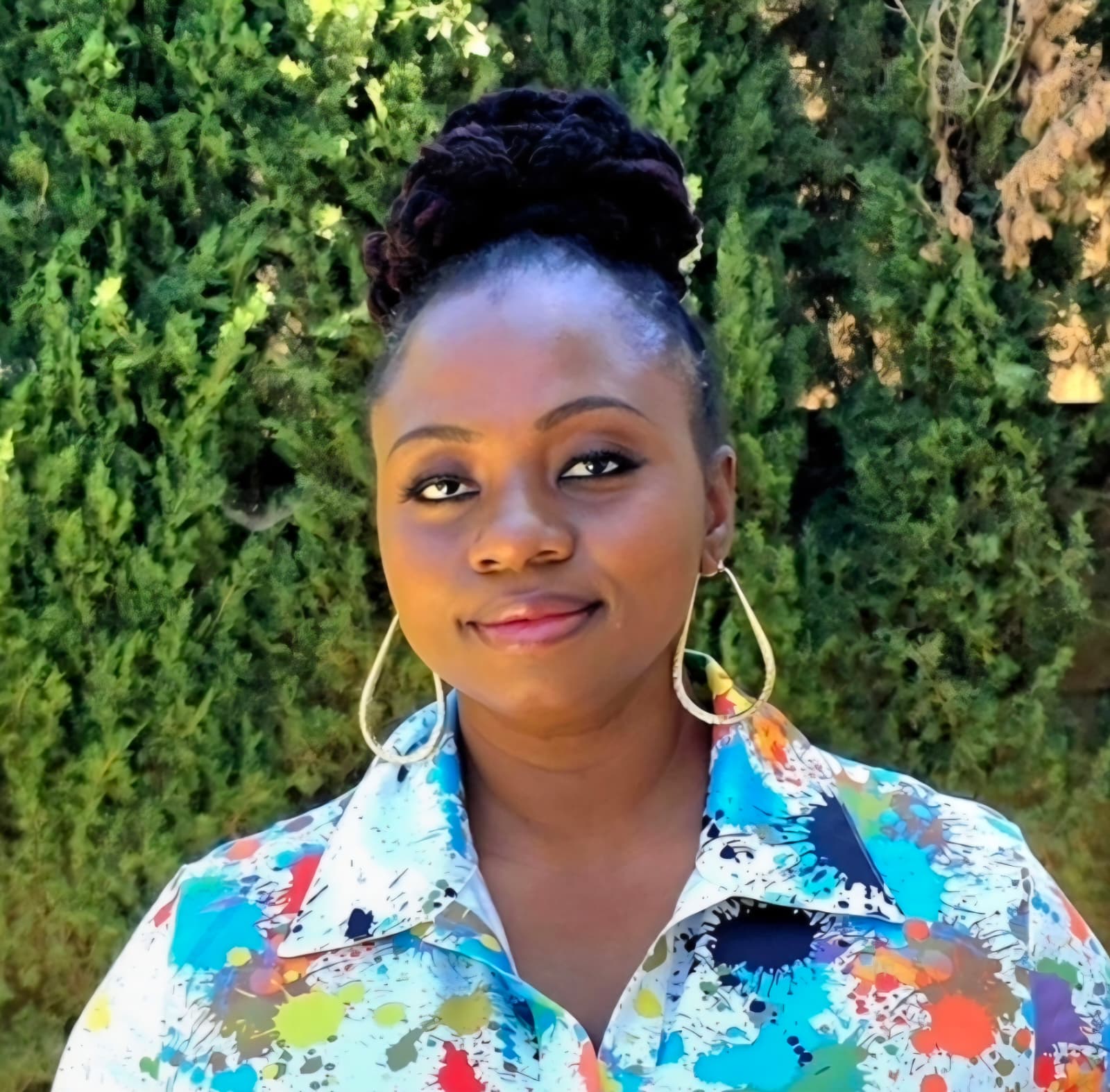
Shaffa, author, teacher, and coach behind Peace with Shaffa, and author of "The Feeling You Cannot Admit."
In The Feeling You Cannot Admit, author Shaffa gives parents a language for love that feels blocked, and a path toward healing it for good.
The Feeling You Cannot Admit, by author, teacher, and coach Shaffa, gives language to an experience millions of parents carry and almost no one names out loud.
There is a feeling that lives quietly in countless homes, one that culture has never given parents permission to speak. Not because any single parent is forbidden from naming it, but because a systemic silence surrounds the subject so completely that it has never had a public language at all. A new book, The Feeling You Cannot Admit, by author, teacher, and coach Shaffa, sets out to change that.
Published July 1, 2026, and now available in Kindle, paperback, and hardcover editions, The Feeling You Cannot Admit: For the Parent Who Cannot Love Freely and the Child Who Grew Up Knowing It addresses the experience of a parent whose love for a child feels blocked, distant, or difficult to access freely, and the experience of the child who grows up sensing that distance long before any word is spoken. Drawing on psychology, nervous system science, and spiritual frameworks, the book offers both parent and child a way to finally understand what has been happening between them.
"The wound this book addresses does not exist because parents are broken or because children are too sensitive," Shaffa says. "It exists because we have never, as a culture, given this feeling anywhere to go. Silence does not mean the feeling is rare. It means the feeling has nowhere safe to be spoken. That silence is what this book is written to end."
Central to the book's approach is a philosophy Shaffa has carried through all of her work: she does not name the reader's experience for them. Rather than handing readers a diagnosis or a label, the book provides a framework, grounded in the science of the nervous system, the psychology of shame, and a spiritual understanding of forgiveness and generational healing, that allows readers to arrive at their own honest language for what they have been carrying. It is an approach built on the belief that naming reached through one's own honest looking is the naming that actually heals.
The book moves through five parts: the wound itself and where it originates, the parent's own truth and the shame that keeps it hidden, a spiritual and energetic understanding of what moves between parent and child, a path toward self love and reparenting, and finally, the grief and forgiveness work that leads to genuine peace. Each chapter includes reflection practices and journaling exercises designed to help readers do the work in their own words rather than simply read about someone else's.
Shaffa closes the book, and much of her work, with a single guiding line: "The love was never absent. It was blocked. And what is blocked can be unblocked." That distinction, between a love that never existed and a love that has simply been dammed by an unspoken wound, is the foundation the entire book is built on.
The Feeling You Cannot Admit speaks not only to mothers but to fathers, and to every configuration of the parent and child relationship in which this silence has taken hold. Shaffa is careful to note that the book neither excuses harm done to children nor asks children to forgive prematurely. Instead, it holds that a parent who is met with understanding rather than condemnation is a parent far more capable of the honest healing that protects the next generation from inheriting the same silence.
Alongside the book's release, Shaffa has built a companion ecosystem to support readers further, including a free companion workbook for direct website purchasers, a self paced course, and a free community workshop, "The Tale of The Two-Faced Woman," open to all women, taking place July 30, 2026, in Lancaster, California, and virtually nationwide.
About the Author
Shaffa is a writer, coach, and teacher whose work sits at the intersection of psychology, spirituality, and the lived experience of women. She holds a degree in Psychology and an MSc in Leadership and Management. Her writing explores the places where official stories and felt experience diverge, and the profound healing that becomes possible when a person is finally given both the language and the permission to look honestly at what is actually there. The Feeling You Cannot Admit is her first published book.
Availability
The Feeling You Cannot Admit is available now:
Kindle: $9.99
Paperback: $24.99
Hardcover: $34.99
To learn more about Shaffa's work, coaching programs, and upcoming events, or to purchase the book and receive the free companion workbook, visit peace.peacewithshaffa.com.
Media Contact
Shaffa
Peace with Shaffa
peace@peacewithshaffa.com
peace.peacewithshaffa.com
Shaffa
Peace With Shaffa
peace@peacewithshaffa.com
Visit us on social media:
Instagram
Facebook
YouTube
TikTok
The Feeling You Cannot Admit Official Book Trailer
Legal Disclaimer:
EIN Presswire provides this news content "as is" without warranty of any kind. We do not accept any responsibility or liability for the accuracy, content, images, videos, licenses, completeness, legality, or reliability of the information contained in this article. If you have any complaints or copyright issues related to this article, kindly contact the author above.
