
Improper Duct Design Linked to Reduced HVAC System Performance and Efficiency
When duct systems are not designed to support that movement, the equipment has to compensate, and that affects efficiency and consistency”
SLIDELL, LA, UNITED STATES, May 1, 2026 /EINPresswire.com/ -- Heating and cooling systems depend on more than equipment capacity to operate effectively. Duct design plays a central role in determining how air is distributed throughout a building, and deficiencies in that design can significantly affect system performance, energy use, and indoor comfort.— Will Berkowitz
Ductwork functions as the delivery network for conditioned air. When properly designed, it allows air to move efficiently from the system to each room, maintaining balanced temperatures and consistent airflow. When design flaws are present, the system may struggle to deliver air evenly, leading to performance issues that extend beyond simple temperature differences.
One of the most common issues associated with poor duct design is restricted airflow. Ducts that are undersized or contain excessive bends can limit the volume of air reaching certain areas. This restriction forces the HVAC system to work harder to meet temperature demands, increasing energy consumption and placing additional strain on system components.
Air leakage is another factor that reduces efficiency. Gaps, loose connections, or poorly sealed joints allow conditioned air to escape before reaching its intended destination. This loss of air reduces system effectiveness and can result in uneven temperatures throughout a building. In some cases, leakage can also introduce unconditioned air into the system, further affecting performance.
Duct layout influences how evenly air is distributed. A system with poorly planned branch lines may deliver excessive airflow to some rooms while leaving others with insufficient supply. This imbalance creates hot and cold spots, often leading to discomfort and repeated adjustments to thermostat settings. Over time, this pattern can contribute to increased wear on HVAC equipment.
Static pressure is another critical consideration in duct design. When airflow encounters resistance due to improper sizing or layout, pressure builds within the system. Elevated static pressure can reduce the efficiency of the blower motor and limit overall system capacity. Maintaining appropriate pressure levels requires careful planning of duct dimensions and routing.
According to Will Berkowitz with LOUMIS Air servicing multiple locations in Louisiana and Mississippi, duct design has a direct impact on how HVAC systems perform over time. “Airflow depends on the pathway it travels,” said Lingo. “When duct systems are not designed to support that movement, the equipment has to compensate, and that affects efficiency and consistency.”
Improper insulation within duct systems can also contribute to performance issues. In unconditioned spaces such as attics or crawlspaces, poorly insulated ducts can lose or gain heat before the air reaches interior rooms. This temperature change reduces the effectiveness of heating and cooling efforts and can lead to increased energy usage.
Noise is another indicator of duct design problems. Whistling, rattling, or vibration often results from air moving through constricted or poorly supported ducts. While these sounds may initially appear to be minor concerns, they can signal underlying issues that affect airflow and system performance.
Return air pathways are equally important in maintaining balance within an HVAC system. Inadequate return duct design can create pressure imbalances that restrict airflow and reduce system efficiency. Proper return pathways allow air to circulate freely, supporting consistent temperature control throughout a building.
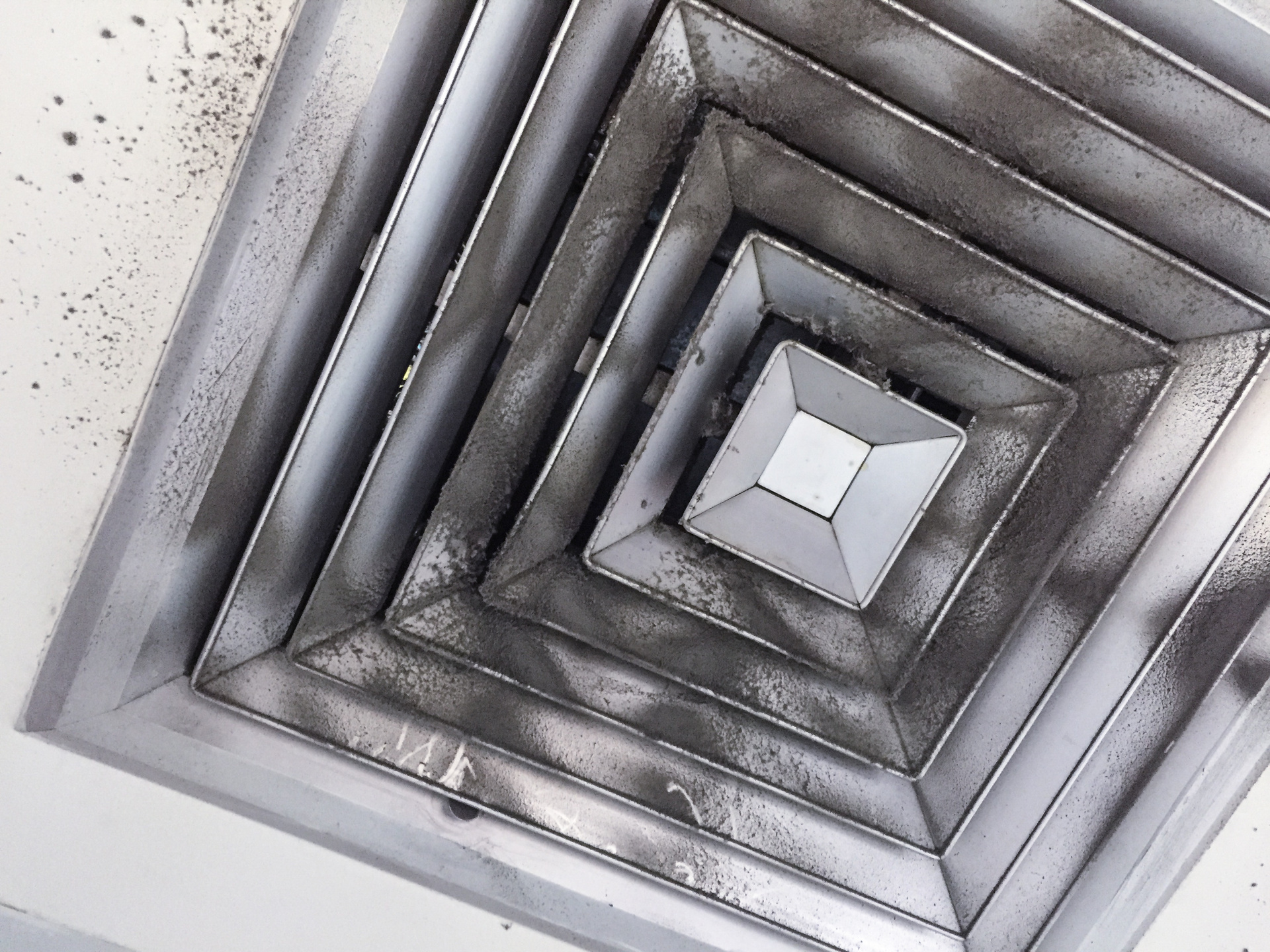
Maintenance challenges may also arise from poor duct design. Systems that are difficult to access or inspect can accumulate dust and debris, further restricting airflow. Regular inspection and cleaning become more complex when duct layouts are not designed with accessibility in mind.
Building size and layout influence duct design requirements. Larger structures or multi-level buildings require careful planning to ensure that air reaches all areas effectively. Variations in ceiling height, room size, and occupancy levels must be considered to achieve balanced airflow.
Retrofitting existing duct systems can address some of these issues. Modifications such as sealing leaks, adjusting duct sizes, or reconfiguring layout can improve airflow and system performance. While these adjustments may not fully replicate the efficiency of a properly designed system from the outset, they can provide measurable improvements.
Energy consumption is closely tied to duct efficiency. Systems operating under strain due to poor duct design often require more energy to maintain desired temperatures. Over time, this increased demand can contribute to higher operating costs and reduced equipment lifespan.
Advancements in HVAC design have introduced tools for analyzing airflow and system performance. Load calculations, pressure testing, and airflow measurements provide data that can guide duct design decisions. These tools support more accurate planning and help identify potential issues before installation.
As heating and cooling systems continue to evolve, the importance of duct design remains a constant factor in overall performance. Equipment efficiency ratings alone do not determine how well a system will function. The pathway through which air travels plays an equally important role.
Addressing duct design during the planning phase of construction or renovation can help prevent long-term performance issues. Proper sizing, layout, sealing, and insulation contribute to a system that operates more consistently and efficiently.
The relationship between duct design and HVAC performance highlights the need for a comprehensive approach to system planning. By focusing on airflow pathways as well as equipment selection, building systems can achieve more reliable and balanced operation across a range of conditions.
Morgan Thomas
Rhino Digital, LLC
+1 504-875-5036
email us here
Visit us on social media:
Facebook
Legal Disclaimer:
EIN Presswire provides this news content "as is" without warranty of any kind. We do not accept any responsibility or liability for the accuracy, content, images, videos, licenses, completeness, legality, or reliability of the information contained in this article. If you have any complaints or copyright issues related to this article, kindly contact the author above.
