
Horticultural Greenhouse Market to Surge at 17.2% CAGR by 2031 | APAC Leads with 40% Share in Protected Cultivation
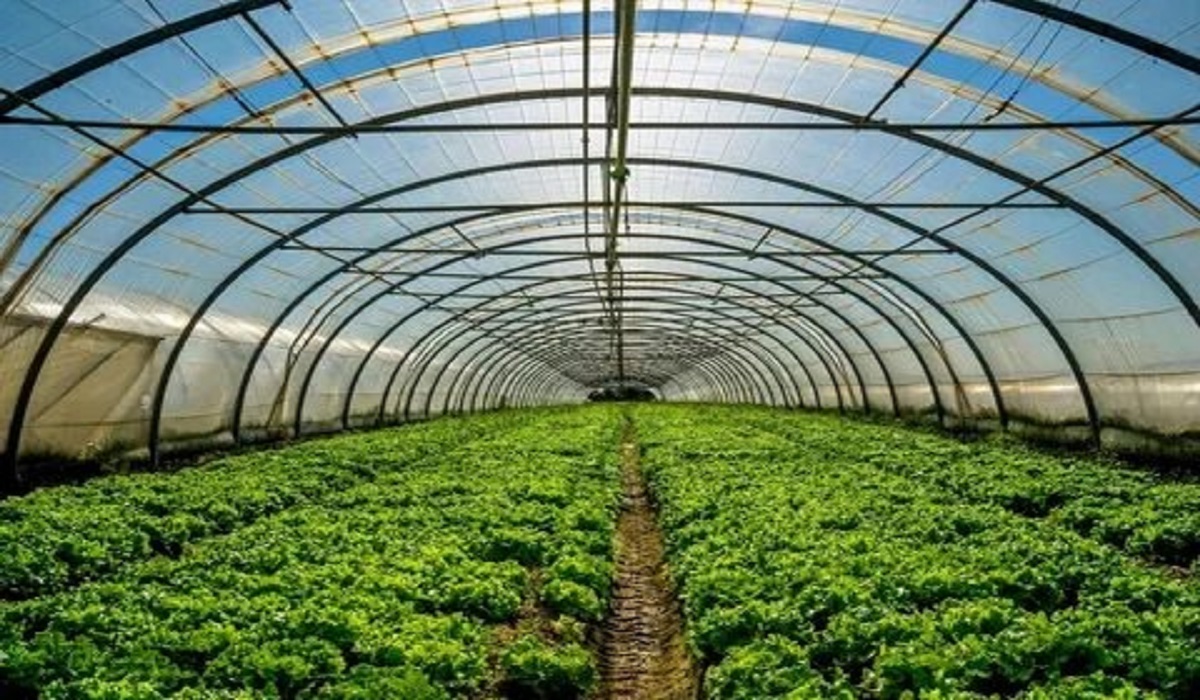
Horticultural Greenhouse
Modern Agriculture Transforms with Smart Greenhouses | Market to Grow 17.2% CAGR Backed by Hydroponics, Automation & Climate-Control Systems
The horticultural greenhouse market is growing rapidly as growers adopt controlled-environment systems to improve crop quality, enhance productivity, and ensure year-round cultivation”
LEANDER, TX, UNITED STATES, December 1, 2025 /EINPresswire.com/ -- According to DataM Intelligence, the Global Horticultural Greenhouse Market is projected to grow at a robust CAGR of 17.2% during the forecast period 2024–2031. Market growth is driven by the rising adoption of controlled-environment agriculture, increasing demand for high-quality fruits and vegetables, and the need to ensure year-round crop production regardless of seasonal or climatic limitations. Greenhouse farming enables higher output with minimal crop losses, making it a preferred solution amid challenges such as climate unpredictability, declining arable land, and the global shift toward sustainable food production.— DataM Intelligence
Horticultural greenhouses provide a protected environment using transparent covering materials to regulate temperature, humidity, and light, resulting in superior crop performance. These structures significantly reduce the need for pesticides, optimize water usage, and minimize environmental stress on plants. As farmers increasingly adopt advanced technologies such as automated climate control systems, hydroponics, and energy-efficient greenhouse designs, the sector continues to evolve as one of the most lucrative and high-growth segments within modern agriculture.
Download your exclusive sample report today: (corporate email gets priority access): https://www.datamintelligence.com/download-sample/horticultural-greenhouse-market
Key Highlights from the Report:
The global horticultural greenhouse market is projected to grow at a strong CAGR during the forecast period.
Greenhouse farming provides key advantages such as higher yields, efficient water usage, controlled environmental conditions, and reduced dependence on seasonal variations.
The market is segmented by covering material (plastic greenhouse, glass greenhouse), produce type (fruits & vegetables, flowers), application (commercial farming, research & development), and region.
Plastic greenhouses dominate the market due to lower cost, easy installation, and greater flexibility compared to glass structures.
Fruits and vegetables account for the largest share, driven by the growing demand for year-round supply and high-quality produce.
Increasing global food demand, rising adoption of sustainable farming methods, and technological advancements in greenhouse systems are major growth drivers.
Asia-Pacific is emerging as the fastest-growing region owing to expanding agriculture economies and rising acceptance of modern cultivation practices.
North America holds the largest share due to well-established commercial greenhouse farming and advanced infrastructure.
The industry is experiencing rapid adoption of high-tech solutions such as hydroponics, climate-controlled systems, and advanced environmental monitoring technologies.
High setup and operating costs, need for skilled labor, and concerns regarding plastic waste generation remain key challenges for market expansion.
Key Segments
By Covering Material
Plastic greenhouses dominate the market due to their cost-effectiveness, flexibility, and suitability for diverse climatic conditions. Their high light transmission, durability, and ease of installation make them the preferred choice for small and large-scale growers. Glass greenhouses maintain a notable share driven by their superior longevity, structural strength, and ability to provide uniform light distribution, making them ideal for advanced cultivation systems and high-value crops.
By Produce Type
Fruits & vegetables represent the largest segment as controlled-environment cultivation ensures higher yield quality, extended growing seasons, and protection against pests and climate fluctuations. This segment is widely adopted for tomatoes, cucumbers, peppers, leafy greens, and berries. Flowers show steady growth, supported by strong demand for ornamental plants, floriculture exports, and year-round production of premium floral varieties in greenhouse environments.
By Application
Commercial applications lead the market as greenhouse farming becomes essential for meeting rising consumer demand for fresh, pesticide-free, and high-quality produce. Large-scale growers adopt greenhouse systems to maximize productivity, enhance resource efficiency, and ensure consistent supply. Research & Development applications continue to expand in universities, agricultural institutes, and biotech organizations focusing on plant breeding, climate-resilient varieties, and innovative cultivation technologies.
Buy Now & Unlock 360° Market Intelligence: https://www.datamintelligence.com/buy-now-page?report=horticultural-greenhouse-market
Key Players
Hoogendoorn | Harnois Greenhouses | Certhon | Priva | Rough Brothers | Ceres Greenhouse Solutions
Key Highlights
• Hoogendoorn – Holds 17.4% share of the global smart greenhouse solutions market, driven by advanced automation technologies, climate control systems, and precision cultivation software.
• Harnois Greenhouses – Accounts for 14.1% market share, supported by its extensive portfolio of commercial greenhouse structures, turnkey installation, and strong presence across North America.
• Certhon – Maintains 12.8% share, recognized for high-tech greenhouse engineering, automated horticulture systems, and strong collaborations in vertical farming and indoor cultivation.
• Priva – Holds 19.3% share, driven by its market-leading climate automation platforms, irrigation systems, and digital cultivation management tools used globally.
• Rough Brothers (now Prospiant) – Represents 11.6% share, supported by its greenhouse construction expertise, horticulture project integration, and large-scale commercial farm installations.
• Ceres Greenhouse Solutions – Maintains 8.7% share, known for energy-efficient greenhouse designs, passive solar technology, and controlled-environment agriculture (CEA) solutions.
Regional Insights
• Asia-Pacific – 40% driven by "rapid population growth, rising demand for fresh vegetables and fruits, expanding adoption of protected-cultivation systems, and strong government support for modern, high-yield greenhouse farming practices."
• Europe – 35% supported by "advanced greenhouse infrastructure, long-established commercial horticulture industry, strict sustainability standards, and high demand for premium-quality produce grown in controlled environments."
• North America – 20% fueled by "increasing consumer preference for pesticide-free and locally grown produce, widespread use of high-tech greenhouse systems, and rising growth of hydroponics and controlled-environment agriculture."
• Latin America – 5% driven by "modernization of agricultural practices, increasing adoption of greenhouse cultivation for vegetables and export-oriented crops, and growing investment in protected-farming technologies."
• Middle East & Africa – <5% supported by "rising focus on food security, adoption of greenhouses to overcome extreme climatic conditions, and growing use of water-efficient controlled-environment farming systems."
Get Customization in the report as per your requirements: https://www.datamintelligence.com/customize/horticultural-greenhouse-market
Key Developments
- June 2025: A major greenhouse operator launched a precision-climate, technology-driven greenhouse project, highlighting the growing global shift toward fully automated and high-efficiency horticulture systems.
- May 2025: A leading irrigation and fertigation solutions provider secured a large contract to automate greenhouse operations, reflecting rising demand for water-efficient and energy-efficient controlled-environment agriculture systems.
- May 2025: Cloud-based greenhouse management platforms were upgraded with predictive analytics, enabling centralized monitoring of climate, irrigation, nutrient supply, and energy use to improve yield consistency and reduce operational costs.
- April 2025: Adoption of modular and smart greenhouse structures increased, supported by expanding urban farming initiatives and the need for flexible, quickly deployable horticulture infrastructure.
- March 2025: Commercial greenhouse operators expanded investments in hydroponics, aeroponics, and AI-enabled climate-control technologies, marking a transition toward sustainable and data-driven horticultural production.
- March 2025: Rising demand for greenhouse-grown vegetables, ornamentals, and high-value crops was noted, driven by food-security concerns, changing consumption patterns, and the push for year-round production independent of weather conditions.
Frequently Asked Questions (FAQs):
How big is the global horticultural greenhouse market in terms of growth forecast?
The global horticultural greenhouse market is experiencing strong growth, supported by rising demand for controlled-environment agriculture.
What is the projected CAGR for the horticultural greenhouse market?
The market is projected to grow at a CAGR of 17.2% during 2024–2031.
Which covering-material segment leads the horticultural greenhouse market?
The plastic greenhouse segment leads the market due to its lower cost, durability, and flexibility compared to glass structures.
Which produce-type segment dominates the horticultural greenhouse market?
The fruits and vegetables segment holds the largest share, driven by year-round production needs and high consumer demand.
Conclusion:
The global horticultural greenhouse market is expanding rapidly, supported by rising demand for fresh, high-quality produce and a growing shift toward sustainable, resource-efficient farming. Greenhouse cultivation offers major advantages such as higher yields, year-round production, improved water efficiency, and reduced vulnerability to climate variability, making it an increasingly attractive alternative to traditional open-field farming.
Adoption is growing quickly in regions with limited arable land or unfavorable climate conditions, as well as among commercial growers aiming to enhance productivity and crop quality. However, high initial investment costs, energy requirements, and the need for skilled labor continue to pose challenges for broader market penetration.
Related Reports:
1. Horticulture Lighting Market
2. Greenhouse Drip Irrigation Systems Market
Sai Kiran
DataM Intelligence 4market Research LLP
+1 877-441-4866
email us here
Visit us on social media:
LinkedIn
X
Legal Disclaimer:
EIN Presswire provides this news content "as is" without warranty of any kind. We do not accept any responsibility or liability for the accuracy, content, images, videos, licenses, completeness, legality, or reliability of the information contained in this article. If you have any complaints or copyright issues related to this article, kindly contact the author above.
