
Dr. David Samadi, New York City urologist, explains why testosterone levels increase when men lose weight

Intermittent fasting can be a useful tool for men for weight loss improving testosterone levels

Dr. David Samadi keeping men healthy at all ages
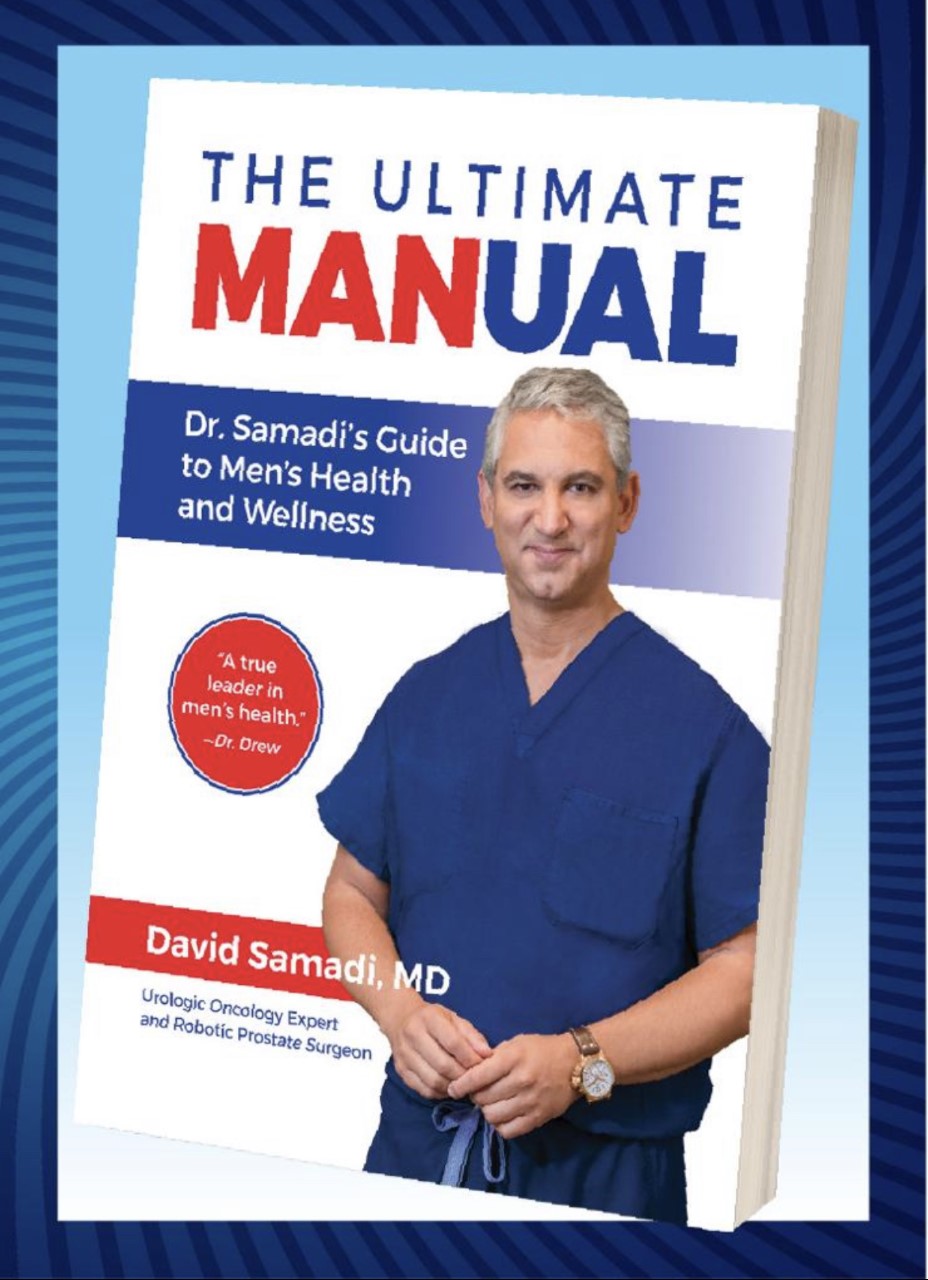
The Ultimate MANual ranked no. 2 in BookAuthority's Best Men's Health Book
NYC prostate cancer surgeon encourages men to reach a healthy body weight to boost testosterone and regain their sex life
TESTOSTERONE'S ROLE IN MEN'S HEALTH
Testosterone is a crucial male hormone for building muscles, increasing bone density, and maintaining healthy sexual function in men. Low testosterone levels can lead to various health complications, such as decreased energy levels, decreased libido, and an increased risk of depression.
Research has shown that men can experience increased testosterone levels through weight loss(1). However, when a man gains weight, an enzyme called aromatase increases, associated with fat or adipose tissue accumulation in the body, especially in the buildup of visceral fat that accumulates in a man's belly or abdominal area. Aromatase can convert testosterone to estradiol, a female sex hormone, which can lead to a decrease in testosterone levels. But, by losing weight, men can reduce the amount of fat cells in their bodies, thereby reducing aromatase levels while increasing their testosterone levels.
USING INTERMITTENT FASTING FOR WEIGHT LOSS
Men wanting to lose weight can choose from various weight loss options, such as following a healthy diet and engaging in physical activity. One of those options is intermittent fasting (IF) men can try as a weight loss strategy. This approach alternates between regular eating and fasting periods, significantly limiting caloric intake to specific hours of the day.
Several different methods can define "intermittent fasting," but the two most popular are the "12:12 approach" and the "16:8 approach" When using the 12:12 approach, a person adheres to following 12 hours of fasting and then have 12 hours when they eat their breakfast, lunch, and dinner. The 12-hour fast can include sleeping time, making it easier to follow. For example, a person could fast between 7 pm and 7 am. They would need to finish their dinner before 7 pm and wait until 7 am to eat breakfast but would be asleep for much of the time in between.
If a person chooses the 16:8 approach, you would only eat within an eight-hour window, from 10 am to 6 pm, and then fast from 6 pm to 10 am the next day.
The fasting periods of this weight loss option help lower insulin levels and help the release of fatty acids from fat stores, helping burn fat for energy(2). The nice thing about IF is that metabolism should only slow down if a person were to fast for more extended periods. Otherwise, metabolism should not be affected(3).
Researchers suggest fasting for 10-16 hours can trigger the body to use its fat reserves for energy, releasing ketones into the bloodstream and potentially aiding in weight loss(4).
If you're new to intermittent fasting, consider trying a plan with a shorter fasting window, such as the 12:12 approach. This plan allows you to fast mainly while you sleep and maintain your daily calorie intake. Any man who uses insulin for type 1 or type 2 diabetes should not use IF for weight loss.
HEALTHY LIFESTYLE CHANGES MATTER MOST
For men who want to boost their testosterone levels, it is essential to maintain a well-balanced diet rich in protein, fiber, and healthy fats. Along with this, incorporating regular strength training and cardiovascular exercise into their daily routine is crucial. By doing so, men can achieve optimal testosterone levels and improve their overall health and well-being.
By implementing specific lifestyle changes, men can significantly boost their testosterone levels, improving their health and well-being. Moreover, weight loss is a highly effective approach for men seeking to achieve their health and fitness objectives.
References:
1. https://academic.oup.com/smoa/article/9/4/100400/6956684
2. https://www.medicalnewstoday.com/articles/327398
3. https://translational-medicine.biomedcentral.com/articles/10.1186/s12967-016-1044-0
4. https://www.nature.com/articles/ijo2017206
Dr. David Samadi is the Director of Men’s Health and Urologic Oncology at St. Francis Hospital in Long Island. He’s a renowned and highly successful board certified Urologic Oncologist Expert and Robotic Surgeon in New York City, regarded as one of the leading prostate surgeons in the U.S., with a vast expertise in prostate cancer treatment and Robotic-Assisted Laparoscopic Prostatectomy. Dr. Samadi is also the author of The Ultimate MANual, Dr. Samadi’s Guide to Men’s Health and Wellness, available online both on Amazon and Barnes & Noble. Visit Dr. Samadi’s websites at robotic oncology and prostate cancer 911.
David Samadi
Madison Urology
+1 212-365-5000
email us here
Visit us on social media:
Facebook
Twitter
LinkedIn
Instagram
YouTube
Legal Disclaimer:
EIN Presswire provides this news content "as is" without warranty of any kind. We do not accept any responsibility or liability for the accuracy, content, images, videos, licenses, completeness, legality, or reliability of the information contained in this article. If you have any complaints or copyright issues related to this article, kindly contact the author above.
