
Mental Health Training Program Intended to Help Eliminate Barriers for Indigenous People with a Positive Criminal Record
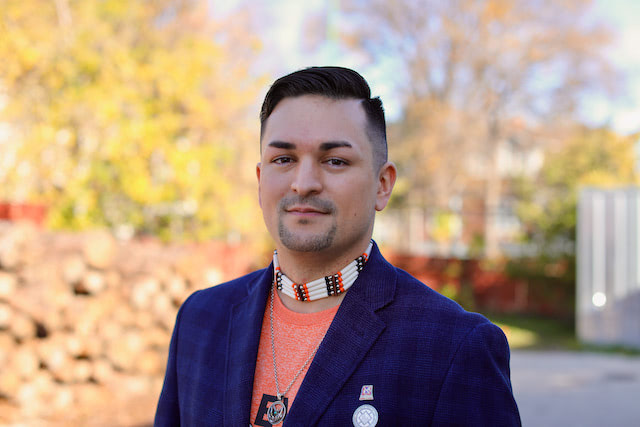
Native Clan Organization Chief Executive Pathfinder Kendell Joiner

LINKS Institute President & CEO John Jackson
WINNIPEG, MANITOBA, CANADA, March 8, 2023 /EINPresswire.com/ -- Treaty 1 territory. LINKS Institute has partnered with the Native Clan Organization (NCO) to eliminate the barriers for Indigenous people who have had previous contact with western justice systems to access education. The two groups have forged a partnership to provide the LINKS’ Institute Mental Wellness & Harm Reduction Worker Diploma, with Indigenous supports, at an in-person Winnipeg site. “While this program is open to anyone, preference is being given to students who are Indigenous and who have had prior contact with western justice systems” says John Jackson, President & CEO of LINKS Institute. “Unfortunately, these potential students face many barriers to access particular types of education in Manitoba, and we are trying to change that”.
Jackson explains that for social service education programs, there is typically a hands-on, practicum component in community organizations which provide services in areas such as supporting people who are homeless, living with a mental health concern or in poverty. “As part of a usual practicum placement process, many public education institutions require students to submit criminal record checks and child abuse registry checks as part of the initial admission process to the school”, says Jackson. “Although the submission of a negative criminal record check is not required to access education in Manitoba, for programs with practical components, the presence of a positive record becomes an immediate barrier for students, who may be told that they are unable to pursue a program”.
The LINKS Institute and NCO collaboration seeks to change this, by assisting students who may have a positive criminal record check to access practicum experiences in community organizations which have more flexibility in their ability to accept practicum students. “In the experience of LINKS Institute, many organizations are welcoming and supportive of students who have a positive criminal record check, and assess the ability of students to work with their organizations on a case by case basis”, says Jackson. “To not allow students the opportunity to access an educational program because they ‘might’ have difficulty in being accepted for a practicum placement seems a bit like putting the cart before the horse, so to speak”. For groups such as the NCO which support Indigenous people as they exit western justice institutions, they note that there are many systems level impediments for Indigenous people seeking to effectively integrate into their communities. This includes the need for negative criminal record checks prior to being accepted for some schooling.
“As a society, we have placed many administrative barriers on allowing relatives who have had contact with the western justice system to be able to help those also exiting these systems in a lived experience capacity”, says Kendell Joiner, Chief Executive Pathfinder of the NCO. Minimizing the systemic barriers that impede Indigenous people from choosing the education they want to, is a goal of this collaboration. These types of initiatives are no different than other innovations aimed at helping Indigenous people seek their personal goals. “ This is a common practice that is seen as extremely important in every field that delivers support services in community, and the justice field is no different in that we owe it to our relatives to support and help in a manner that is realistic and customized."
Set to launch in late April of 2023, the Mental Wellness & Harm Reduction Worker Diploma is intended to follow a two-eyed seeing model of education in which both Indigenous and non-Indigenous partners work together with their respective lenses to meet a common goal. The students will come in-person to the Native Clan Organization’s 424 Logan street Community program space where they will receive transportation support in Winnipeg and meals while they are attending classes. The purpose of the in-person opportunity is to allow students to also support each other through developing friendships and eventually professional relationships. Students will have access to both Elders and Knowledge keepers, ceremony and other supports in line with an Indigenous approach to living in the world and building relationships.
The Native Clan Organization, LINKS Institute, and a number of other community-based Indigenous organizations, have engaged in a comprehensive curriculum review process to ensure that the program will be focused on the unique needs of students in Winnipeg, and those of the Indigenous community. Applications will be accepted until the program begins or until the available student spaces are full.
About LINKS Institute
LINKS Institute is a private vocational institute registered in Manitoba and offers programs to prepare students to work in health and social services. The school currently offers 5 distinct programs: Medical Unit Clerk; Community Support Worker: Mental Health Certificate; Mental Wellness and Harm Reduction Diploma, and the newest Child & Youth Care Worker Diploma.
About the Native Clan Organization
The Native Clan Organization, Inc. (NCO) established in 1972, is a unique non-profit community support agency founded by Al Chartrand. The overall mission of NCO is “The Native Clan Organization helps and supports our relatives navigate through, heal from, and return to their communities after contact with justice systems and to provide advocacy and progression of Indigenous ways of justice within those systems."
Please contact LINKS Institute via their website: www.links-institute.ca
John Jackson
LINKS Institute
email us here
Visit us on social media:
Facebook
Twitter
LinkedIn
Legal Disclaimer:
EIN Presswire provides this news content "as is" without warranty of any kind. We do not accept any responsibility or liability for the accuracy, content, images, videos, licenses, completeness, legality, or reliability of the information contained in this article. If you have any complaints or copyright issues related to this article, kindly contact the author above.
