
Real Opioid Harm Reduction
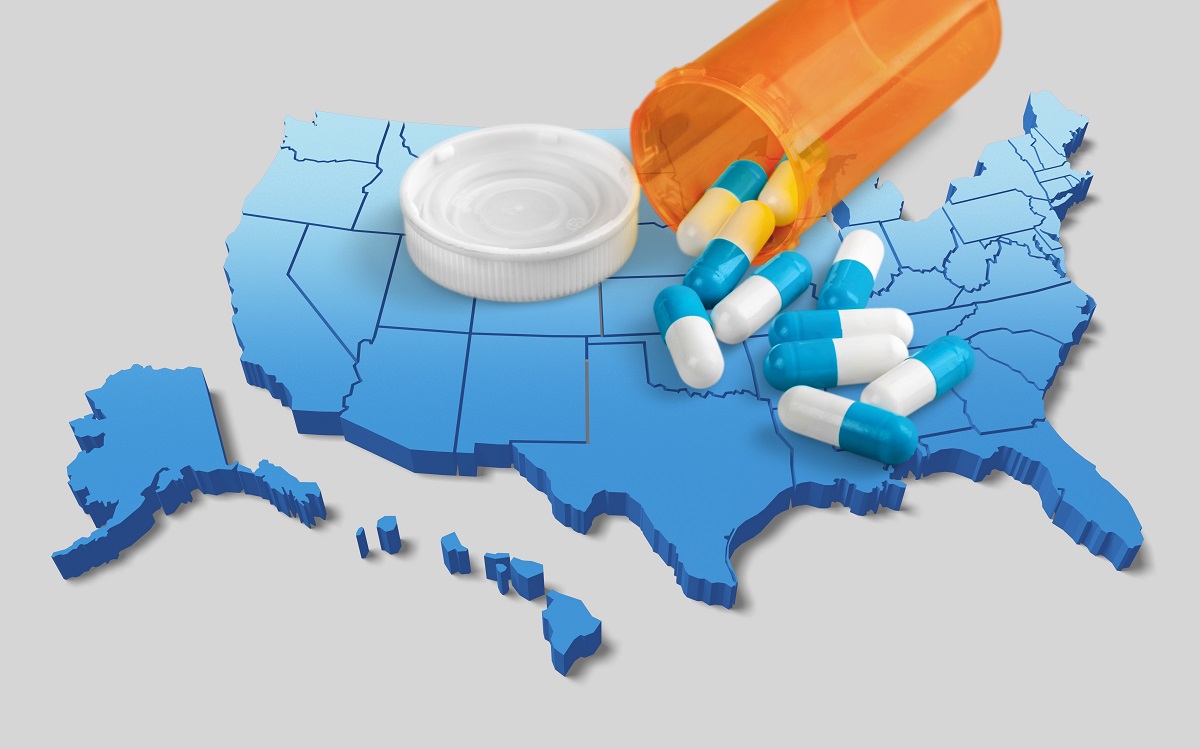
U.S. Policymakers have failed to adequately address the opioid crisis
Despite the escalating opioid epidemic, policymakers have failed to take the necessary steps to encourage use of safer alternatives for pain relief
Aggressive marketing of prescription opioids in the past have convinced many healthcare providers and patients that pain patients are not at risk of opioid addiction and that the drugs are highly effective, and these beliefs persist despite extensive evidence that neither are true, according to Perlin. Safer and more effective alternatives for acute pain include over-the-counter NSAIDs like ibuprofen and naproxen, cannabis and kratom, a Southeast Asian herb.
Perlin reports that treatment of chronic pain is best addressed by getting to the root of the problem, which may include muscle imbalances, chronic stress, unresolved trauma, nutritional deficiencies, an inflammatory diet, toxic substances or central sensitization (when the brain continues to send pain signals even when tissues have healed). Safe, effective treatments for pain conditions include acupuncture, biofeedback, chiropractic/osteopathic manipulation, herbs, massage, mind/body therapies, nutritional intervention, physical therapy, as well as therapies that speed tissue healing such as red/infrared light therapy, pulsed electromagnetic frequency therapy (PEMF) and/or microcurrent therapy. Use of safe, natural painkillers like cannabis and kratom can be continued until pain subsides.
“Despite the ever-escalating opioid overdose crisis which has reportedly claimed over 1 million lives, healthcare policymakers have failed to take the aggressive steps necessary to curtail the crisis. These include educating healthcare providers and patients about effective pain treatment alternatives and making them more affordable and accessible by requiring insurance coverage. Instead, healthcare authorities have continued to oppose federal legislation legalizing marijuana and have tried to ban kratom both domestically and internationally. They have given only lip service to encouraging use of other treatment alternatives”, says Perlin.
Marijuana and kratom have also been demonstrated to be opioid sparing. Opioid users who start using them tend to reduce or eliminate opioid use. Kratom, in particular, can smooth opioid withdrawal, helping addicts to more easily recover. It’s time for the FDA and CDC to embrace, rather than oppose, use of these substances, insists Perlin.
In addition to her ongoing work with the Alternative Pain Treatment Directory, Cindy Perlin is a Licensed Clinical Social Worker who speicalizes in treating chronic pain, a chronic pain survivor and the author of The Truth About Chronic Pain Treatments: The Best and Worst Strategies for Becoming Pain Free.
Cindy Perlin
Alternative Pain Treatment Directory
+1 518-439-6431
info@paintreatmentdirectory.com
Visit us on social media:
Facebook
Twitter
LinkedIn
YouTube
Legal Disclaimer:
EIN Presswire provides this news content "as is" without warranty of any kind. We do not accept any responsibility or liability for the accuracy, content, images, videos, licenses, completeness, legality, or reliability of the information contained in this article. If you have any complaints or copyright issues related to this article, kindly contact the author above.
