
Fintech in Lithuania: solid, mature, and focused on quality
With well-established brands expanding and newcomers choosing Lithuania for their operations – fintechs have generated more than 500 million EUR in revenue in 2021. That shows an increase of over 25% compared to 2020.
Ecosystem diversifies
While payments remain the primary function for Lithuania-based fintechs (31%), the market is getting more diverse: 18% of companies are working in financial software, 11% in lending, 10% in savings and investments, and 10% in digital banking.
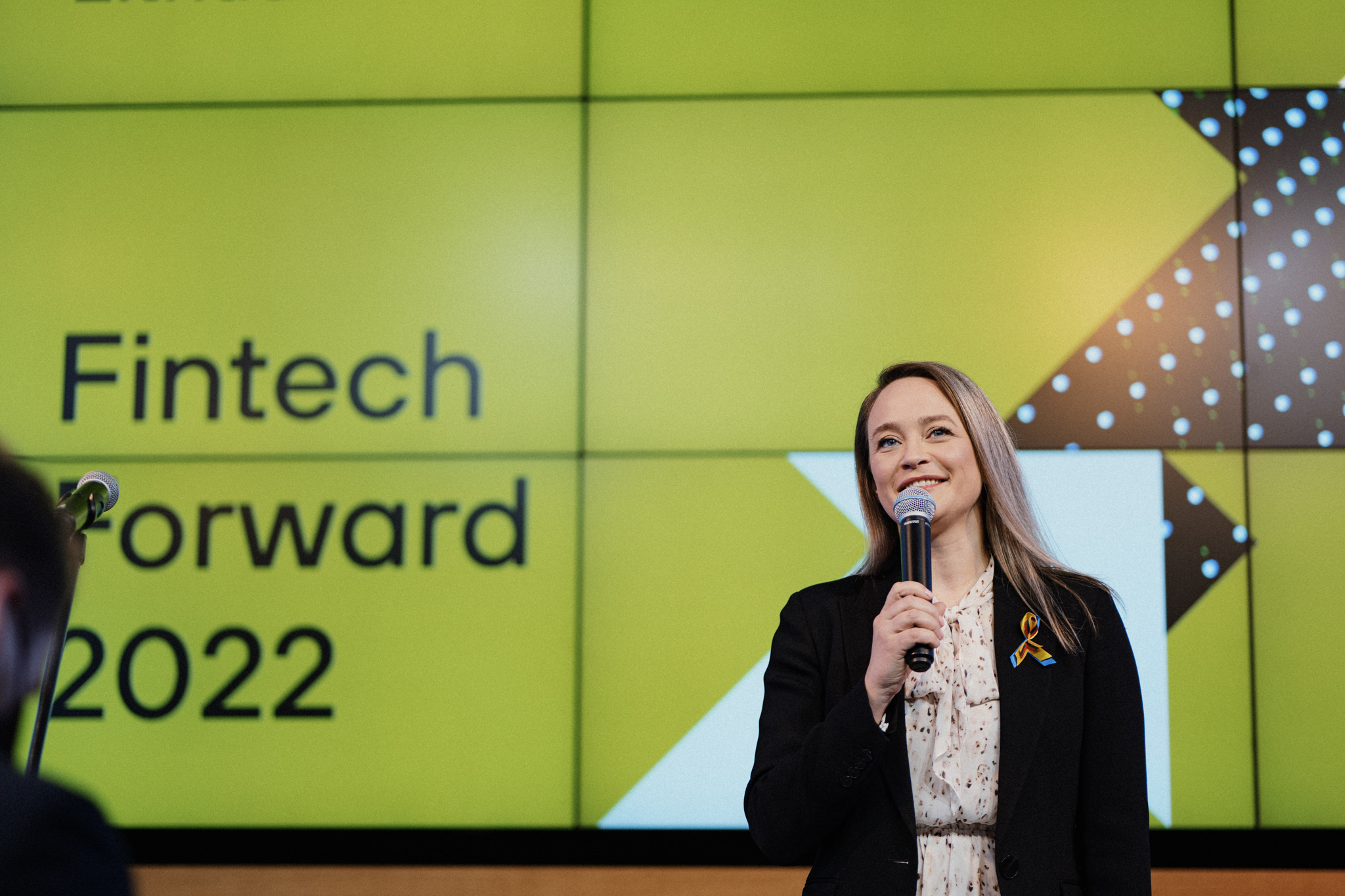
“More diversity comes hand in hand with a broader variety of competencies in the talent pool, and this is only a start: the Bank of Lithuania embarked on a mission to develop the country’s potential for Fintech solutions for capital markets, with a special emphasis on Crowdfunding, Wealthtech, and Green Finance sectors. So we have a lot to look forward to,“ said Gintarė Bačiulienė.
More focus on risk management and solid partnerships
Another sign of a healthy and responsible fintech ecosystem is attention to risk management. Lithuania established an AML Centre of Excellence in 2021 and ranks 9th globally among the lowest risk jurisdiction (AML Basel Index).
The number of professionals in the field is also steadily increasing, with more than 10,200 specialists qualified to work in AML/CTF, compliance or risk management related fields. 86% of the surveyed fintechs claim that last year they hired specialists with such qualifications.
Partnerships inside the industry and with different fields help companies diversify the offering of their products and create sustainable bonds in the sector. 77% of companies reported they have at least one fintech partner.
Partnerships are also thriving outside of the private sector, as Lithuania ranks 1st for university-business cooperation in Central and Eastern Europe. Here, the country’s best universities are partnering up with fintech companies for research and educational goals.
Head of Rockit, Lina Žemaitytė Kirkman, notes that with maturity and growth, fintech ecosystem brings financial inclusion too: „I am sure this will lead companies and services to the transformation that would ensure financial stability for many customers. And while it can take a longer time for more traditional players in the finance sector to become more inclusive, Fintechs’ agility allows them to lead the way, which is very much needed in today’s context.“
Legal Disclaimer:
EIN Presswire provides this news content "as is" without warranty of any kind. We do not accept any responsibility or liability for the accuracy, content, images, videos, licenses, completeness, legality, or reliability of the information contained in this article. If you have any complaints or copyright issues related to this article, kindly contact the author above.
