
THE MATCHA GRADE SCALE – IS MORE EXPENSIVE ALWAYS BETTER?

Yureeka Yasuda and SAYURI Matcha Latte
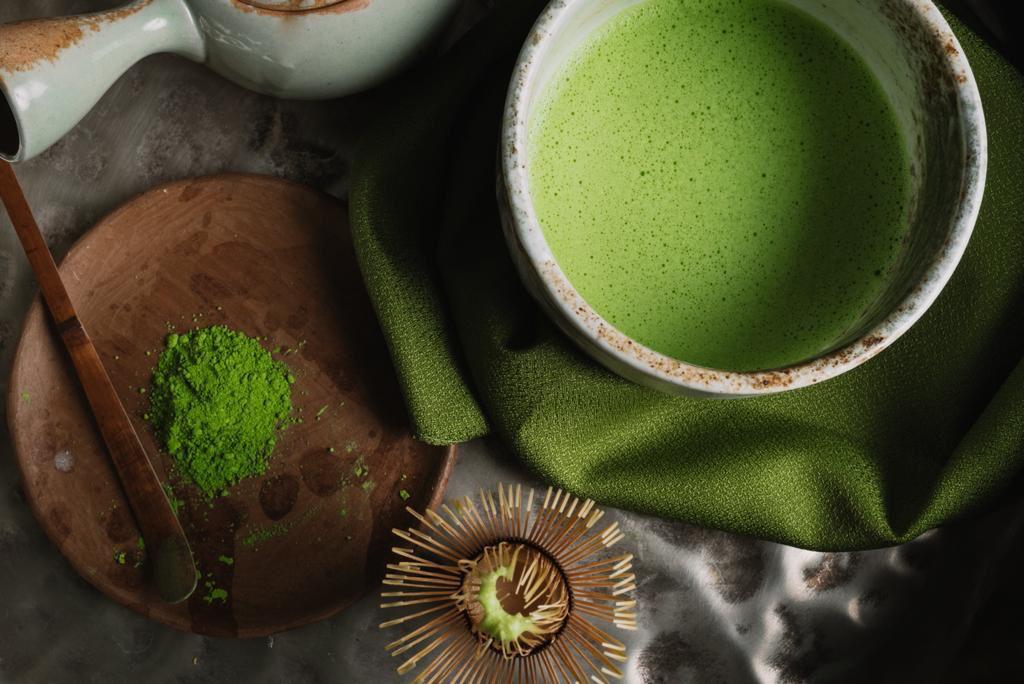
Making a Matcha Latte with Sayuri
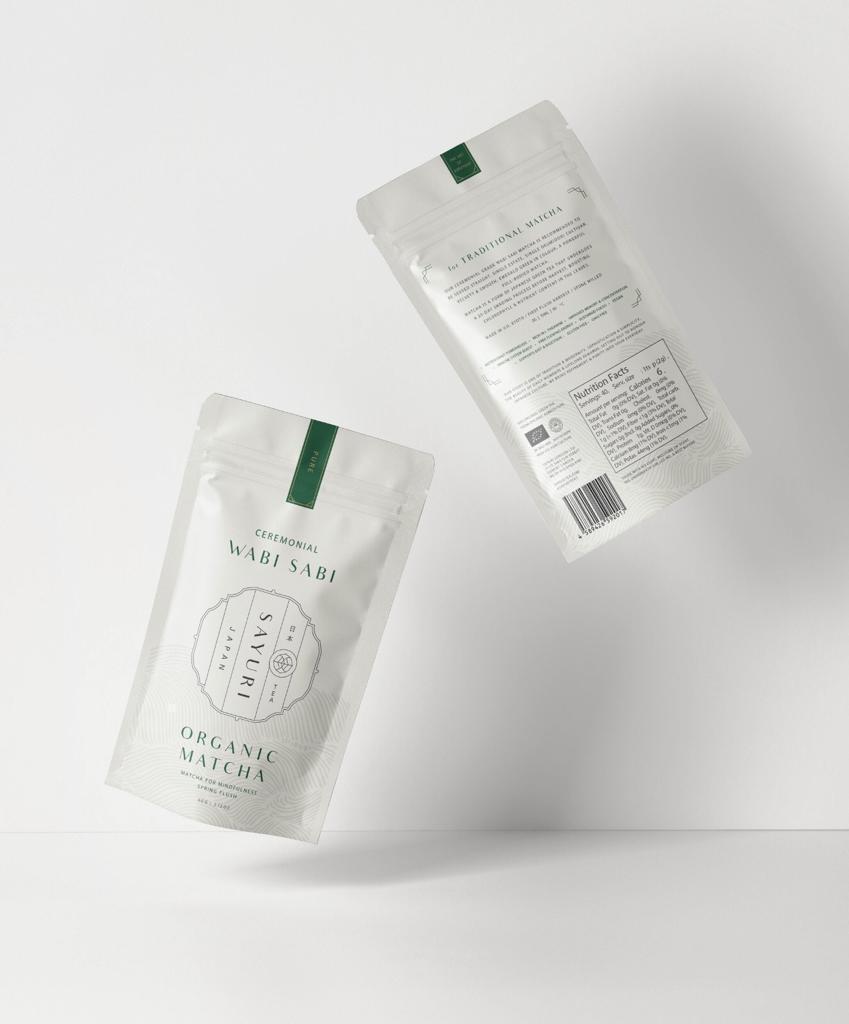
SAYURI branded Matcha products
The UK’s first female tea sensei and SAYURI founder, Yureeka Yasuda, takes us through her top 5 tips for choosing the perfect matcha.
As a certified tea sommelier I’ve learned first-hand what makes the best matcha, how to align that with individual's personal taste and how to avoid the products that give matcha a bad reputation.”
MAYFAIR, LONDON, UNITED KINGDOM, March 2, 2022 /EINPresswire.com/ -- Matcha has been part of Japanese culture for more than 800 years and was used for centuries by Zen monks to calm the mind, energise the body, refresh the spirit, and help achieve enlightenment. Fast forward to today, and the preparation and representation of chadō, or ‘the way of tea’, continues to be an integral Japanese cultural activity.— Yureeka Yasuda
Tokyo-born, UK-resident Yureeka Yasuda is the UK’s first female tea sensei, certified tea sommelier and owner of SAYURI, a mission-driven brand honouring Japanese traditions and promoting the health benefits of a daily tea ritual.
Yureeka makes time every day to prepare matcha in the traditional method, as an act of self-care and mindfulness. She encourages everyone to take five minutes each day to reconnect with themselves and shares her top 5 tips for incorporating ancient zen mindfulness into your daily routine.
Matcha is made by grinding shade-grown green tea leaves into a fine powder. It’s an antioxidant powerhouse that boosts the immune system and improves memory and concentration. However, not all matcha is created equal. Various growing methods and harvesting times will drastically change the final product's quality and taste. Therefore, if you've tried matcha and didn't like it, chances are it was poor quality.
Top 5 Tips for Choosing the Perfect Matcha
1. Think about the grade/ harvest
The quality of matcha is determined by terroir, cultivar (single or blend), cultivation process (hand or machine-picked), harvest (first, second or a blend) and process method (stone-milled or machine-pressed). While that seems confusing, each of those items plays into the grade of matcha. And there are generally two grades of matcha: ceremonial and premium.
For matcha beginners, I recommend ceremonial matcha which would use leaves from the first flush, or spring harvest. This shade growing method results in a richer, sweeter flavour of matcha tea. With this grade, only the young delicate tea leaves are harvested, and those contain more chlorophyll, photo nutrients, caffeine, and l-theanine than the older tea leaves which are harvested later in the year. Try it straight or diluted down with water (like an “americano”) as the delicate nuances and pure aroma will be smothered by the addition of milk, sugar or soy products.
If you find that pure ceremonial matcha is a too intense in flavour (or too pricey for everyday use), I suggest buying premium matcha (usually a mixed flush of spring and other harvests) and enjoying it as a latte. Also note that grade classification and pricing is entirely up to the individual brand, so always purchase matcha from a trusted, authentic source who can verify where they get their matcha from, how it is grown, how the grade is selected and how it is processed.
2. Check the colour
This is the easiest quality for amateur matcha drinkers to look out for. High quality matcha typically results in a more vibrant, brilliant green! This indicates the leaves were grown in shade, which is what gives matcha its superior health benefits (up to 137 times more antioxidant than a low-grade green tea) heading the leaves allows the chlorophyll (green pigment) and all its nutritional properties to move upwards to the tips of the leaves in search of light.
A dull colour can indicate the leaves were picked late, after they’d been exposed to sunlight. And this means less health benefits, less subtle, nuanced flavours and less enjoyment! Also, matcha that has been oxidized by improper storage or air exposure during the production can make it turn pale or brown. As a good rule, matcha that is sold in glass jars or clear plastic containers is a bad sign and should be avoided! Even the highest quality matcha will quickly degrade if not properly packaged.
3. Trace its origin/ is it organic?
Matcha is to Japan as Champagne is to France, therefore anything produced outside of Japan is often not monitored and may simply be ‘powdered green tea’. While this might seem simply like an affectation, it’s far more than that.
There are several highly reputed growing regions across Japan, including Shizuoka, Uji, and Kagoshima. For me, the importance of knowing the source farm location and having relationships with the growers comes from knowing that the Japanese producers SAYURI have contract fields with are reliable, family owned for generations, and adhere to the traditional matcha growing, harvesting, and processing methods.
4. Pick your flavour (hint, it shouldn’t be bitter!)
Taste and smell are equally important indicators of a quality matcha. You should be able to enjoy a natural round sweetness due to a higher concentration of L-theanine, which also creates a savoury taste known as ‘umami’. Of course, products will vary a little in terms of the balance of umami, sweetness, and bitterness flavour profiles. But your matcha should always be pleasant to drink with a fresh and grassy aroma. There should be little bitterness and no harsh robustness that lower grade matcha often has.
5. Consider the process
Purity and traceability are important for a quality matcha, as are the harvesting and grinding processes. Once the tea leaves are ready for harvest, they can be picked by hand or machine, then steamed and dried. The leaves are then sorted by grade, with the best ones selected for ceremonial grade matcha products. The final step is stone-grinding the leaves into a super fine powder.
If the texture of your matcha is gritty, there is a chance it may be a lower quality matcha that was ground by machine. Grinding that is too harsh or that creates too much heat will actually burn the tea leaves and increase its oxidation, resulting in low-grade matcha, regardless of its initial harvest.
Sadly, if your matcha was cheap, chances are it’s not genuine matcha as the correct processes may have been accelerated or even skipped. In saying that, some companies simply charge higher, hoping that consumers will think their product is premium. It's best to buy off a reputable supplier instead.
Images: https://www.dropbox.com/sh/9i567gh70q232nx/AABUr4CUq2D4Rr9H2YZdfIEba?dl=0
or email Renae Smith at The Atticism
Renae Smith
The Atticism PR
+44 7366 565213
renae@theatticism.com
Visit us on social media:
Facebook
LinkedIn
Other
Legal Disclaimer:
EIN Presswire provides this news content "as is" without warranty of any kind. We do not accept any responsibility or liability for the accuracy, content, images, videos, licenses, completeness, legality, or reliability of the information contained in this article. If you have any complaints or copyright issues related to this article, kindly contact the author above.
