
How to Shop Safely While Shopping Local
Driving change through advocacy, collaboration and innovation.
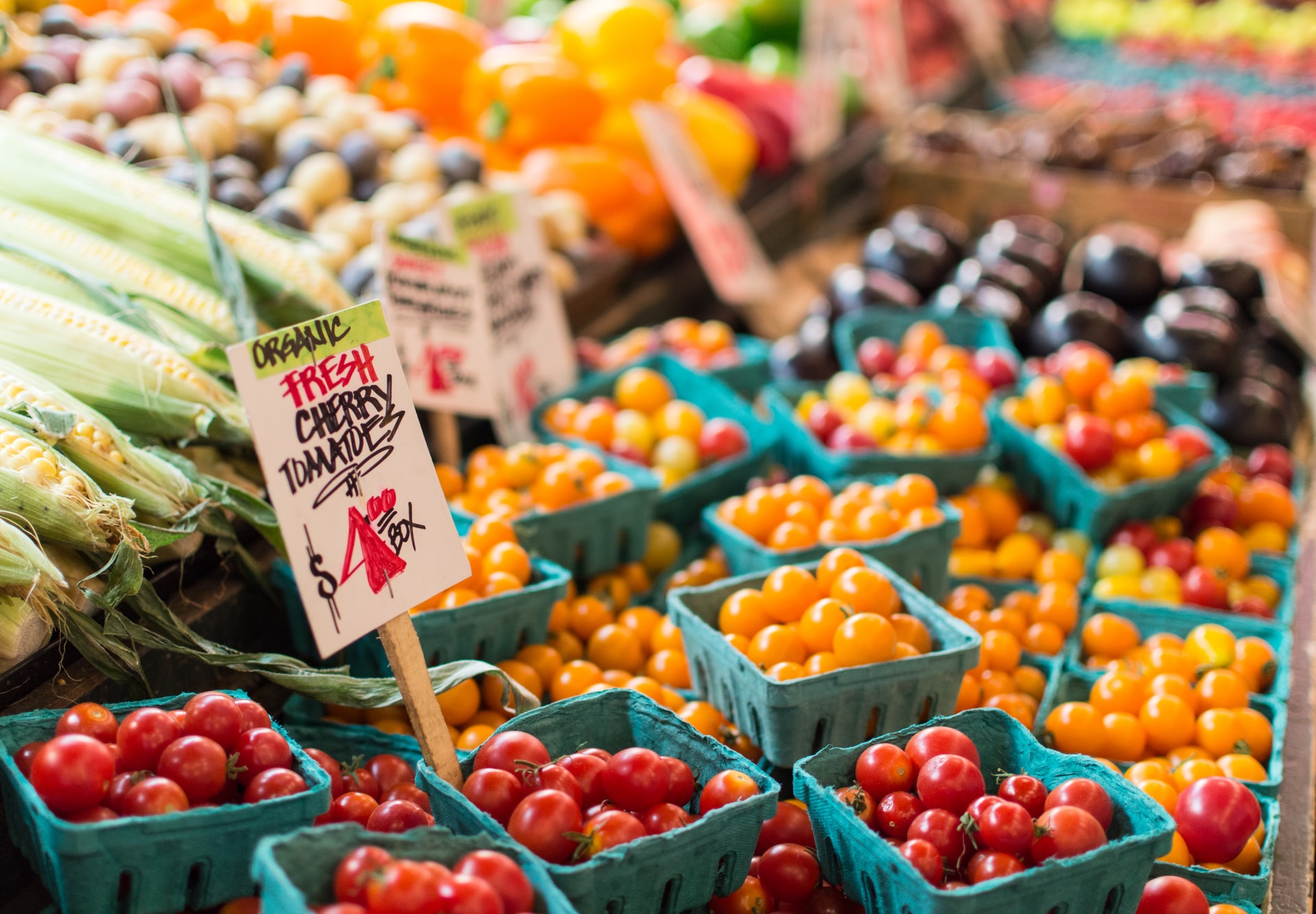
Photo by Anne Preble on Unsplash
Pointers for Your Farmers Market Shopping, from Stop Foodborne Illness
CHICAGO, ILLINOIS, USA, July 20, 2020 /EINPresswire.com/ -- In times as isolating as these, city-dwellers may find a sense of community in neighborhood farmers markets as they begin to reopen across the nation. National nonprofit public health organization, Stop Foodborne Illness, which is based in Chicago, has a mission to prevent illness and death caused by foodborne pathogens. They are here to remind you that no matter where you shop – the neighborhood grocery store or the local farmers market – food safety is an important part of your life. With a little preparation and attention, you and your family can thoroughly enjoy the farmers market this summer.According to the City of Chicago’s website, the Department of Cultural Affairs and Special Events is “working with market organizers to put in place public health safeguards, guidelines and processes to ensure markets can safely resume when permitted by the City of Chicago and the Department of Public Health.” Some farmers markets have been postponed indefinitely, and some have gone entirely virtual with delivery and pick-up options. Meanwhile, others have reopened in recent weeks, adopting COVID-19 protocols that limit hours, occupancy, payment options, and physical contact between vendors, products, and shoppers.
COVID-19 or not, the most important food safety protocol after shopping at farmers markets is to always, always wash your purchased produce at home. While many foods purchased at farmers markets are marketed as fresher than your average supermarket options, that does not make them any safer. Organic foods that are free of pesticides, chemicals, hormones, and other additives, are not necessarily free of pathogens like E. coli, Listeria, or Salmonella. You must wash your produce when you bring it home from the market, just like the veggies and fruit you purchase at any supermarket.
If, while perusing the market, you’re eating foods prepared there look for these indicators of a food safety-minded vendor:
● CLEANLINESS: Vendors wearing gloves, hairnets, and/or clean aprons.
● CERTIFICATION: There is a certification notice prominently displayed, showing that the vendors have training in food safety.
● TEMPERATURE CONTROL: Cold foods are cold, like meats, eggs, cheeses, and other dairy products. Especially on summer afternoons, these foods should feel as though they have come straight from the fridge. Likewise, hot foods like sample-sized burgers, soups, and other foods cooked on site, need to be hot. On sweltering days, be mindful of open jars for sauces, jams, salsas, or pickle tastings. When the temperatures are above 90ºF, sample foods – cooked or jarred – should not be left out for more than an hour. When left out for longer in these high temps they enter the danger zone (41ºF -135ºF), a prime environment for bacteria to multiply. (Note: Samples may be rare in 2020, in an effort to minimize physical contact between vendors and shoppers, as well as limiting time spent lingering with a mask off to eat the sample.)
● CLEAR LABELS: Ciders, juices, or dairy products are clearly labeled as pasteurized. Unpasteurized (raw) dairy and juices are a major food safety gamble, with an increased risk of containing unwanted pathogens.
The responsibility to ensure food safety at the farmers market does not lie solely on the vendors. You must also be prepared. Find your farmers market online and read up on their specific guidelines, especially now that COVID-19 is still a danger. On hot days, complete all your other errands first and visit your farmers market last so that your fresh produce does not sit in a hot car for too long. For highly perishable items, bring a cooler or an insulated bag filled with ice to keep items chilled for the ride home.
Farmers markets are a wonderful way to support your community and local economy. As these markets reopen in cities and towns across the country, Stop Foodborne Illness asks you to have fun AND be cautious and prepared. With a little effort, food safety will become second nature to you and your family.
Stop Foodborne Illness is a national nonprofit public health organization whose mission is to support and engage people directly impacted by foodborne illness and mobilize them to help prevent illness and death by driving change through advocacy, collaboration and innovation. https://stopfoodborneillness.org/ ###
Dori Wilson PR for
STOP Foodborne Illness
+1 312-965-7575
email us here
Legal Disclaimer:
EIN Presswire provides this news content "as is" without warranty of any kind. We do not accept any responsibility or liability for the accuracy, content, images, videos, licenses, completeness, legality, or reliability of the information contained in this article. If you have any complaints or copyright issues related to this article, kindly contact the author above.
