
Microgrid Electricity Using Innovative Technology From Brunel University and SolarBotanic
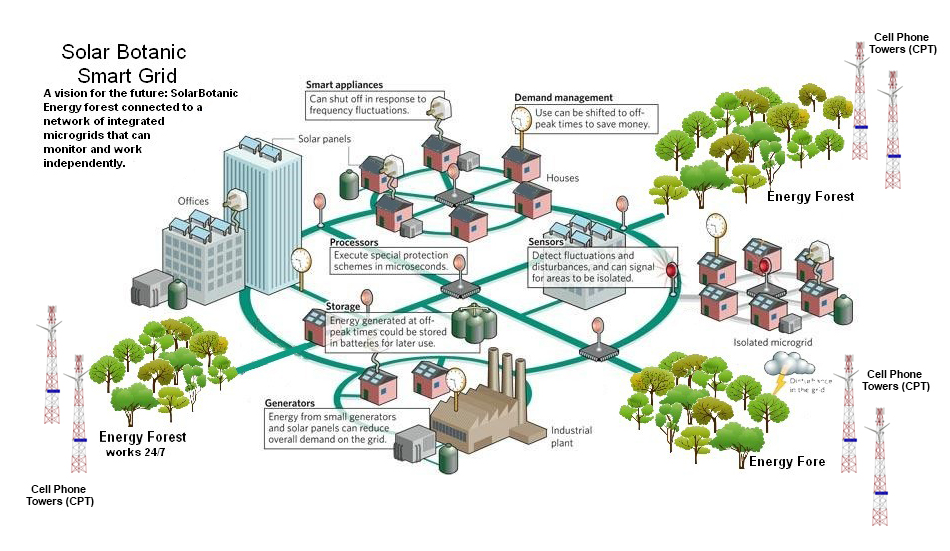
Mobile Phone Towers Double As Green Energy Stations And Can Be Used To Bring Electricity To Isolated Areas At A Much Lower Cost Than Was Previously Possible
LONDON, UNITED KINGDOM, May 15, 2017 /EINPresswire.com/ -- Cut-off communities across Europe pay more for electricity with greater cost to the environment because their tricky locations force them to rely on diesel generators.
But researchers have now found a way to supply them cheap, clean renewable energy by collecting and storing solar energy from their mobile phone base stations.
It could bring cheaper, cleaner fuel to thousands in remote places like in mountains or on Europe’s many tiny islands and at the same time make them more self-sufficient.
Developed by Brunel University London and green energy tech firm,
SolarBotanic, Regenerative Hydrogen Fuel Cells (RHFCs) offer an environmentally-friendly way to store power from solar panels and wind turbines.
“Faced with unreliable power grids, or without a grid at all, telecom infrastructure companies want alternatives to high cost, high maintenance fossil fuels,” said Brunel’s Zahir Dehouche, a sustainable energy specialist. “RHFC systems are the answer.”
The fuel cells convert excess electricity from the solar panels and wind turbines into hydrogen that is stored on-site. This way, they cut out fuel used to transport the stored energy to these remote areas. The hydrogen fuel is stored in a tank and delivered to the fuel cells to generate electricity when needed, for instance when there’s not enough wind or solar power.
The system generates enough energy from solar panels and a wind turbine half way up the phone mast, to both power the mast and store to supply the community as a microgrid. The cells can supply power for 10 days and don’t need back up from a battery or diesel generator. They last longer than 15 years and are more secure and reliable than diesel systems backed up by battery and they are designed to blend in with the natural environment.
“This radical innovation provides the opportunity for a never-before-seen degree of energy autonomy, all the while significantly reducing cost, both financially and in terms of environmental impact”, said SolarBotanic’s Harry Corrigan.
Ends
Notes to editors
The research will be presented at the 3rd International Conference of Hydrogen Energy at the University of Surrey (Guildford, England) from 11-13 September 2017.
For more on SolarBotanic, visit www.solarbotanic.com
harry corrigan
solarbotanic
7859298054
email us here
Legal Disclaimer:
EIN Presswire provides this news content "as is" without warranty of any kind. We do not accept any responsibility or liability for the accuracy, content, images, videos, licenses, completeness, legality, or reliability of the information contained in this article. If you have any complaints or copyright issues related to this article, kindly contact the author above.
