
The New Epidemic That’s Impacting Our Hormones, Waist Lines and Cognitive Abilities: Loneliness
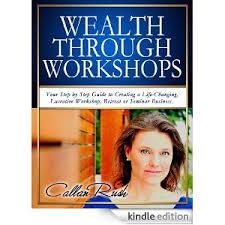
Wealth Through Workshops Free PDF Download
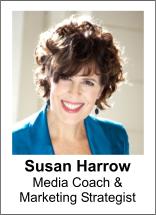
Media Trainer & Author of Sell Yourself Without Selling Your Soul
The NYT reports that 1 in 3 people over the age of 45 would describe themselves as “chronically lonely.” This modern epidemic is impacting our genetic coding
Something magical happens w/ the live group experience; bonding, connection, learning from one another, sharing, making friends, community building. Live events transform people at the cellular level.
SAN RAFAEL, CA, USA, October 2, 2014 /EINPresswire.com/ -- The New York Times reports that 1 in 3 people over the age of 45 would describe themselves as “chronically lonely.” — Callan Rush
Other reports paint an even bleaker picture. The Globe states that in the United States, 40% of people say they’re “lonely” — a figure that has doubled over the past 30 years.
The Merriam-Webster Dictionary defines the word “lonely” as “sad from being apart from other people,” “being without company” and “cut off from others.”
Most of us already know what it means — and we’re all too aware of what it feels like.
But what are the deeper effects of “chronic loneliness?”
How is this modern epidemic impacting our lives, our bodies... even our genetic coding?
As The Atlantic reports, the impact is real. It’s significant. And it’s bad.
“Being lonely is extremely bad for your health. If you’re lonely, you’re more likely to be put in a geriatric home at an earlier age than a similar person who isn’t lonely. You’re less likely to exercise. You’re more likely to be obese. You’re less likely to survive a serious operation and more likely to have hormonal imbalances. You are at greater risk of inflammation. Your memory may be worse. You are more likely to be depressed, to sleep badly, and to suffer dementia and general cognitive decline.”
Even more disturbing, new evidence suggests that being chronically loneliness impacts more than your mood, your memory and your waist line. It can actually alter your DNA.
John Cacioppo, the director of the Center for Cognitive and Social Neuroscience at the University of Chicago, explains it well:
“Loneliness affects not only the brain [...] but the basic process of DNA transcription. When you are lonely, your whole body is lonely.”
The evidence is crystal-clear:
Loneliness is dangerous to our health, and it’s a rising epidemic.
So, what can we do about it?
“A lot,” says Susan Harrow, a media trainer and author of Sell Yourself Without Selling Your Soul who specializes in the art of connection. “While the stats are grim, this epidemic can actually be perceived as a huge opportunity.”
“People are hungry for meaningful conversations and real, face-to-face connection. Live events. Group gatherings. Intimate workshops, retreats and experiences. Whether you’re an entrepreneur, author, small business owner or a yoga teacher, there are so many ways to serve this growing need. You can start today.”
5 ways to lose loneliness.
1. Throw a “salon.”
During the French literary and philosophical movements of the 17th and 18th centuries, throwing a “salon” — an intimate gathering of like-minded people, coming together to eat, drink, listen to music and discuss the important issues of the day — was commonplace.
“Whatever happened to this tradition?” asks Harrow. “It’s time for a revival.”
Throwing a salon, a dinner party, a block party, or even hosting a weekly co-working date in your living room can create a tremendously positive ripple effect.
“It feels good to do, and you create a beautiful experience for others, too.”
2. Teach a class.
You don’t have to be the world’s foremost expert in order to teach a class. You just need to know something valuable — and be willing to share what you know.
Event production expert Callan Rush, whose clients have raked in millions, leading high-impact workshops around the world, says, “Live events are NOT dead.” Quite the opposite.
She says, “Something magical happens with the live group experience; bonding, connection, multiple perspectives, learning from one another, sharing, making friends, community building… not feeling like you are alone in the world. […] Live events transform people at the cellular level.”
Rush’s latest free guidebook offers step-by-step tips on how to plan powerful events and sell tickets — even with little-to-no previous experience.
3. Just go... out!
Take a walk... without your smartphone. Sit in a coffee shop... without your computer. Strike up a conversation... with your grocery bagger.
“I recently started chatting with a guy who practices at my martial arts dojo,” says Harrow. “We’ve been training together for months, but hardly ever spoke. Finally, we did! Turns out, our careers are very complementary. We’ve found a way to collaborate. All just because I started a conversation.
4. Create tech-free time.
Take a digital sabbatical. Commit to being present with friends and family around the dinner table — no texting during mealtime. “The irony is that all of the social media that supposedly brings is together can often drive us apart. We all need to unplug more,” says Harrow.
5. Examine your relationship with social media.
“I know a successful author and business owner who recently cut all ties with social media,” says Harrow. “She said it was making her feel distracted and disconnected.”
“Since dropping away, her business hasn’t suffered at all. In fact, she’s writing a lot more, her audience size is growing, and people are fascinated by her Facebook-free lifestyle. She gets requests from the media, just to talk about it!”
People have survived — and thrived — for thousands of years without social media. Falling in love. Raising children. Building cities. Running businesses.
“It’s a tool, and like any tool, it has pros and cons,” adds Harrow. “If you feel like your quality of life is suffering because of it… examine that. And maybe downshift your usage. Or, like my colleague, just quit it.”
The cure to the loneliness epidemic? It’s simple.
Be with humans. No “interface.” Face to face.
As a media trainer and marketing strategist, Susan Harrow has been featured in: The New York Times, USA Today, The Washington Post, The Boston Globe, The Chicago Tribune, The Christian Science Monitor, Inc., CNN, Advertising Age, Woman’s Day, Ladies’ Home Journal, Entrepreneur, Salon Magazine, Pink, and on CNBC. True Fact: She was almost sold into slavery to a Bedouin Sheik for 10 camels and a mule.
She is a partner for Wealth Through Workshops, a new program on how to plan powerful live events and sell tickets — even if you’re not “famous.”
Susan Harrow
Harrow Communications
888.839.4190
email us here
Legal Disclaimer:
EIN Presswire provides this news content "as is" without warranty of any kind. We do not accept any responsibility or liability for the accuracy, content, images, videos, licenses, completeness, legality, or reliability of the information contained in this article. If you have any complaints or copyright issues related to this article, kindly contact the author above.
