
Piping Material Selection Affects System Longevity and Performance
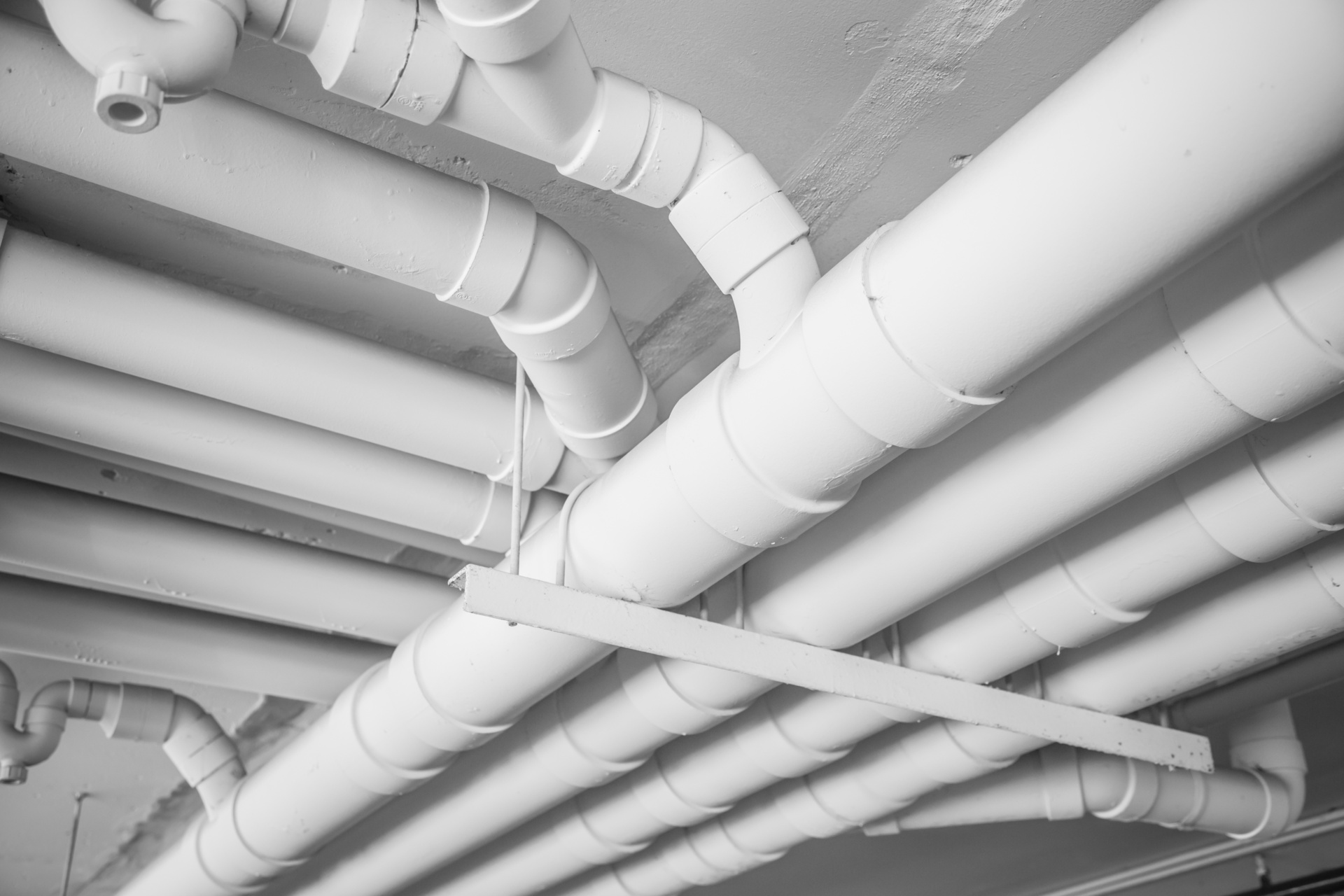

Piping materials should be matched to the system, the environment, and the type of load the pipe is expected to handle”
SLIDELL, LA, UNITED STATES, May 14, 2026 /EINPresswire.com/ -- Piping materials play an important role in the longevity, performance, maintenance needs, and efficiency of plumbing, HVAC, drainage, gas, and mechanical systems. The material selected for a piping system can influence corrosion resistance, pressure tolerance, temperature handling, water flow, installation methods, repair frequency, and long-term system behavior.— George Lingo
Piping is often hidden behind walls, above ceilings, beneath slabs, in mechanical rooms, inside attics, or underground. Because much of the system remains out of sight after installation, material selection during construction, renovation, or replacement can have lasting effects. A pipe may appear simple from the outside, but its material properties determine how it responds to heat, cold, moisture, chemicals, minerals, pressure, movement, and age.
Common piping materials include copper, PEX, PVC, CPVC, galvanized steel, black iron, stainless steel, cast iron, and various specialty materials used in mechanical and industrial applications. Each material has strengths, limitations, and appropriate uses. A material that works well for one application may not be suitable for another.
“Piping materials should be matched to the system, the environment, and the type of load the pipe is expected to handle,” said George Lingo with LOUMIS Air, who services multiple locations in Louisiana and Mississippi. “Temperature, pressure, corrosion exposure, water chemistry, equipment requirements, and installation conditions all affect how a piping system performs over time.”
One of the main ways piping material affects longevity is through corrosion resistance. Metal pipes can react differently to water chemistry, soil conditions, moisture exposure, and oxygen levels. Copper is often used in water supply systems because of its durability and heat tolerance, but certain water conditions may contribute to corrosion or pinhole leaks. Galvanized steel, once common in older buildings, can develop internal corrosion and mineral buildup over time, reducing water flow and increasing maintenance concerns.
Plastic piping materials also vary by application. PVC is commonly used for drainage, venting, and certain water-related systems, while CPVC can handle higher temperatures in approved applications. PEX is often used for water distribution because of its flexibility and resistance to certain forms of scale buildup. However, plastic piping must be selected according to temperature ratings, pressure requirements, code approval, chemical exposure, and installation conditions.
Temperature is another major factor. Hot water lines, hydronic systems, refrigerant lines, condensate drains, gas piping, and drainage systems each involve different temperature and pressure conditions. Materials exposed to heat may expand, contract, soften, or become stressed if used outside intended limits. Thermal movement must also be considered, especially in long pipe runs or areas with changing temperatures.
Pressure handling is equally important. Water supply lines, refrigerant lines, gas lines, and mechanical piping systems must be rated for the pressures expected during operation. Undersized or improperly rated materials can create performance concerns, code issues, and premature failure. Pressure changes can also affect fittings, joints, valves, and connection points.
Flow performance can also be influenced by piping material. Interior pipe surface, diameter, scale buildup, corrosion, fittings, and layout can affect how efficiently water, air, refrigerant, gas, or waste moves through a system. In older piping systems, internal buildup can reduce capacity even when the outside of the pipe appears intact. Reduced flow may lead to pressure changes, slow drainage, poor equipment performance, or recurring service issues.
Installation methods also affect long-term performance. Some materials require soldering, threading, solvent welding, crimping, clamping, pressing, fusion, or mechanical fittings. Each method has specific requirements. Proper preparation, support spacing, expansion allowances, clean cuts, correct fittings, and code-compliant installation all influence the integrity of the system.
Environmental conditions should also guide material selection. In Louisiana and Mississippi, humidity, heavy rainfall, soil moisture, storm exposure, salt air in coastal regions, high attic temperatures, and shifting ground conditions can affect piping systems. Pipes installed in unconditioned spaces may face condensation, heat exposure, freezing risk during rare cold events, or physical damage during maintenance activity.
Chemical exposure is another consideration. Drainage systems, commercial kitchens, mechanical rooms, medical facilities, manufacturing spaces, and cleaning operations may involve substances that affect pipe materials differently. Some chemicals may weaken plastic, corrode metal, damage gaskets, or affect sealants. Material compatibility helps reduce premature deterioration.
Piping material also influences maintenance and repair planning. Some materials are easier to access, cut, modify, or replace than others. Older materials may require special handling, especially when connected to newer systems. Mixed-material piping systems may also require attention to compatibility, fittings, and corrosion prevention.
Building codes and manufacturer specifications remain important parts of material selection. Approved use, pressure ratings, temperature limits, fire safety requirements, support requirements, and joining methods may vary depending on the system and location. A material should not be selected based only on cost or familiarity. The full application must be reviewed.
For HVAC and mechanical systems, piping plays a direct role in system performance. Refrigerant lines, condensate drain lines, gas piping, chilled water piping, and hydronic lines each require proper material selection and installation. A poor match between material and application can affect efficiency, drainage, equipment operation, and service life.
Long-term piping performance depends on more than the pipe itself. Design, sizing, layout, slope, supports, connections, insulation, expansion control, protection from damage, and ongoing maintenance all contribute to system behavior. Still, material selection remains one of the earliest and most important decisions in the process.
As buildings age and systems are repaired, renovated, or replaced, understanding piping materials can help guide more informed decisions. A pipe is not simply a pathway. It is a working component of a larger system. The material selected determines how that system handles daily use, environmental exposure, maintenance, and time.
Morgan Thomas
Rhino Digital, LLC
+1 504-875-5036
email us here
Visit us on social media:
Facebook
Legal Disclaimer:
EIN Presswire provides this news content "as is" without warranty of any kind. We do not accept any responsibility or liability for the accuracy, content, images, videos, licenses, completeness, legality, or reliability of the information contained in this article. If you have any complaints or copyright issues related to this article, kindly contact the author above.
