
Changing Weather Patterns Influence Roofing Design Considerations in Coastal Florida
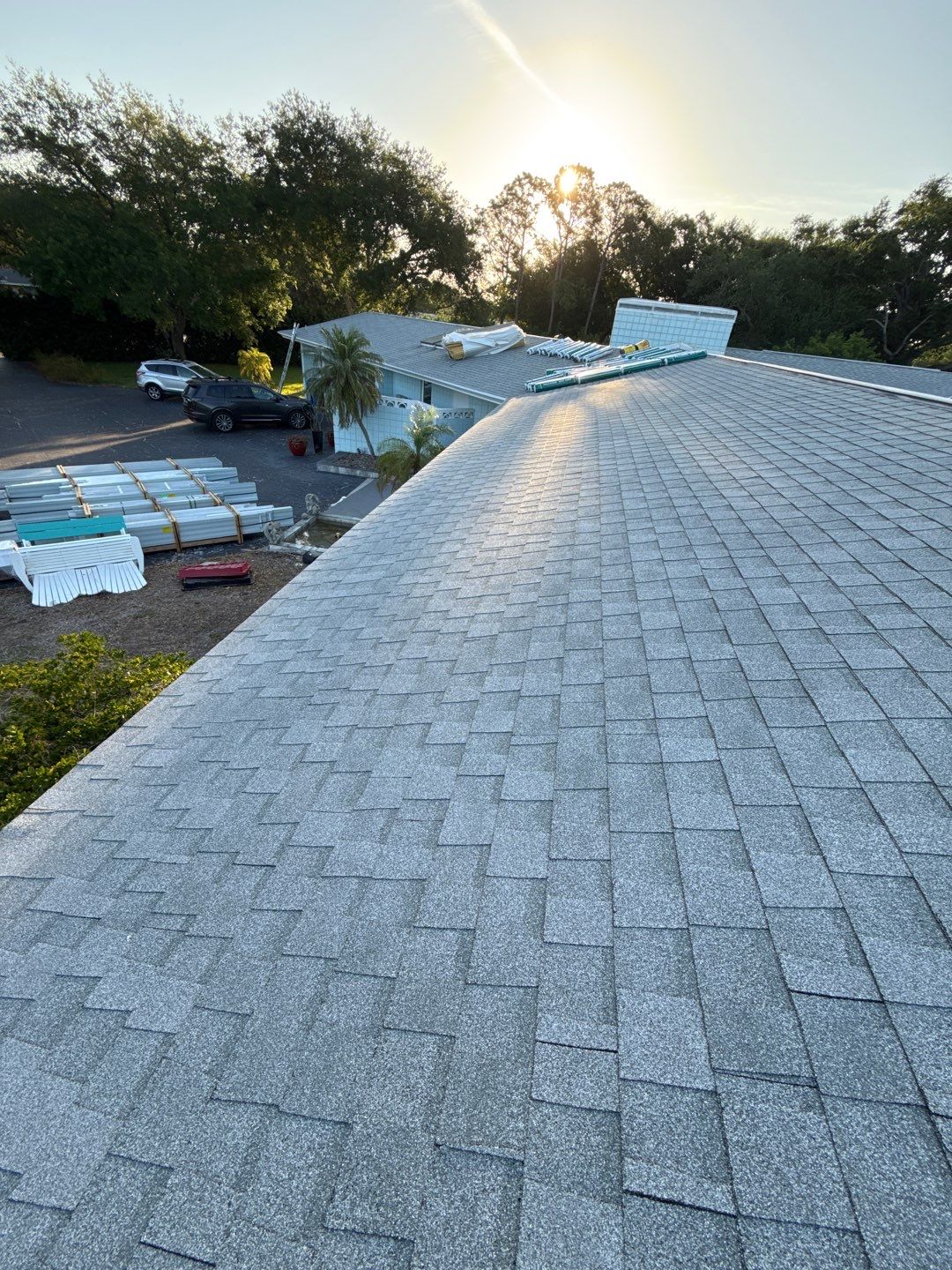
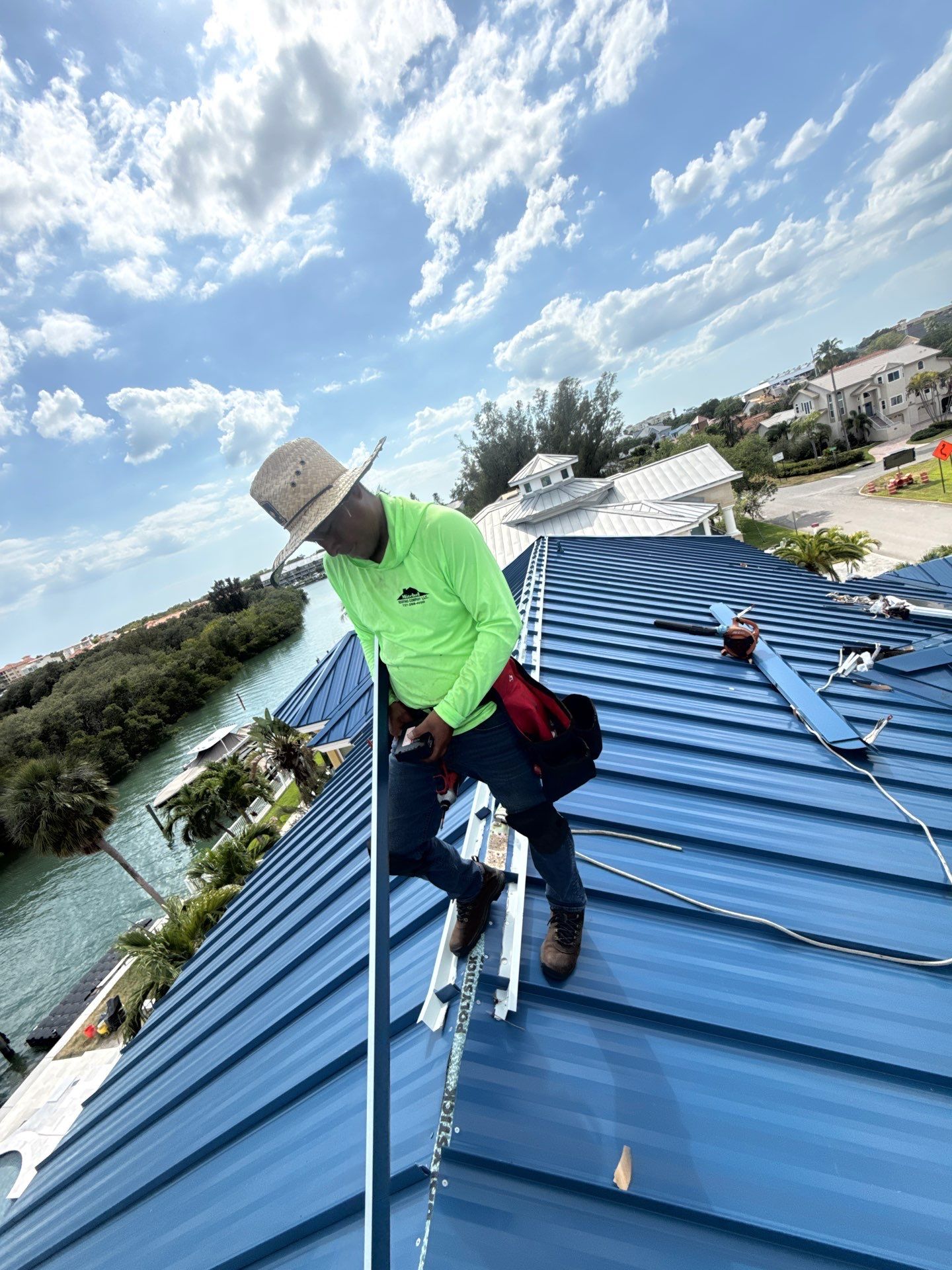
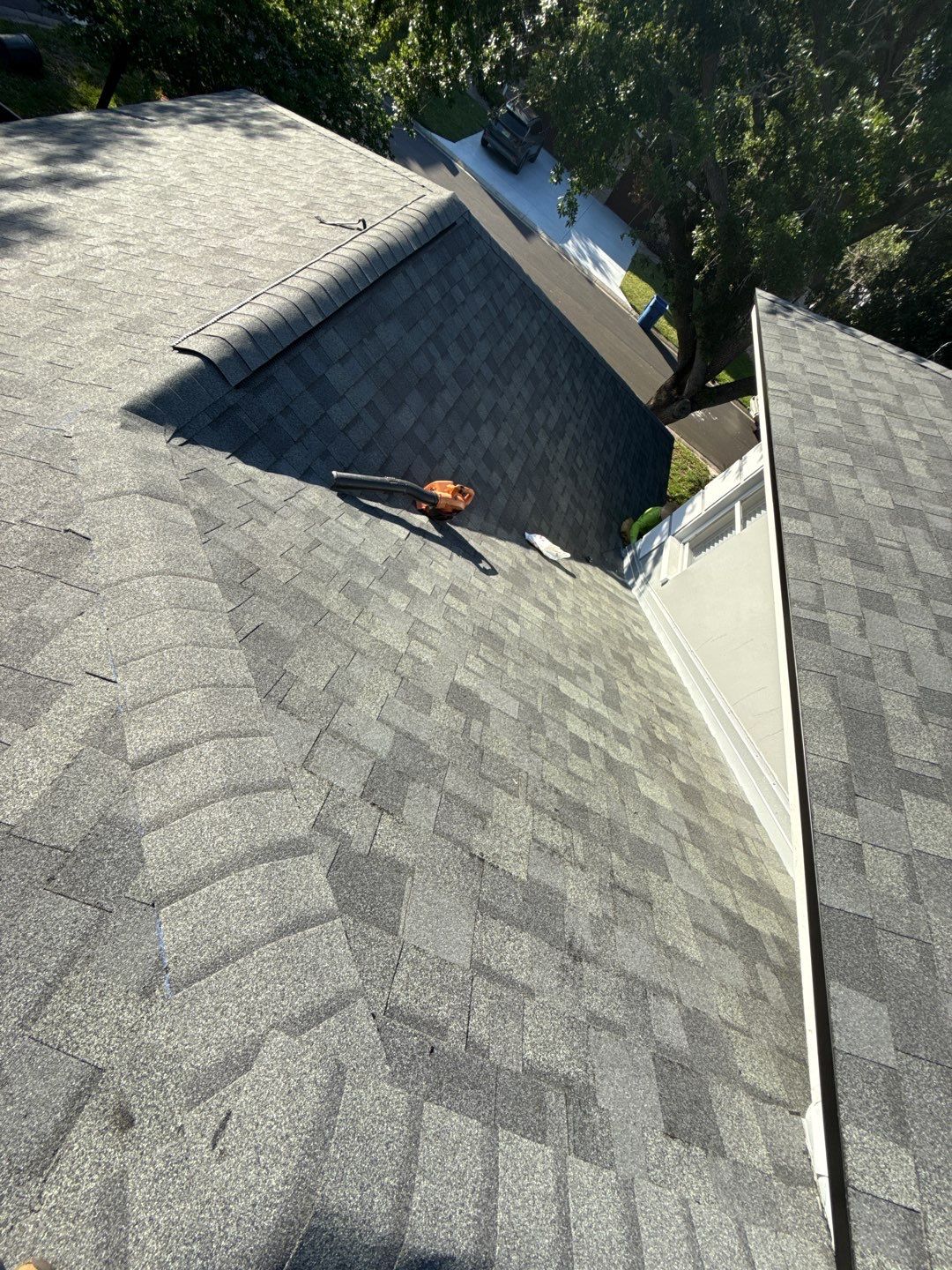
Spring weather patterns along Florida’s Gulf Coast are starting to shift in noticeable ways.
ST PETERSBURGH, FL, UNITED STATES, April 23, 2026 /EINPresswire.com/ -- Spring weather patterns along Florida’s Gulf Coast are starting to shift in noticeable ways. Storms are bringing heavier rain and stronger winds in shorter periods of time. These changes are placing new stress on roofing systems across the St. Petersburg area.Roofing professionals, including Mitchell Roofing Company, are reporting more early signs of wear during routine inspections. Moisture buildup, debris impact, and drainage issues are appearing more often than in past seasons. These patterns suggest that current conditions are revealing the limits of traditional roofing design.
These developments are drawing increased attention to how roofing systems are planned and built in coastal regions.
Wind Load Assumptions No Longer Match Spring Storm Behavior
Spring storms along Florida’s Gulf Coast are changing how wind hits a roof. Sudden gusts now arrive in short, intense bursts rather than a steady buildup over time. Older wind maps fail to reflect this shift, which leaves some roofing systems exposed to unexpected stress.
Engineers are adjusting how roofs are secured to handle these sharper wind events. Fastening patterns and edge details are receiving closer review as uplift forces become less predictable. Field observations from Mitchell Roofing Company reflect a wider industry shift toward rethinking how wind resistance is calculated.
Rainfall Intensity Is Redefining Drainage Planning
Heavy rain now hits fast and hard across the St. Petersburg area. Storms drop large amounts of water in minutes instead of hours. Older drainage systems were never built for this kind of sudden flow.
Gutters and downspouts are getting overwhelmed during these quick bursts. Water spills over the edges and starts to pool on the roof surface. That extra weight and moisture increase the risk of leaks and structural strain.
Roofing plans are shifting toward faster water runoff from the surface. Wider channels and improved drainage paths are becoming more common in new designs. This change reflects a growing need to manage water as quickly as it arrives.
Humidity Cycles Are Accelerating Material Breakdown
Heat and humidity keep shifting back and forth across coastal Florida. Roofing materials soak in moisture, then dry out fast under rising temperatures. This constant cycle puts stress on every layer of the roof.
Adhesives and sealants start to lose strength under these repeated changes. Protective surfaces wear down faster as expansion and contraction continue over time. Roofing material choices are starting to reflect the need for longer-lasting performance under these conditions.
Thermal Stress Is Reshaping Roof Layering Systems
Temperature swings are getting wider between day and night in the St. Petersburg area. Roofing layers react differently as heat rises and drops within hours. These uneven shifts create tension that slowly pulls materials apart.
Small gaps begin to form as layers expand and contract at different speeds. Moisture finds its way into these openings and starts to break down the system over time. Inspection reports from Mitchell Roofing Company show this pattern appearing more often during seasonal checkups.
Salt Air Exposure Is Moving Beyond Coastal Edges
Salt air is reaching farther inland than many expect. Wind patterns are shifting and carrying salt particles deeper into surrounding areas. Homes that once avoided this exposure are now starting to feel the effects.
Metal roofing parts are showing signs of corrosion in places that used to stay clear. Fasteners, flashing, and connectors are wearing out over time. This gradual deterioration can weaken key components of the roofing system.
Design plans are starting to adjust for this wider reach of salt exposure. Material choices are shifting toward options that resist corrosion longer. These changes reflect a growing need to plan for conditions that extend beyond the shoreline.
Storm Debris Patterns Are Influencing Surface Durability
Storm debris is hitting roofs in new and unpredictable ways. Branches and loose objects move faster and strike with greater force during spring storms. These sudden impacts are exposing weak spots in common roofing materials.
Surface strength is now being tested against sharp, irregular hits instead of slow wear over time. Roofing materials that crack or dent easily are showing limits under these conditions. Interest is growing in impact-rated options that can handle these harder, more sudden strikes.
Ventilation Systems Are Being Reworked For Moisture Control
Moisture is building up faster inside attic spaces during spring weather swings. Heat and humidity rise quickly, then shift without warning. Traditional ventilation setups struggle to maintain steady airflow.
Excess moisture starts to linger and creates the right conditions for mold and damage. Passive systems often fall short when airflow needs to adjust in real time. Roofing designs are shifting toward more controlled ventilation that keeps air moving consistently.
Flashing Failures Are Emerging As A Primary Weak Point
Roof edges and penetrations are seeing more stress during spring storms. Heavy rain pushes water into vulnerable seams where flashing is meant to hold strong. Rapid temperature changes add pressure and start to weaken those sealed connections.
Small openings can develop, allowing moisture to move beneath the roofing surface. Hidden water intrusion often spreads before visible signs appear. Inspection data from Mitchell Roofing Company shows these issues are now a leading cause of repair activity.
Underlayment Performance Is Under Greater Scrutiny
Underlayment is getting more attention as storms push roofs harder than before. The outer layers can fail during heavy weather, leaving this hidden barrier to absorb the impact. Longer exposure to rain is showing where older materials start to break down.
Water resistance is becoming a higher priority in selecting these layers. Materials that hold up under constant moisture are now in higher demand. Roofing systems are shifting toward underlayment that performs better in harsher conditions.
Roofing Design Trends Are Changing
Shifting weather patterns are not just changing how roofs perform, they are changing how they need to be designed from the start. Mitchell Roofing Company continues to see how small design gaps can turn into larger issues under today’s spring conditions. For more insight into how these changes may impact local properties, visit https://www.mitchellroofingcompanyllc.com/.
Christopher Mitchell
Mitchell Roofing Company LLC
+1 727-288-4650
email us here
Visit us on social media:
Instagram
Facebook
YouTube
Legal Disclaimer:
EIN Presswire provides this news content "as is" without warranty of any kind. We do not accept any responsibility or liability for the accuracy, content, images, videos, licenses, completeness, legality, or reliability of the information contained in this article. If you have any complaints or copyright issues related to this article, kindly contact the author above.
