
Fence Problems in Year Two in St. Tammany Parish Explained
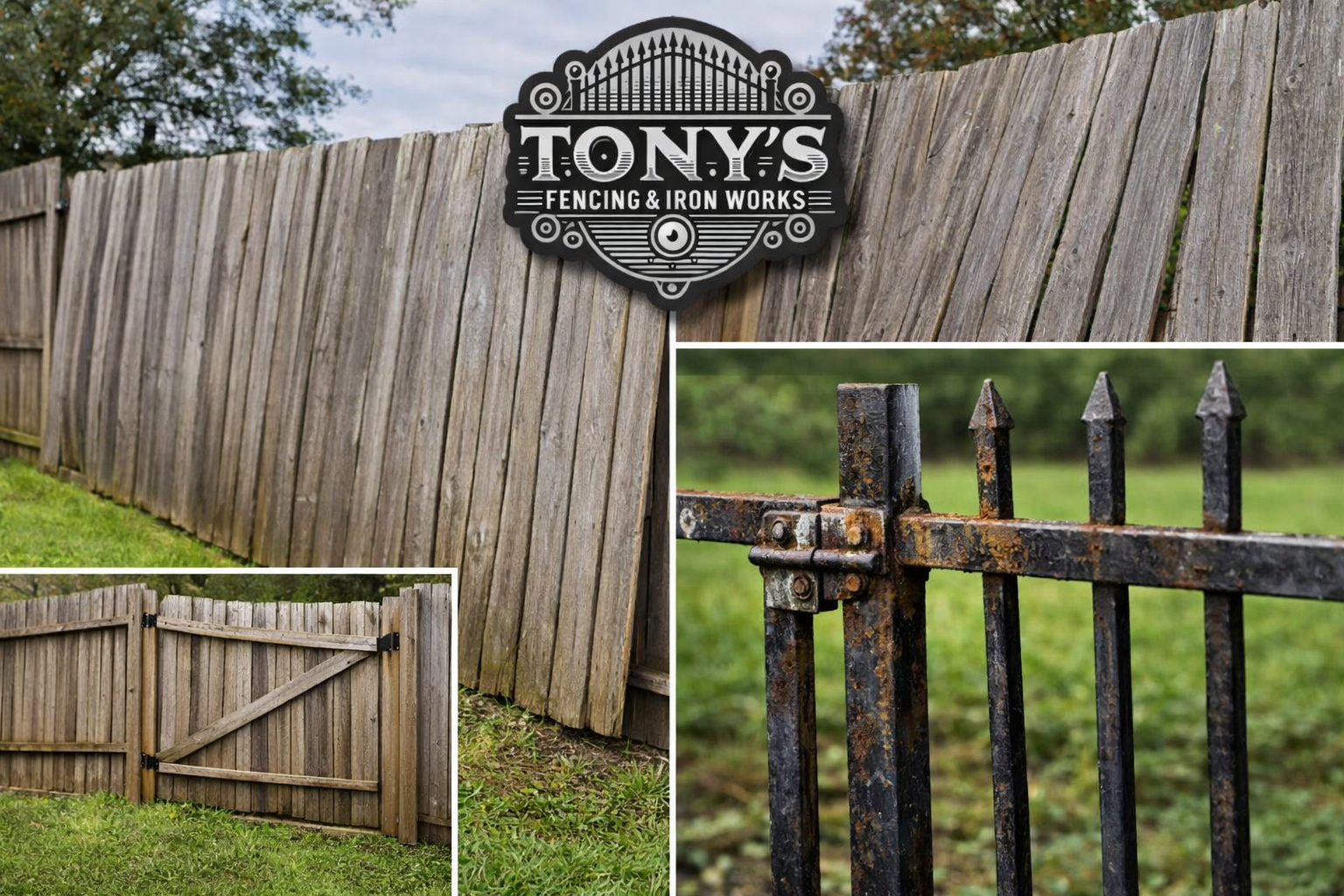
Fence problems often become visible in year two as Louisiana’s humidity, soil movement, and storm seasons test the strength of posts, boards, and gates.
Learn why fences in St. Tammany Parish often show problems in year two and how proper installation prevents costly repairs.
COVINGTON, LA, UNITED STATES, February 23, 2026 /EINPresswire.com/ -- Many homeowners across St. Tammany Parish notice a pattern: their fence looks strong and perfectly aligned during the first year, but by year two, visible issues begin to appear. Leaning posts, bowed boards, sagging gates, or early rust often surface during this time.
According to Tony’s Fencing & Iron Works, year two is often when installation shortcuts and environmental stress combine to reveal underlying weaknesses.
Why Year Two Is a Critical Turning Point
The first year after installation is often a settling period. Wood is still adjusting to moisture exposure. Soil is compacting around newly set posts. Drainage patterns are revealing themselves during heavy rain seasons.
By the second year, Southeast Louisiana’s environmental pressures begin to compound. Repeated cycles of heavy rain followed by intense sun cause expansion and contraction in both wood and soil. If a fence was not engineered with these factors in mind, visible stress tends to appear around this time.
Homeowners frequently search questions such as “Why is my fence leaning after one year?” or “Is it normal for a fence to warp in Louisiana humidity?” Minor adjustment can be natural, but significant movement often points to installation depth, drainage design, or material selection issues.
The Role of Soil Movement in St. Tammany Parish
Fence performance in St. Tammany Parish depends heavily on soil behavior. Certain areas contain clay-heavy soils that expand when wet and shrink during dry spells. Other properties experience erosion and prolonged saturation.
Fence posts act as the structural foundation of the entire system. If posts are not set deep enough or reinforced properly with concrete, subtle leaning can begin within months. By year two, that lean becomes noticeable. Wind loads during storm season can accelerate this process.
Professional installation requires evaluating soil composition, anticipated drainage flow, and wind exposure before setting posts. Without these considerations, fences may appear stable at first but gradually shift as the ground changes.
How Louisiana Humidity Affects Wood Fencing
Pressure-treated lumber continues to acclimate long after installation. When first installed, wood often contains retained moisture. As it dries in Louisiana’s humid climate, it can shrink slightly, twist, or bow.
If boards were installed without proper spacing or if inferior fasteners were used, year-two warping may become visible. In some cases, boards may separate slightly from rails, or fence lines may appear uneven.
Corrosion and Iron Fencing Concerns
For ornamental iron fencing, corrosion is a primary concern along the Gulf Coast. Moisture-rich air accelerates oxidation, especially if protective coatings are scratched or hardware is not corrosion-resistant.
Rust may begin subtly at weld joints or fastener points. By the second year, these areas can show discoloration or flaking. Preventative coatings, quality materials, and proper installation reduce the risk of premature deterioration.
Industry standards from the American Fence Association emphasize proper materials and hardware selection, but regional experience remains essential when building fences in high-moisture climates like Southeast Louisiana.
Why Gates Often Sag in Year Two
Gates are the most mobile part of any fence system. They carry weight, experience constant movement, and rely on hinge posts for support. Without reinforced framing and precise alignment, gates can begin to sag after repeated use.
Soil settlement beneath hinge posts also contributes to movement. What starts as a barely noticeable shift can become a dragging or misaligned gate by the second year.
Repair vs. Replacement: What Homeowners Should Know
Not every year-two issue requires full replacement. In many cases, targeted repairs such as resetting posts, reinforcing gate frames, replacing select boards, or upgrading hardware can restore structural integrity.
Early evaluation reduces long-term costs and prevents progressive structural damage.
Tony of Tony’s Fencing & Iron Works explains, “Year two tells the story of how a fence was built. When posts are set correctly and materials are chosen for Louisiana conditions, fences can last for many years beyond that point.”
Frequently Asked Questions About Fence Problems in Year Two
Why is my fence leaning after one or two years?
Leaning is commonly caused by shallow post depth, inadequate concrete support, or soil movement due to heavy rain and clay expansion. In Southeast Louisiana, soil saturation and storm winds can accelerate post shifting.
How long should a wood fence last in Louisiana?
With proper installation and maintenance, a wood fence in Louisiana can last 15–20 years or more. However, improper installation may cause noticeable structural issues as early as year two.
Is it normal for treated wood to warp?
Some minor movement is normal as treated lumber dries and acclimates. Severe twisting, bowing, or separation often indicates spacing or fastening problems during installation.
Can a sagging gate be repaired without replacing the entire fence?
Yes. In many cases, reinforcing the gate frame, replacing hinges, or resetting hinge posts can correct sagging without full fence replacement.
What are early warning signs of fence failure?
Visible leaning, soil pulling away from posts, rust around fasteners, loose boards, and difficulty opening or closing gates are common early indicators that should be evaluated.
Should I replace my fence if I notice problems in year two?
Not necessarily. Many issues can be corrected with targeted repairs. A professional inspection can determine whether reinforcement or partial repair is sufficient.
The Importance of Climate-Conscious Installation
With more than 30 years of experience serving Southeast Louisiana, Tony’s Fencing & Iron Works specializes in climate-conscious installation designed for Gulf Coast conditions. The company provides custom wood fencing, ornamental iron fencing, automatic gates, vinyl fencing, farm fencing, and ADA-compliant exterior handrails.
Each project is approached with attention to soil conditions, drainage patterns, hardware quality, and long-term durability. Local expertise plays a critical role in preventing the common year-two fence problems seen throughout St. Tammany Parish.
Homeowners and business owners seeking information about fence repair, inspection, or new installation can visit:
Media Contact:
Tony’s Fencing & Iron Works
Phone: 985-703-0595
Website: https://tonysfencingandiron.com/
Gwen M.
Designs For You
email us here
Visit us on social media:
Facebook
Legal Disclaimer:
EIN Presswire provides this news content "as is" without warranty of any kind. We do not accept any responsibility or liability for the accuracy, content, images, videos, licenses, completeness, legality, or reliability of the information contained in this article. If you have any complaints or copyright issues related to this article, kindly contact the author above.
