
How Professional Roofing Repair Techniques Help Prevent Costly Structural Damage
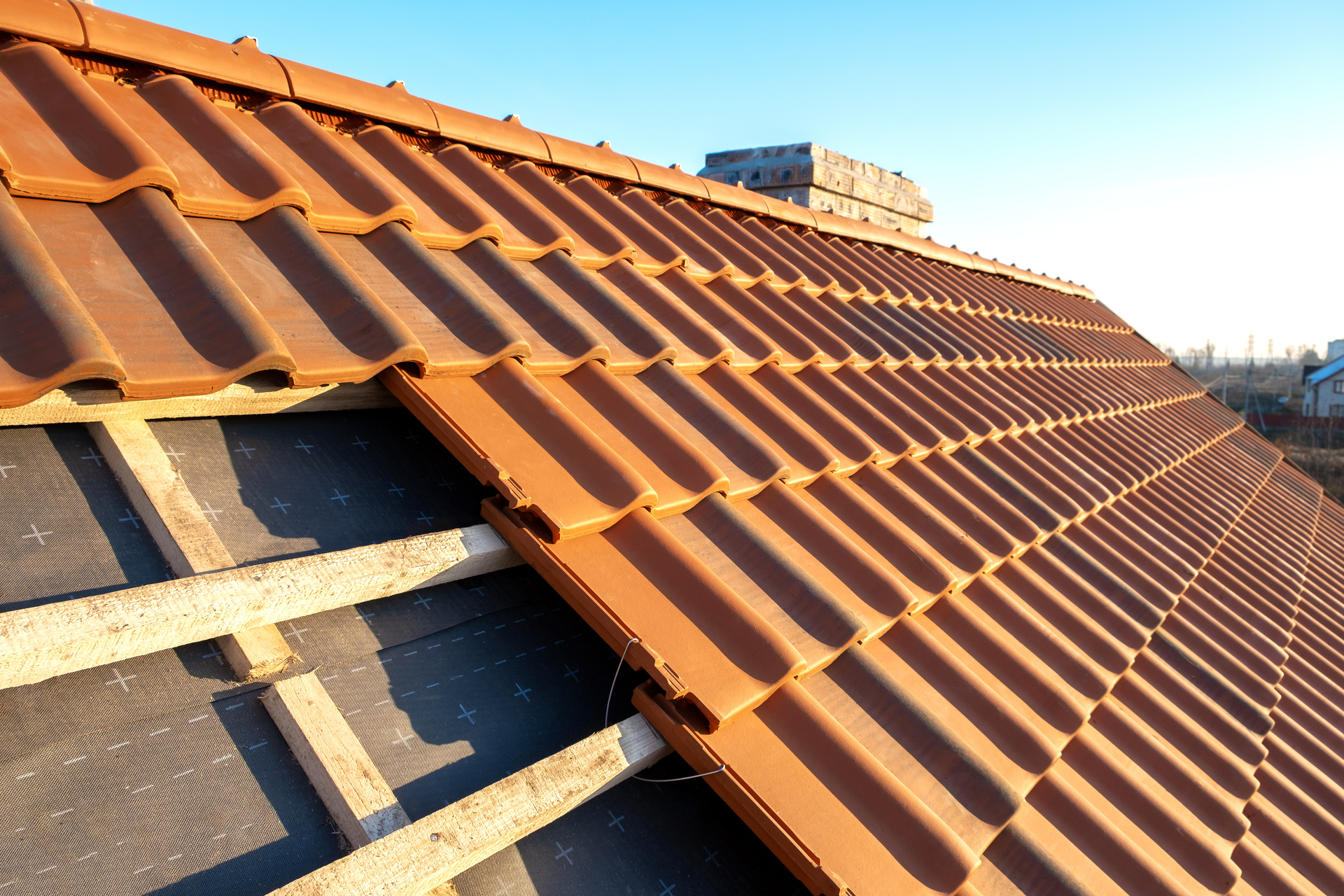

Roof repairs are most effective when problems are corrected before moisture reaches structural components”
WISCONSIN RAPIDS, WI, UNITED STATES, February 6, 2026 /EINPresswire.com/ -- Roofing systems serve as the first line of defense between a building and the elements. When roofing components begin to fail, the resulting damage often extends well beyond the roof surface itself. Professional roofing repair techniques play a critical role in identifying early-stage issues, managing water intrusion, and protecting structural components before deterioration spreads throughout a building.— Thad Brown
Roof-related damage rarely begins with dramatic failure. Instead, it often starts with minor deficiencies such as compromised flashing, small membrane separations, fastener fatigue, or drainage obstructions. These issues may remain undetected from ground level while gradually allowing moisture to penetrate the roofing system. Once water enters the building envelope, structural materials such as decking, framing, and insulation become vulnerable to deterioration.
Moisture intrusion is the primary driver of structural damage linked to roofing failure. Water that bypasses protective layers can weaken wood components, corrode metal elements, and reduce the effectiveness of insulation. Over time, this process compromises load-bearing capacity and increases the likelihood of mold growth, interior damage, and energy inefficiency. Professional repair techniques focus on interrupting this progression before it accelerates.
One key aspect of professional roofing repair involves targeted assessment rather than surface-level fixes. Experienced roofing professionals evaluate not only visible damage but also underlying conditions that contribute to failure. This includes examining substrate integrity, attachment systems, and water flow patterns. Addressing root causes helps prevent recurring issues that temporary patches often fail to resolve.
Flashing repair represents a common and critical intervention. Flashing protects transition points where roofing materials meet walls, vents, skylights, and mechanical penetrations. These intersections experience concentrated stress due to movement, temperature change, and water flow. Professional flashing repair restores continuity in the roofing system, reducing the likelihood of leaks that lead to internal structural exposure.
Drainage correction is another essential component of effective repair. Ponding water increases hydrostatic pressure on roofing materials and accelerates degradation. Professional techniques include adjusting slope, clearing obstructions, and reinforcing drainage pathways to ensure water is directed away from vulnerable areas. Improved drainage reduces long-term stress on both roofing and structural components.
Material compatibility also influences repair effectiveness. Roofing systems consist of multiple materials designed to work together under specific conditions. Improper repairs using incompatible products can create new failure points. Professional roofing repair techniques account for system design, material properties, and environmental exposure to maintain performance integrity.
Weather events often expose existing weaknesses rather than creating new ones. High winds, hail, and freeze-thaw cycles exploit vulnerabilities already present in the roofing system. Post-event inspections and repairs help document damage progression and address areas where protective layers have been compromised. Timely intervention following weather exposure reduces the risk of structural damage developing unnoticed.
Preventive repair strategies contribute to long-term structural protection. Rather than waiting for leaks or visible damage, professional roofing repair focuses on maintaining system continuity through scheduled evaluations and corrective action. This proactive approach helps stabilize roof performance and extend service life.
Interior indicators frequently provide early warnings of roofing-related structural issues. Ceiling staining, unexplained humidity changes, and temperature inconsistencies often point to developing roof problems. Professional repair efforts integrate interior observations with exterior assessments to create a more complete understanding of building conditions.
According to Thad Brown, owner and founder of Dynamic Alliance Roofing LLC in Wisconsin Rapids, Wisconsin, long-term protection depends on addressing roofing issues at their earliest stages.
“Roof repairs are most effective when problems are corrected before moisture reaches structural components,” Brown said. “Once water enters framing or decking, the scope of damage increases quickly.”
Structural damage associated with roofing failure often carries higher costs than roof repairs alone. Repairs that address issues early help avoid extensive remediation involving framing replacement, mold mitigation, and interior reconstruction. By limiting moisture exposure, professional roofing repair techniques protect both the roof system and the building beneath it.
Documentation also plays an important role in repair planning. Detailed inspection reports, repair records, and maintenance histories support informed decision-making and demonstrate due diligence. These records may also assist with insurance claims, warranty compliance, and long-term asset management.
As buildings age, roofing systems require increasing attention to maintain protective performance. Professional repair techniques adapt to material aging, environmental exposure, and structural movement. This adaptability supports continued protection without premature replacement.
The relationship between roofing performance and structural integrity is direct and significant. Roofing systems that are maintained and repaired using professional techniques reduce the likelihood of moisture-related structural damage. Through targeted assessment, material-appropriate repairs, and proactive intervention, roofing repairs serve as a critical safeguard for long-term building stability.
Protecting structural components begins at the roof level. Professional roofing repair techniques help preserve building integrity by addressing vulnerabilities before they escalate into costly structural damage.
Morgan Thomas
Rhino Digital, LLC
+1 504-875-5036
email us here
Visit us on social media:
Facebook
Legal Disclaimer:
EIN Presswire provides this news content "as is" without warranty of any kind. We do not accept any responsibility or liability for the accuracy, content, images, videos, licenses, completeness, legality, or reliability of the information contained in this article. If you have any complaints or copyright issues related to this article, kindly contact the author above.
