
Electrical Conduit Pipe Market to Reach USD 3.18 Billion by 2031 – Persistence Market Research
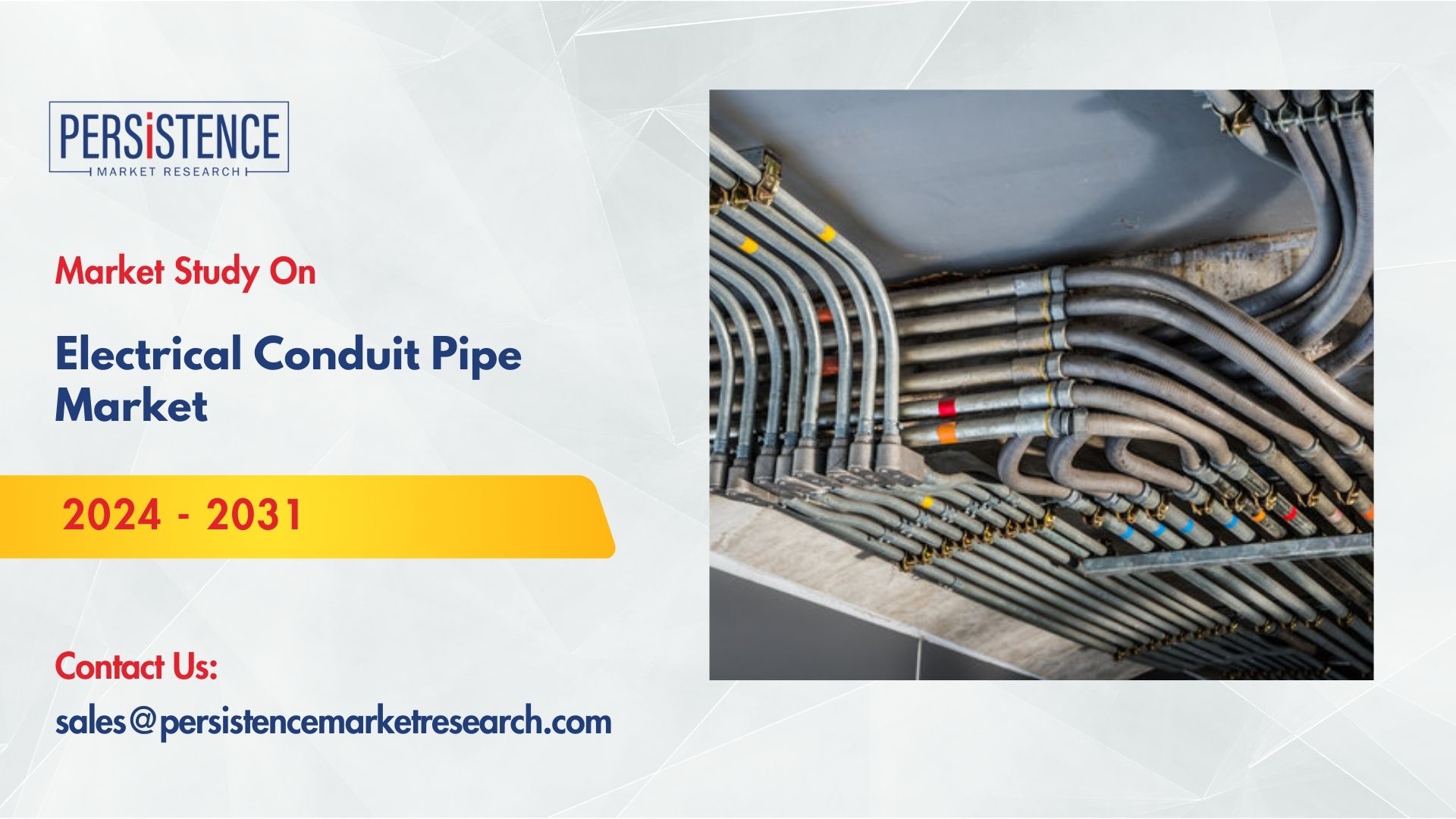
Electrical Conduit Pipe Market
The market is set to grow at a 4.6% CAGR, driven by construction expansion, urbanization, and demand for safe electrical installations
LOS ANGELES, CA, UNITED STATES, March 3, 2025 /EINPresswire.com/ -- The global electrical conduit pipe market has been witnessing steady growth, driven by the rapid expansion of the construction industry, increasing urbanization, and a growing emphasis on safe and efficient electrical installations. According to Persistence Market Research's projections, the electrical conduit pipe market is expected to reach USD 3.18 billion by 2031, growing at a compound annual growth rate (CAGR) of 4.6%. The rising demand for reliable electrical infrastructure in residential, commercial, and industrial sectors is further fueling market growth.
In this blog, we explore the key drivers, challenges, and future prospects of the electrical conduit pipe market.
Understanding Electrical Conduit Pipes
Electrical conduit pipes are essential components in modern electrical infrastructure, designed to protect and route electrical wiring in buildings. Made from materials such as steel, PVC, and aluminum, these pipes safeguard electrical cables from damage due to environmental factors, moisture, chemicals, and physical impact. They also minimize the risk of electrical hazards, ensuring safety and longevity of electrical systems.
Get a Sample PDF Brochure of the Report (Use Corporate Email ID for a Quick Response): https://www.persistencemarketresearch.com/samples/19402
Conduit pipes are widely used in residential, commercial, and industrial construction projects, offering a secure path for electrical wiring and preventing potential accidents caused by exposed cables. The growing awareness of electrical safety standards and the increasing adoption of smart building technologies have significantly boosted the demand for electrical conduit pipes in recent years.
Key Market Drivers
1. Rapid Expansion of the Construction Industry
The construction industry has been witnessing robust growth worldwide, propelled by increasing urbanization and infrastructure development. Governments and private investors are investing heavily in residential, commercial, and industrial projects, particularly in emerging economies across Asia-Pacific and the Middle East. The expansion of the construction sector has led to a surge in demand for electrical conduit pipes to ensure safe and reliable electrical installations.
In urban areas, the rise of smart cities and modern infrastructure projects has further amplified the need for high-quality electrical conduit systems. Conduit pipes provide protection against electrical hazards, which is crucial for smart buildings that rely on extensive electrical and communication networks.
2. Rising Emphasis on Electrical Safety and Regulations
Electrical safety has become a top priority for regulatory authorities worldwide. Stringent building codes and electrical safety regulations mandate the use of conduit pipes to prevent electrical accidents caused by short circuits, exposed wires, and other hazards. In the United States, for instance, the National Electrical Code (NEC) sets standards for safe electrical installations, making the use of electrical conduit pipes mandatory in many situations.
Similarly, in Europe and Asia-Pacific, regulatory bodies have been implementing strict guidelines to enhance electrical safety in residential and commercial buildings. Compliance with these standards has significantly boosted the adoption of conduit pipes, contributing to market growth.
3. Increasing Urbanization and Infrastructure Development
The global trend of urbanization continues to accelerate, with millions of people moving to cities each year. According to the United Nations, nearly 68% of the world’s population is projected to live in urban areas by 2050. This urban migration has intensified the demand for housing, commercial spaces, and industrial facilities, driving the need for efficient electrical infrastructure.
Electrical conduit pipes play a vital role in urban infrastructure by ensuring that electrical systems are protected, durable, and capable of handling the growing demand for electricity. The installation of conduit pipes in newly constructed residential complexes, office buildings, and industrial facilities is becoming increasingly common, further propelling market growth.
4. Adoption of Smart Building Technologies
The growing adoption of smart building technologies, including advanced electrical systems, energy management solutions, and automation, has created new opportunities for the electrical conduit pipe market. Smart buildings require extensive cabling to support automation systems, sensors, and communication networks, necessitating robust conduit systems for protection and organization.
Electrical conduit pipes enable easy management of complex wiring systems, reduce the risk of short circuits, and provide future-proofing for upgrades and modifications. As the smart building trend continues to gain momentum, the demand for conduit pipes is expected to grow significantly.
5. Industrial Growth and Power Sector Expansion
The expansion of industrial facilities and the power sector, particularly in developing economies, has been a major driver for the electrical conduit pipe market. Industries such as manufacturing, oil and gas, and power generation require extensive electrical infrastructure to operate efficiently. Conduit pipes are used to protect electrical wiring in harsh industrial environments, ensuring safety and reliability.
Moreover, the rising investments in renewable energy projects, such as solar and wind power installations, have further bolstered the demand for conduit pipes. These projects require extensive cabling solutions to connect power generation units with grids, creating lucrative opportunities for the conduit pipe market.
Challenges Facing the Market
1. High Cost of Raw Materials
One of the significant challenges facing the electrical conduit pipe market is the fluctuating cost of raw materials, such as steel, aluminum, and PVC. The prices of these materials are influenced by global supply chain disruptions, trade policies, and demand-supply imbalances. High raw material costs can impact the profitability of manufacturers and lead to increased prices for end-users.
2. Competition from Cable Management Alternatives
The market faces competition from other cable management solutions, such as cable trays, raceways, and wireways, which offer flexibility and ease of installation. In certain applications, these alternatives are preferred over conduit pipes due to cost advantages and installation efficiency.
3. Environmental Concerns and PVC Use
The use of PVC in conduit pipes has raised environmental concerns due to its non-biodegradable nature and the release of harmful chemicals during manufacturing and disposal. This has led to growing demand for eco-friendly alternatives, such as metal or non-PVC plastic conduits, which could influence market dynamics.
Future Outlook
The future of the electrical conduit pipe market looks promising, with steady growth anticipated over the coming years. The rising investments in smart cities, infrastructure development, and industrial projects are expected to create substantial demand for conduit pipes. Furthermore, advancements in conduit materials, such as corrosion-resistant coatings and flexible designs, are likely to enhance product adoption.
Sustainability Trends
Sustainability is expected to become a key focus in the market, with manufacturers investing in eco-friendly materials and energy-efficient production processes. The growing awareness of environmental protection is likely to drive demand for sustainable conduit pipe options.
Technological Advancements
The integration of Internet of Things (IoT) technologies in electrical systems is expected to influence conduit pipe designs, making them more adaptable for smart installations. Innovations such as flexible conduits and advanced protective coatings will enhance the durability and efficiency of electrical systems, further driving market growth.
Conclusion
The electrical conduit pipe market is poised for steady growth, driven by the expansion of the construction industry, increasing urbanization, and a focus on electrical safety. While challenges such as raw material costs and environmental concerns persist, the adoption of smart building technologies and sustainable practices is expected to shape the future of the market.
As cities continue to expand and industries modernize, the demand for reliable and safe electrical installations will remain a key driver for the conduit pipe market, making it a promising sector for investment and innovation.
Persistence Market Research Pvt Ltd
Persistence Market Research
+1 646-878-6329
email us here
Visit us on social media:
Facebook
X
LinkedIn
Instagram
YouTube
Legal Disclaimer:
EIN Presswire provides this news content "as is" without warranty of any kind. We do not accept any responsibility or liability for the accuracy, content, images, videos, licenses, completeness, legality, or reliability of the information contained in this article. If you have any complaints or copyright issues related to this article, kindly contact the author above.
