
Enzyme Replacement Therapy (ERT) Market: A Transformative Growth Outlook
Enzyme Replacement Therapy (ERT) Market----
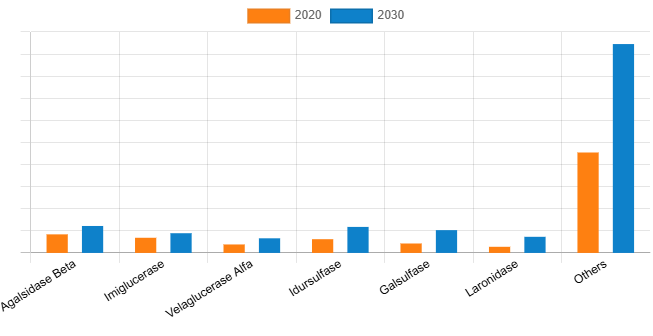
7,780.69millionin2020to7,780.69millionin2020to15,166.34 million by 2030, reflecting a compound annual growth rate (CAGR) of 8.3% from 2021 to 2030. ERT is a groundbreaking treatment for individuals suffering from inherited enzyme deficiency syndromes, offering hope by replenishing missing or deficient enzymes in the body. This therapy is administered either intravenously (IV) or orally, with the IV route being the most widely accepted due to its direct delivery into the bloodstream.
Get a Sample Copy of this Report: https://www.alliedmarketresearch.com/request-sample/A10949
ERT has revolutionized the treatment of rare genetic disorders, particularly lysosomal storage diseases (LSDs), by replacing deficient enzymes with those purified from human or animal tissues or produced using recombinant DNA technology. These enzymes are often modified to enhance their efficacy, stability, and targeting capabilities. While ERT does not cure the underlying genetic cause of the disease, it significantly improves patients' quality of life by enabling their bodies to perform critical functions inhibited by enzyme deficiencies.
________________________________________
Key Drivers of the Enzyme Replacement Therapy Market
The growth of the ERT market is fueled by several factors:
• Rising Prevalence of Lysosomal Storage Diseases: Conditions like Gaucher, Pompe, Fabry, and mucopolysaccharidosis (MPS) are becoming more prevalent, driving demand for ERT.
• Government Initiatives: Increased awareness campaigns and support for rare disease treatments are encouraging patients to seek ERT.
• Advancements in Biotechnology: Innovations in recombinant DNA technology and enzyme modification are enhancing the efficacy and safety of ERT.
• Expanding Healthcare Infrastructure: Emerging economies are investing heavily in healthcare, improving access to advanced therapies like ERT.
________________________________________
Challenges Facing the ERT Market
Despite its potential, the ERT market faces several hurdles:
• High Treatment Costs: ERT is expensive, making it inaccessible for many patients, especially in low- and middle-income countries.
• Side Effects: Some patients experience adverse reactions to ERT, limiting its adoption.
• Limited Awareness: In certain regions, lack of awareness about ERT and rare diseases hinders market growth.
________________________________________
Opportunities for Growth
The ERT market is ripe with opportunities, including:
• Expanding Product Pipeline: New therapies in development are expected to address unmet medical needs and drive market growth.
• Emerging Markets: Countries in Asia-Pacific and Latin America are witnessing rapid healthcare development, creating new avenues for ERT adoption.
• Medical Tourism: The rise of medical tourism in emerging economies is boosting demand for advanced treatments like ERT.
________________________________________
Market Segmentation
The global ERT market is segmented based on product, disease type, end user, and region:
By Product
• Agalsidase Beta: Dominates the market due to its effectiveness in treating lysosomal storage diseases.
• Imiglucerase, Velaglucerase Alfa, Idursulfase, Galsulfase, Laronidase: Other key products contributing to market growth.
By Disease Type
• Mucopolysaccharidosis (MPS): The leading segment, driven by the increasing incidence of rare diseases.
• Gaucher Disease, Fabry Disease, Pompe Disease, Exocrine Pancreatic Insufficiency (EPI): Other significant segments.
By End User
• Hospitals: The largest end-user segment, offering expert care and advanced infrastructure for ERT administration.
• Infusion Centers & Home Healthcare Settings: Gaining traction due to convenience and cost-effectiveness.
By Region
• North America: The dominant market, supported by advanced healthcare infrastructure and high awareness of ERT.
• Europe, Asia-Pacific, LAMEA: Emerging regions with significant growth potential.
________________________________________
Key Players in the Enzyme Replacement Therapy Market
The ERT market is highly competitive, with major players driving innovation and expansion. Key companies include:
• AbbVie Inc.
• AstraZeneca PLC
• BioMarin Pharmaceutical Inc.
• Chiesi Farmaceutici S.P.A.
• Digestive Care, Inc.
• Leadiant Biosciences, Inc.
• Nestlé Health Science
• Pfizer Inc.
• Sanofi
• Takeda Pharmaceuticals
________________________________________
The Future of Enzyme Replacement Therapy
The ERT market is on a robust growth trajectory, driven by technological advancements, increasing prevalence of rare diseases, and expanding healthcare access. However, addressing challenges like high costs and side effects will be crucial for sustained growth. As research continues to unlock new possibilities, ERT is set to transform the lives of patients with rare genetic disorders, offering hope and improved quality of life.
________________________________________
Key Takeaways
• The ERT market is projected to grow at a CAGR of 8.3% from 2021 to 2030.
• Rising prevalence of lysosomal storage diseases and government initiatives are major growth drivers.
• High treatment costs and side effects remain significant challenges.
• Emerging markets and advancements in biotechnology present lucrative opportunities.
• North America leads the market, but Asia-Pacific and LAMEA regions show promising growth potential.
Enzyme replacement therapy is not just a treatment; it’s a lifeline for patients battling rare genetic disorders. As the market evolves, it holds the promise of brighter, healthier futures for countless individuals worldwide.
Enquire Before Buying: https://www.alliedmarketresearch.com/purchase-enquiry/A10949
David Correa
Allied Market Research
+1 800-792-5285
email us here
Visit us on social media:
Facebook
X
LinkedIn
YouTube
Legal Disclaimer:
EIN Presswire provides this news content "as is" without warranty of any kind. We do not accept any responsibility or liability for the accuracy, content, images, videos, licenses, completeness, legality, or reliability of the information contained in this article. If you have any complaints or copyright issues related to this article, kindly contact the author above.
