
Smart Gas Meter Market Scenario Highlighting Major Drivers & Growth, 2027 | Industry Dynamics
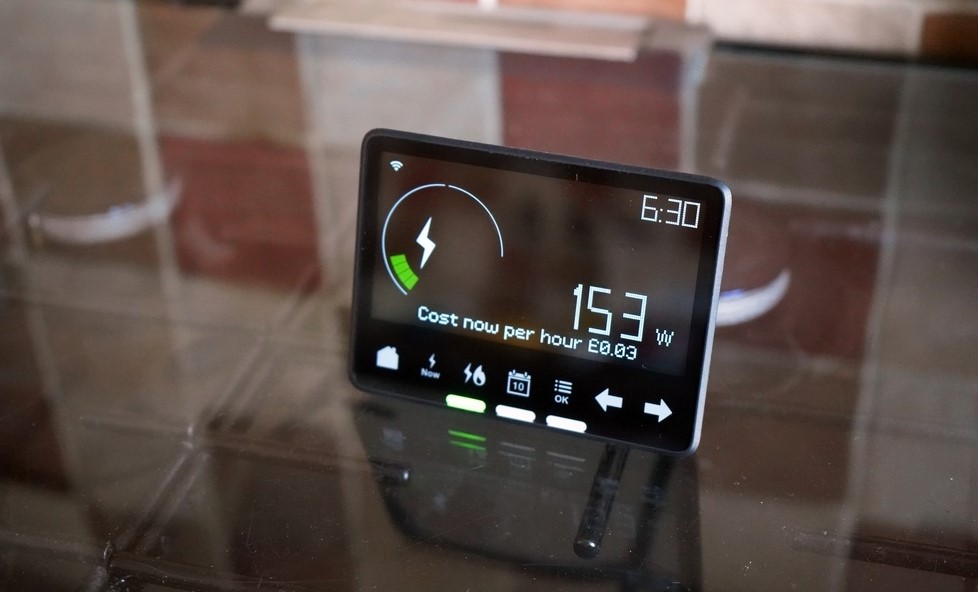
Smart Gas Meter Market
The smart gas meter market in Europe is expected to grow at a faster rate as compared to other regions.
WILMINGTON, DELAWARE , UNITED STATES, March 21, 2024 /EINPresswire.com/ -- According to a new report published by Allied Market Research, titled, smart gas meter market is projected to reach $5.99 billion by 2027, to register a CAGR of 6.9% during the forecast period. North America is expected to be the leading contributor to the global smart gas meter market, followed by Europe and Asia-Pacific.
The widespread implementation of smart gas meters offers significant enhancements to grid and distribution operations through seamless communication with other smart meters. Furthermore, the region's climate goals and energy efficiency initiatives serve as additional drivers for adoption. Smart meter-equipped gas heating systems demonstrate reduced fuel consumption, thus aiding in the progression toward a fully automated grid. These advancements are expected to expedite the deployment of smart gas meters.
𝗗𝗼𝘄𝗻𝗹𝗼𝗮𝗱 𝗥𝗲𝘀𝗲𝗮𝗿𝗰𝗵 𝗥𝗲𝗽𝗼𝗿𝘁 𝗦𝗮𝗺𝗽𝗹𝗲 & 𝗧𝗢𝗖 @
https://www.alliedmarketresearch.com/request-sample/2406
Furthermore, with the advent of next-generation IoT-optimized 5G technology, there's an anticipated transition from traditional RF platforms to emerging standards like NB-IoT in the realm of smart gas meters. Leading companies such as ITRON and Sensirion are introducing advanced gas meters like the SGM6200 series, offering competitive pricing and ultra-low current consumption to capitalize on this opportunity.
Smart gas meters not only enhance operational security but also reduce costs for gas companies, thereby propelling industry growth. The adoption of smart gas meters is driven by their functional advantages, including the automation of monthly reading recordings, continuous pipeline monitoring, and access to real-time data. Moreover, gas utility providers can utilize prioritized alarms and real-time data to significantly enhance safety standards.
The Internet of Things (IoT) constitutes a network of interconnected objects and devices that exchange digital data. Its widespread adoption has accelerated the digitization of various sectors, including gas and electricity. IoT communication infrastructures empower grid operators and energy providers to deliver advanced energy solutions. Additionally, the increasing utilization of Narrowband IoT (NB-IoT) presents an opening for smart gas metering among new clientele, particularly for utilities lacking the resources or capacity to manage their communication networks.
Smart gas meters automatically measure basic characteristics of the gas flowing in pipelines, including pressure, volume, and temperature. The widespread installation of these meters in industrial, commercial, and residential settings is driven by government regulations, leading to a boost in the global GDP. Collaboration between gas exploration firms and smart gas meter manufacturers further accelerates market growth.
The elimination of discrepancies in gas meter readings, coupled with increasing safety regulations, has fueled a double-digit growth in the smart gas meter market in recent years. Digital technologies are poised to revolutionize global systems, enhancing connectivity, efficiency, dependability, and sustainability. These advancements enable new applications such as shared mobility, smart appliances, and 3D printing, facilitated by enhanced data analytics and communication capabilities.
The ongoing development of communication network infrastructure, including 5G and radio frequency technologies, plays a pivotal role in advancing smart gas meter production. Manufacturers leverage this expanding infrastructure to produce advanced-level meters, further expanding the smart gas meters industry.
𝗜𝗻𝗾𝘂𝗶𝗿𝘆 𝗕𝗲𝗳𝗼𝗿𝗲 𝗕𝘂𝘆𝗶𝗻𝗴 @
https://www.alliedmarketresearch.com/purchase-enquiry/2406
The global smart gas meter market is segmented on the basis of type, component, end use and region.
Based on type, the market is segmented into auto meter reading and advanced metering infrastructure. Owing to their operational advantages, the adoption of advanced metering infrastructure has been on the rise in recent years. Two-way communication between the gas company and the customer is one of the major operational advantages of advanced metering infrastructure that has led to its increased adoption across various regions.
Based on component, the hardware segment contributed to nearly three-fourths of the global smart gas meter market share in 2019 and is expected to rule the roost by the end of 2027. The same segment is also projected to register the fastest CAGR 7.2% throughout the forecast period. This is due to rise in need to enhance the efficiency of the big data analytics tools.
Based on end use, the residential segment accounted for nearly half of the global smart gas meter market revenue in 2019 and is anticipated to rule the roost from 2020 to 2027. The same segment would also manifest the fastest CAGR of 7.5% during the forecast period. Rapid industrial development and surge in demand for advance gas meter from residential sectors fuel the growth of the segment.
𝗥𝗲𝗾𝘂𝗲𝘀𝘁 𝗳𝗼𝗿 𝗖𝘂𝘀𝘁𝗼𝗺𝗶𝘇𝗮𝘁𝗶𝗼𝗻 @
https://www.alliedmarketresearch.com/request-for-customization/2406
Based on region, North America held the major share in 2019, generating more than two-fifths of the global smart gas meter market. High demand for powerful smart gas meters with edge intelligence capabilities coupled with advanced data analytics drive the growth of the market in the province. Europe, on the other hand, would portray the fastest CAGR of 7.8% by 2027. Shifting toward the renewables to achieve long-term green energy target has increased smart gas meter installations across the continent.
The key players profiled in the report include Honeywell International Inc, Itron Inc., Landis+Gyr, Schneider Electric SA, Siemens AG, Badger Meter, EDMI, Sensus, Aclara Technologies, and Apator SA. Market players have adopted various strategies such as product launch, collaboration, partnership, and agreement to expand their foothold in the smart gas meter industry.
David Correa
Allied Market Research
+1 503-894-6022
help@alliedmarketresearch.com
Visit us on social media:
Facebook
Twitter
LinkedIn
Legal Disclaimer:
EIN Presswire provides this news content "as is" without warranty of any kind. We do not accept any responsibility or liability for the accuracy, content, images, videos, licenses, completeness, legality, or reliability of the information contained in this article. If you have any complaints or copyright issues related to this article, kindly contact the author above.
