
Confined Space Rescue Plans And The Local Fire Department
Confined Space Rescue Plans
Confined spaces can be storage tanks, ductwork, pits, or any other area that’s narrow and difficult to get to. One might not think twice about working near a small space like this, but they need to think about the dangers of someone getting trapped in these places.
Unexpected things happen—even if a team isn’t working directly over the confined space, people who work around confined spaces are still putting themselves at several risks.
For example, there’s the danger of injury if someone falls from a certain height into a confined space. While this danger might be present whether or not the space is narrow, confined spaces carry more risk because workers might not be able to assist the person until they can get them out safely.
Then there are other dangers, like loss of air, extreme temperatures, and the risk of being engulfed by a substance.
Confined space rescue is the operation of saving someone from an emergency in a confined space. If not already thinking about a rescue plan, now’s the time to start.
The Time to Think About Confined Space Rescue: before it happens.
Put together a confined space rescue plan in most construction and civil infrastructure situations. One might not think of a project as “confined” if it’s a large public endeavor, but there may be confined space situations that are not considered.
Keep in mind that these rescue plans are for emergency situations. Rather than thinking of what will likely take place, this is the time to think about what could possibly take place. Don’t end up in need of a confined space rescue without having prepared a comprehensive plan.
Relying on Fire Departments for Confined Space Rescue Plans
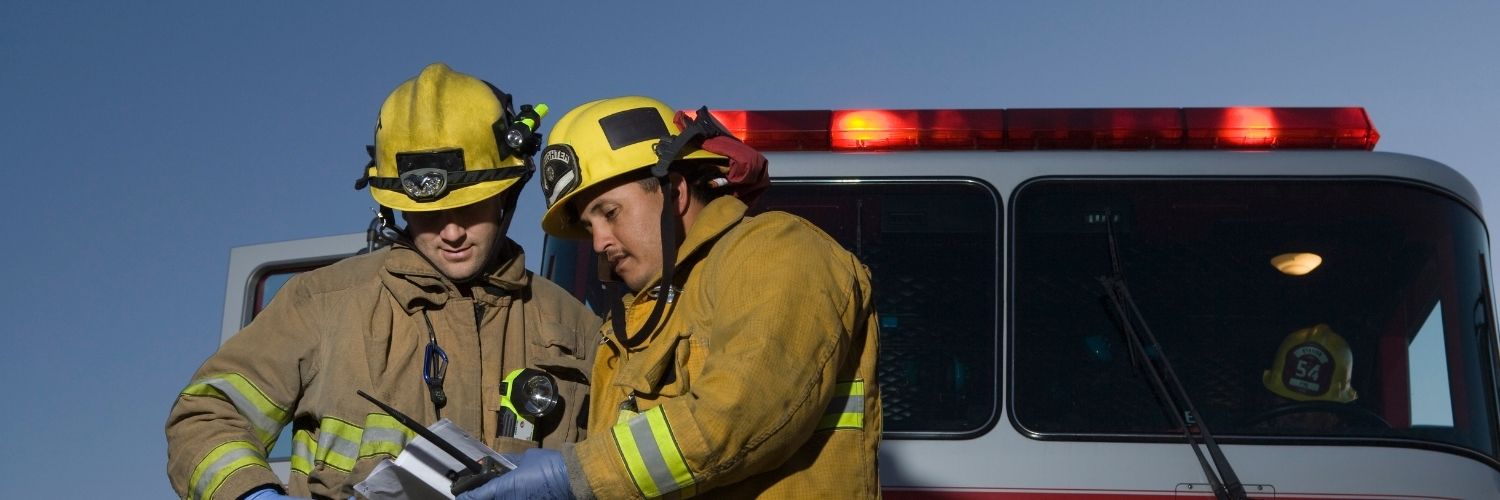
One might think they can rely on first responders like the local fire department for confined space rescue. It’s a good instinct to think of these emergency services, but the facts are that these services often don’t come in time to make an effective confined space rescue.
If thinking about relying on a local fire department for a confined space rescue, at the very least, call them to ask whether they’re prepared and willing to respond to these kinds of situations. Ask the department members relevant questions. Find out things like their expected response time. It is also important to know what equipment they have that could be used for a specific location.
You might be required to complete a confined space rescue plan to meet OSHA guidelines for a project. In this case, keep in mind that OSHA requires a rescue service that can respond in a timely manner.
Timing is extremely important when it comes to confined spaces. If a local fire department can’t respond in a crucial window of time, OSHA requirements will not be adequately met. And more importantly, you could be putting people in unnecessary danger.
The Timing of Rescue
Timing is everything when planning how to respond to future confined space rescue situations.
Carrying the weight of a person from a confined space is already difficult, but it’s not the most pressing part of the operation. The dangers of being trapped in confined spaces are high, meaning survival might be the first thing to think about.
For example, asphyxiation is one of the risks of getting trapped in a confined space. A rescue service might be able to get the victim out of the space, but they also need to do so before these health dangers set in. Every minute is precious.
When coming up with a rescue plan, make sure to ask: realistically, can this plan be carried out in enough time to save a life?
Establishing a Risk Profile
Before coming up with a rescue plan for confined spaces, it’s a good idea to put together a risk profile of the situation. This means taking the time to assess all possible dangers.
Start by doing an in-person walkthrough of the space and consulting the layout plans. Then think through how many workers are using the space and whether there will be any collaboration with a specialized rescue team.
Other important things to think about include training and communication. Knowing how the team will react to dangerous situations will help one figure out what the rescue might look like.
Coming Up With a Solid Rescue Plan
It is a good idea to build a relationship with an experienced rescue company.
Rescue teams specifically trained in confined space rescues may be valuable. They know how to use ropes and other emergency equipment, allowing them to work with a variety of angles. They’re also equipped for multiple kinds of locations, including water rescues.
Confined space rescue teams build the risk profile into the planning itself. This is not a situation where an emergency service is called to help out in a place they’ve never been before. Working with a confined space rescue team means they start with an assessment of the space and keep that knowledge handy if danger arises.
Confined space rescue plans shouldn’t be an afterthought. If a team understands the value of rescue planning, they’ll be much better prepared in an emergency.
Lance B
DCS Rescue
+1 5625953002
lanceb@anconservices.com
Visit us on social media:
Facebook
LinkedIn
Legal Disclaimer:
EIN Presswire provides this news content "as is" without warranty of any kind. We do not accept any responsibility or liability for the accuracy, content, images, videos, licenses, completeness, legality, or reliability of the information contained in this article. If you have any complaints or copyright issues related to this article, kindly contact the author above.
