
Things to consider before trekking in high altitude Himalayas
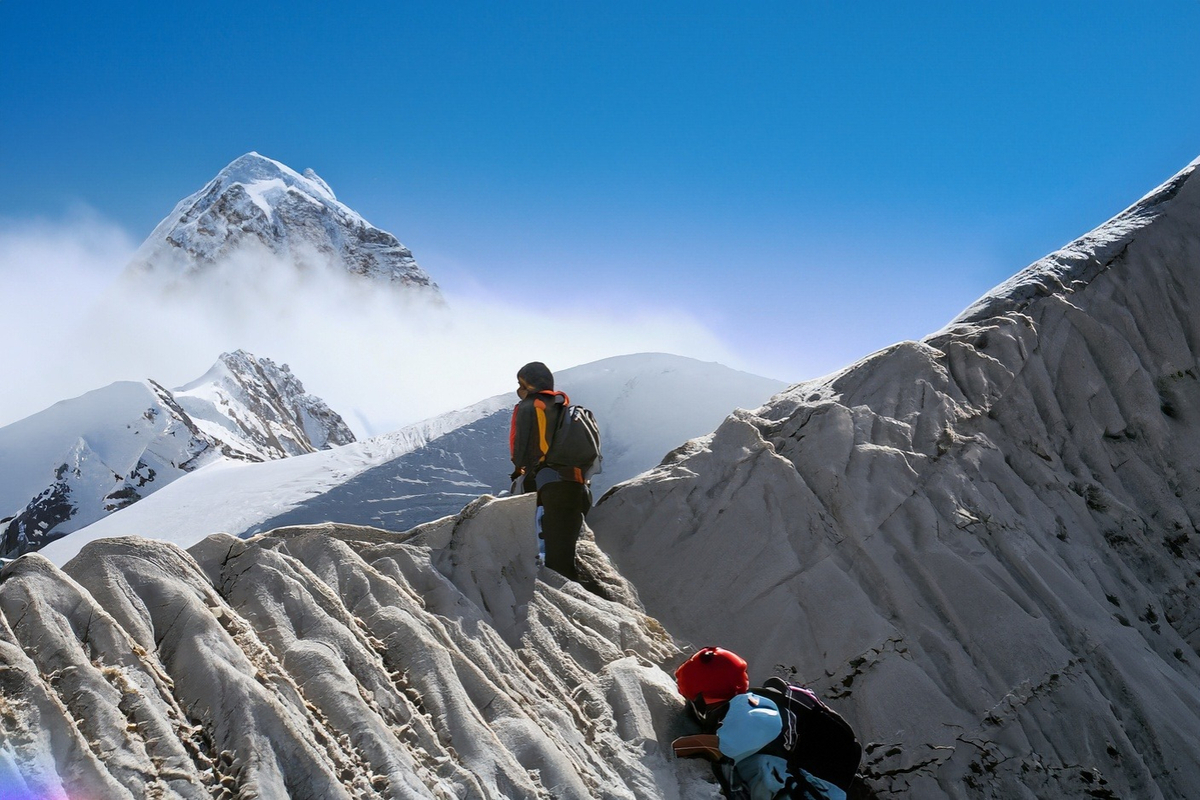
Island peak climbing

AAT
Things to consider before trekking in high altitude Himalayas
NEW YORK CITY, NEW YORK, UNITED STATES, July 11, 2023/EINPresswire.com/ -- Acute Mountain Sickness (AMS), also known as altitude sickness, is a common condition that can affect individuals when they ascend to high altitudes too quickly. It occurs due to the decreased availability of oxygen at higher elevations. Recognizing the symptoms of AMS and taking preventive measures is essential for a safe and enjoyable mountainous adventure. In this post, we will delve into the details of how to identify and prevent AMS, ensuring a smooth transition to higher altitudes.Understanding Acute Mountain Sickness (AMS):
AMS typically occurs at altitudes above 8,000 feet (2,400 meters) but can affect individuals differently. It is caused by the body's inability to adapt quickly to lower oxygen levels in the air. The severity of AMS can range from mild to life-threatening, so it's crucial to be aware of the symptoms and take appropriate measures.
Recognizing the Symptoms:
Identifying the early signs of AMS is essential for prompt action. Common symptoms include:
Headache: One of the primary indicators of AMS is a persistent headache, often described as throbbing or pounding.
Fatigue and Weakness: Feeling unusually tired, weak, or lethargic, even with minimal physical exertion, can be a sign of AMS.
Dizziness and Lightheadedness: Individuals may experience a sense of dizziness or lightheadedness, affecting their balance and coordination.
Nausea and Loss of Appetite: AMS can cause feelings of nausea, along with a decreased desire to eat.
Shortness of Breath: Breathlessness or difficulty breathing, especially during physical activity or exertion, is a common symptom of AMS.
Sleep Disturbances: AMS can disrupt sleep patterns, leading to insomnia or poor-quality sleep.
Preventive Measures:
Taking preventive measures before and during your ascent to higher altitudes can significantly reduce the risk of AMS. Here are some important strategies to consider:
• Gradual Ascent: Ascend gradually to higher altitudes, allowing your body time to acclimatize. Avoid rapid altitude gains, especially when climbing above 8,000 feet (2,400 meters).
• Hydration: Stay hydrated by drinking plenty of fluids, preferably water, and avoiding excessive alcohol and caffeine consumption. Proper hydration helps your body adjust to higher altitudes more effectively.
• Physical Conditioning: Maintain good physical fitness before your mountainous adventure. Regular exercise and cardiovascular activities can improve your body's ability to cope with reduced oxygen levels.
• Medications: Consult with a healthcare professional about medications that may aid in preventing AMS. Acetazolamide (Diamox) is commonly prescribed to help mitigate symptoms and facilitate acclimatization.
• Slow Pace and Rest Days: Take frequent breaks during your ascent, especially if you experience symptoms of AMS. Plan rest days during your trip to allow your body time to adjust to the altitude.
• Proper Nutrition: Maintain a well-balanced diet, rich in carbohydrates and essential nutrients, to support your body's energy levels and overall well-being.
• Avoidance of Alcohol and Smoking: Alcohol and smoking can further impair your body's ability to acclimatize and increase the risk of AMS. It's best to refrain from these substances during your mountain adventure.
• Listen to Your Body: Pay attention to any signs or symptoms of AMS. If you experience symptoms that worsen or persist, descend to a lower altitude and seek medical attention if necessary.
High-Altitude Destinations:
If you plan to visit high-altitude destinations, such as the Himalayas or the Andes, where altitudes exceed 12,000 feet (3,600 meters), consider the following additional measures:
• Proper Acclimatization: Spend a few days at intermediate altitudes to allow your body to adjust before ascending to higher elevations.
• Trekking with Experienced Guides: If you are undertaking high-altitude treks or expeditions, it is advisable to hire experienced guides who are familiar with the terrain and can assist in recognizing and managing AMS.
Conclusion:
Acute Mountain Sickness is a condition that can affect anyone ascending to high altitudes. By being aware of the symptoms and taking preventive measures, you can minimize the risk and ensure a safe and enjoyable mountainous adventure. Remember to ascend gradually, stay hydrated, maintain physical fitness, and listen to your body's signals. With proper preparation and care, you can fully embrace the breathtaking landscapes and cultural experiences that high-altitude destinations have to offer, while keeping AMS at bay.
Purushottam Lamichhane
Alpha Adventure Treks
+977 974-1803689
info@alphaadventuretreks.com
Visit us on social media:
Facebook
LinkedIn
Instagram
Legal Disclaimer:
EIN Presswire provides this news content "as is" without warranty of any kind. We do not accept any responsibility or liability for the accuracy, content, images, videos, licenses, completeness, legality, or reliability of the information contained in this article. If you have any complaints or copyright issues related to this article, kindly contact the author above.
