
The Future of Speech Therapy: Teletherapy, Integration, and Advancements in Technology
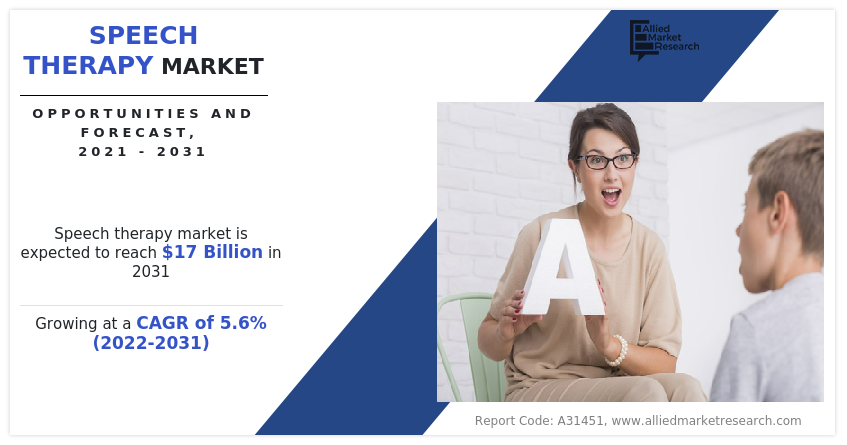
Speech therapy is used to treat speech impairment, neurological conditions, and other speech-related disorders by improving communication skills.
PORTLAND, OREGON, UNITED STATES, February 10, 2023 /EINPresswire.com/ -- What is Speech Therapy?
Speech therapy, also known as speech-language therapy, is a form of rehabilitation for individuals who have difficulties with communication, such as speaking, listening, reading, and writing. The goal of speech therapy is to help individuals improve their communication skills and reach their full potential in terms of speaking and language abilities.
Speech therapy can help individuals with a wide range of conditions and disorders, including:
1. Speech sound disorders: Difficulty producing specific sounds correctly, such as stuttering or articulation difficulties.
2. Language disorders: Difficulty with understanding or expressing language, such as difficulties with vocabulary, grammar, or sentence structure.
3. Voice disorders: Problems with the voice, such as hoarseness, breathiness, or excessive volume.
4. Swallowing disorders: Difficulty swallowing food or liquids, also known as dysphagia.
5. Cognitive-communication disorders: Difficulty with thinking and communication skills, such as attention, memory, and problem-solving.
Speech therapy is typically provided by a licensed speech-language pathologist and may involve individual or group therapy sessions. Therapy can be done in person or through teletherapy and may involve a variety of techniques and activities, including speech exercises, language games, reading and writing tasks, and others.
Request Report Sample - https://www.alliedmarketresearch.com/request-sample/31901
• CAGR: 5.6 %
• Current Market Size: USD 9.9 Billion
• Forecast Growing Region: APAC
• Largest Market: North America
• Projection Time: 2022 - 2031
• Base Year: 2022
Speech Therapy market
The speech therapy market is a growing market, driven by the increasing prevalence of communication disorders and the growing demand for speech therapy services. The market is also driven by advancements in technology, which have made speech therapy more accessible and convenient, and increased awareness of the benefits of speech therapy.
The global speech therapy market is segmented based on therapy type, end-user, and geography. Some of the key players operating in the market include SpeechPathology.com, Learning Services, Childhood Speech and Language Services, LLC, The Speech Therapy Centers, and many others.
In terms of therapy type, the market is segmented into pediatric speech therapy and adult speech therapy. The pediatric speech therapy segment is the largest segment, driven by the high incidence of speech and language disorders among children.
In terms of end-user, the market is segmented into hospitals, clinics, schools, and others. The hospitals segment is the largest segment, driven by the increasing demand for speech therapy services in hospitals and the increasing number of hospital-based speech therapy clinics.
Speak to our Analyst - https://www.alliedmarketresearch.com/connect-to-analyst/31901
In terms of geography, the market is segmented into North America, Europe, Asia-Pacific, Latin America, and the Middle East and Africa. North America is the largest market, driven by the increasing prevalence of communication disorders, the growing demand for speech therapy services, and the presence of a large number of speech therapy clinics and hospitals in the region.
Overall, the speech therapy market is a growing market, driven by the increasing prevalence of communication disorders and the growing demand for speech therapy services. The market is expected to continue to grow in the coming years, driven by advancements in technology and increased awareness of the benefits of speech therapy.
Speech Therapy Market Trends –
The speech therapy market has been impacted by several trends in recent years, including:
1. Teletherapy: The increasing use of teletherapy, or online speech therapy, has made speech therapy more accessible and convenient for individuals, particularly those in rural or remote areas. Teletherapy has also allowed speech-language pathologists to reach a wider patient population, regardless of location.
2. Increased awareness of speech and language disorders: Increased awareness of speech and language disorders has led to increased demand for speech therapy services. This has been driven by increased media attention and campaigns by advocacy groups and healthcare organizations.
3. Advancements in technology: Advancements in technology, such as speech recognition software and mobile apps, have made speech therapy more interactive and engaging, and have improved outcomes for patients.
4. Growing demand for speech therapy services in developing countries: The growing demand for speech therapy services in developing countries, such as India and China, has increased the growth potential of the speech therapy market in these regions.
Related Reports-
Rapid Tests Market
Mass Spectrometry Market
David Correa
Allied Analytics LLP
+ +1 503-894-6022
email us here
Visit us on social media:
Facebook
Twitter
LinkedIn
Legal Disclaimer:
EIN Presswire provides this news content "as is" without warranty of any kind. We do not accept any responsibility or liability for the accuracy, content, images, videos, licenses, completeness, legality, or reliability of the information contained in this article. If you have any complaints or copyright issues related to this article, kindly contact the author above.
