
Requirements for a Legally Valid Will in Florida
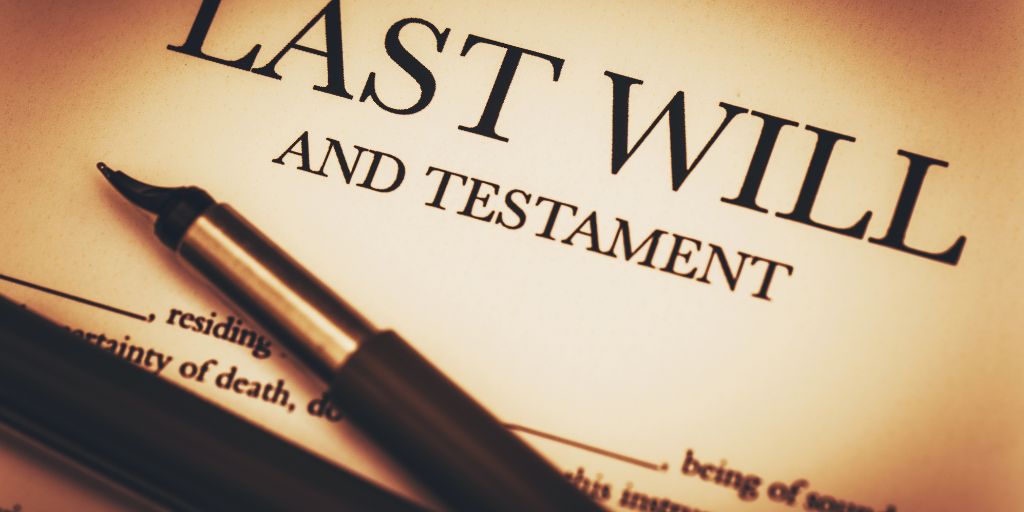
Legally Valid Wills in Florida
Know the requirements for legally valid wills in Florida to ensure the courts follow the wishes laid out in a last will and testament.
COCOA, FL, UNITED STATES, August 29, 2022 /EINPresswire.com/ -- Creating a legally valid will is vital to ensuring peace of mind regarding an estate after one passes away. Drafting a legally valid will requires more than writing out where assets are to be distributed upon death.In Florida, several guidelines must be followed for the courts to find the document and its directives legally valid during the probate process.
Wills and Probate in Florida
Florida residents should prepare a will if they want to control the allocation of their estate and assets after passing. They are not required to have a last will and testament, but without one, it falls to the state to determine how to distribute an estate and assets.
Generally, the state distributes assets based on closest relatives such as a spouse and children through the intestate laws. To divide assets according to one's wishes, one must create a personalized will. Ensuring the legal validity of a will by following all legal requirements in Florida prevents a will and any modifications from being invalidated. It also ensures the court acts according to ones wishes.
As the testator, the person creating the will can choose anyone eligible under Florida law to become the estate’s executor, also known as a personal representative. The testator is responsible for directing the allocation of assets and may also set up trusts for asset management.
In 2019, Governor DeSantis signed the Florida Electronic Wills Act into law, which allows individuals in Florida to execute their will electronically using online notarization legally.
Individuals considering creating a will electronically should seek assistance from an experienced will and probate attorney before signing the will, as this process requires several specific steps and documents.
Legal Requirements for Wills in Florida
Every state establishes specific requirements that individuals must follow if they want their will to be legally binding. Under Florida law, a last will and testament is only considered legally binding if it meets the following criteria:
- It is in writing: Nuncupative wills (given verbally) or holographic wills (handwritten by the testator without a witness’ signature) will not be accepted as valid by Florida probate courts.
- It is created by a competent person: Anyone considered of sound mind is eligible to act as a testator. The testator must understand the will’s nature, extent, and practical effect. Individuals under 18 cannot act as testators unless they qualify as emancipated minors.
- It is signed by the testator: Any mark, letter, symbol, or initial can qualify as a signature.
- It is signed by and in the presence of at least two witnesses: When each witness signs the will, the testator and the other witness must be present. Witnesses must, like the testator, clearly possess a sound mind for the will to be considered binding.
- It can be amended or revoked: Individuals must be able to create a subsequent will or codicil (modifies to a will) that can amend or revoke the original will. If there is any inconsistency between the original will and the codicil, Florida law considers the original will invalid. The addendum must also have the same execution formalities as the original will.
- It can be contested: A will cannot enforce any provision that discourages another person from contesting the terms of the will. Florida courts will not enforce such provisions; however, individuals wishing to contest the will must do so after the testator passes away.
Additional Considerations for Wills in Florida
When creating a will in Florida, working with a will and probate attorney will simplify the process. An experienced estate planning attorney can help one understand additional considerations for wills in Florida.
For example, Florida law does not require standardized documentation or official terminology (phrasing, language) in the will to make it valid. As long as the will is executed within Florida law’s required formalities, the will is legally binding.
Florida law only requires notarization of the will if an individual wishes to categorize the will as self-proving. A self-proving will does not require a witness testimony for probate. In Florida, both the testator and the witnesses must sign a self-proving affidavit which they must then get notarized. A self-proving will can be entered into the probate courts without further proof of authenticity, making them an excellent tool for speeding up the probate process. Seeking assistance from a will and probate lawyer is recommended.
Under What Circumstances Can a Will Be Invalidated?
Courts can only invalidate a last will and testimony under these circumstances:
- Improper execution: Probate courts may declare a will invalid if it lacks two witness signatures, the testator was under 18, or the person writing the will is declared unsound of mind.
- Procured by fraud: If the testator is unaware of what they are signing, or someone intentionally misleads the testator into signing the will, the court may invalidate the will.
- Undue influence: If someone puts undue pressure on an individual to include certain words in the will that do not reflect the creator’s wishes, the will may not hold up in court.
- Lack of testamentary capacity: Anyone executing a will must understand the actions they are taking by signing the will. This includes knowing what assets they possess, who the assets are going to, who their natural heirs are, and the effect of the will.
- Duress: No one can physically threaten or coerce someone to create, witness, or sign a will.
While many of these factors are grounds to declare a will legally invalid, a minor drafting or execution error may not lead to complete invalidation of the will. If the will contains an error, the probate courts must decide whether or not to declare the will procedurally invalid.
The court can declare certain portions of the will legally invalid while keeping the remaining valid document sections intact.
Legal Eagles
Mario Gunde Peters & Kelley
+1 321-631-0506
admin@legal-eagles.com
Visit us on social media:
Facebook
LinkedIn
Legal Disclaimer:
EIN Presswire provides this news content "as is" without warranty of any kind. We do not accept any responsibility or liability for the accuracy, content, images, videos, licenses, completeness, legality, or reliability of the information contained in this article. If you have any complaints or copyright issues related to this article, kindly contact the author above.
