
AMAZON WAREHOUSE ROBOTS INCREASE WORKER INJURES IN PHILADELPHIA REGION
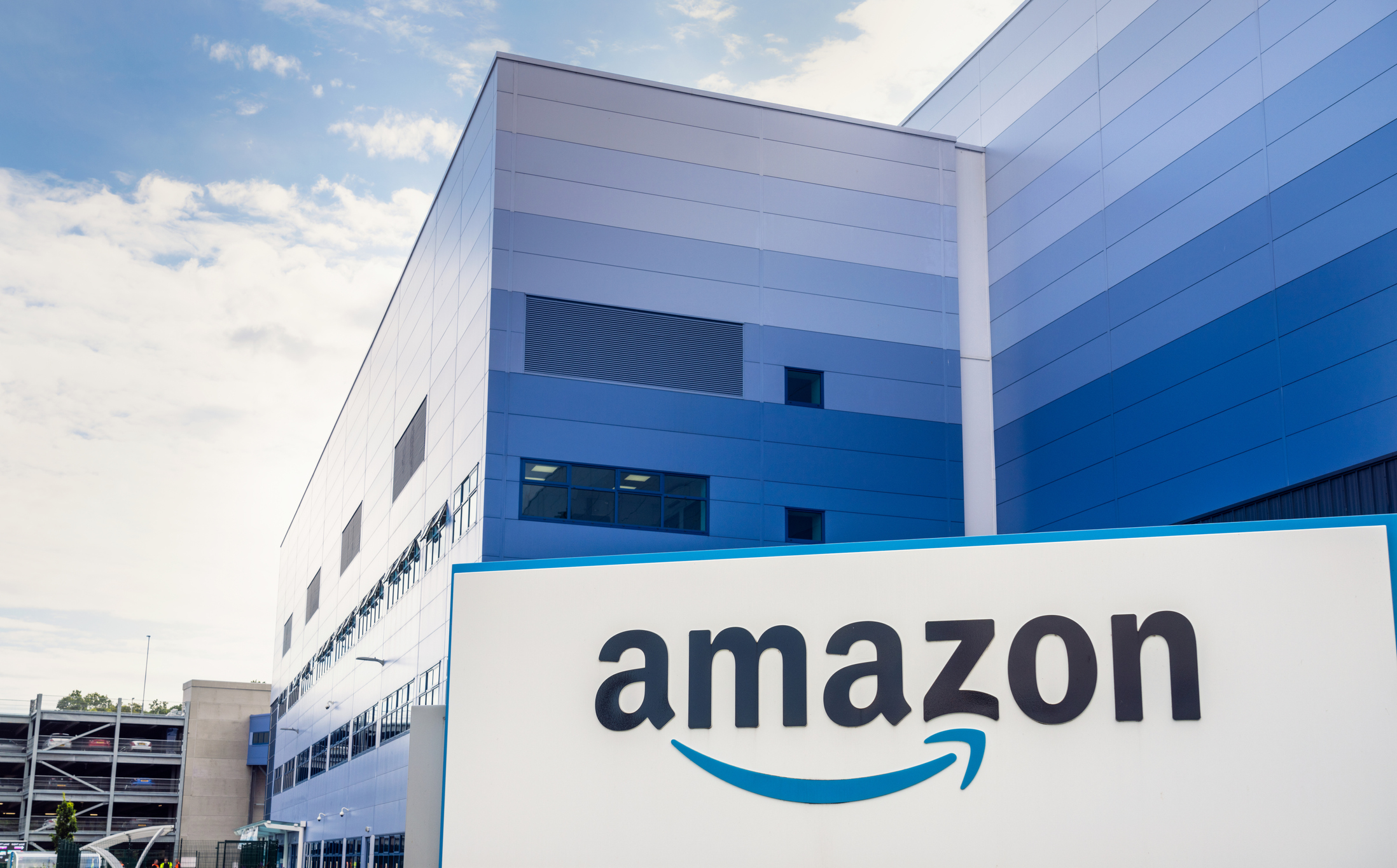
Injured in an Amazon Warehouse
The use of robots at Amazon warehouses and fulfillment centers increases the risk of worker injuries in Pennsylvnia.
PHILADELPHIA, PENNSYLVANIA, USA, February 22, 2022 /EINPresswire.com/ -- Amazon’s reliance on robots in their Philadelphia region warehouses and fulfillment centers is resulting in increased worker injuries. Amazon has a well-documented record of worker injuries. Now, with expansion and a growing footprint in the Pennsylvania region, the impact of robots on workplace safety is front and center for Amazon employees.
Data from the Occupational Safety and Health Administration (OSHA) disclosed that Amazon warehouses and fulfillment centers are nearly twice as dangerous for workers than competitor’s facilities. A more recent report by the Strategic Operating Center (SOC), a coalition of four labor unions representing over 4 million workers, exposes that Amazon facilities with robots have a higher rate of worker injuries than facilities without robots. SOC’s analysis is that Amazon’s robots maximize speed, and the result is a higher rate of worker injury.
The dangers of robots and increased speed is magnified by the expanding footprint of Amazon in Pennsylvania, Delaware, and New Jersey. The region has nearly sixty facilities and that number continues to climb as does the size of the facilities. For example, Amazon’s $250 million dollar flagship facility is five stories tall and covers an area the size of seven football fields. With thousands of robots significantly outnumbering human workers, the probability of worker injury grows.
“The issue for Amazon employees working with robots,” explains Larry Pitt, a workers’ compensation attorney and founder of Larry Pitt & Associates, “is that workers are not only forced to keep up with the speed of the robot but must contend with heavy objects placed by robots on top of the eight-foot-high stacks. This creates a hazardous workplace condition.” With a culture centered on speed and productivity, Amazon leads the warehouse industry in worker injuries. The SOC analysis comparing Amazon injury rates to that of its nearest competitor, Walmart, reveals that Amazon warehouses were far more dangerous. Amazon warehouses in Pennsylvania reported 7.2 serious incidents for every 100 employees working full time for a year. By comparison, non-Amazon warehouses in Pennsylvania had a serious injury rate of 3.9 per 100 full-time workers in the same period.
“Employees need to be aware that when hurt in a workplace accident, they are entitled to workers’ compensation benefits, even if they are employed temporarily, part-time or seasonally,” says Pitt. Some of the most common Amazon workplace injuries include repetitive stress to the back, neck, and hands - everything from ruptured discs to muscle damage, tendonitis, and carpal tunnel syndrome. Head and spine injuries, broken bones, heart attacks and other catastrophic injuries, and even deaths, have also been reported. Pitt says that even when the employee complies with requirements for timely reporting their job-related injuries, Amazon frequently denies responsibility or minimizes benefits unjustly.
“Railroading loyal workers hurt while producing profit for the company is outrageous but, unfortunately, business as usual for Amazon,” Pitt says. “Fighting this aspect of Amazon culture is the only way to change the dire statistics.”
Injured in an Amazon Warehouse Accident? Call Our Amazon Workers’ Compensation Attorney in Philadelphia, PA
With 40 years’ experience handling workers’ compensation claims throughout Pennsylvania, Larry Pitt & Associates is ready to help if you have been injured in an Amazon warehouse or distribution center. Learn your rights by calling 888-PITT-LAW or 877-748-8539 or online at https://www.larrypitt.com/contact/.
LARRY PITT
LARRY PITT & ASSOCIATES
+1 215-546-0011
lawyers@larrypitt.com
Legal Disclaimer:
EIN Presswire provides this news content "as is" without warranty of any kind. We do not accept any responsibility or liability for the accuracy, content, images, videos, licenses, completeness, legality, or reliability of the information contained in this article. If you have any complaints or copyright issues related to this article, kindly contact the author above.
