
Machine Learning in Retail: Building Smarter Inventory Models
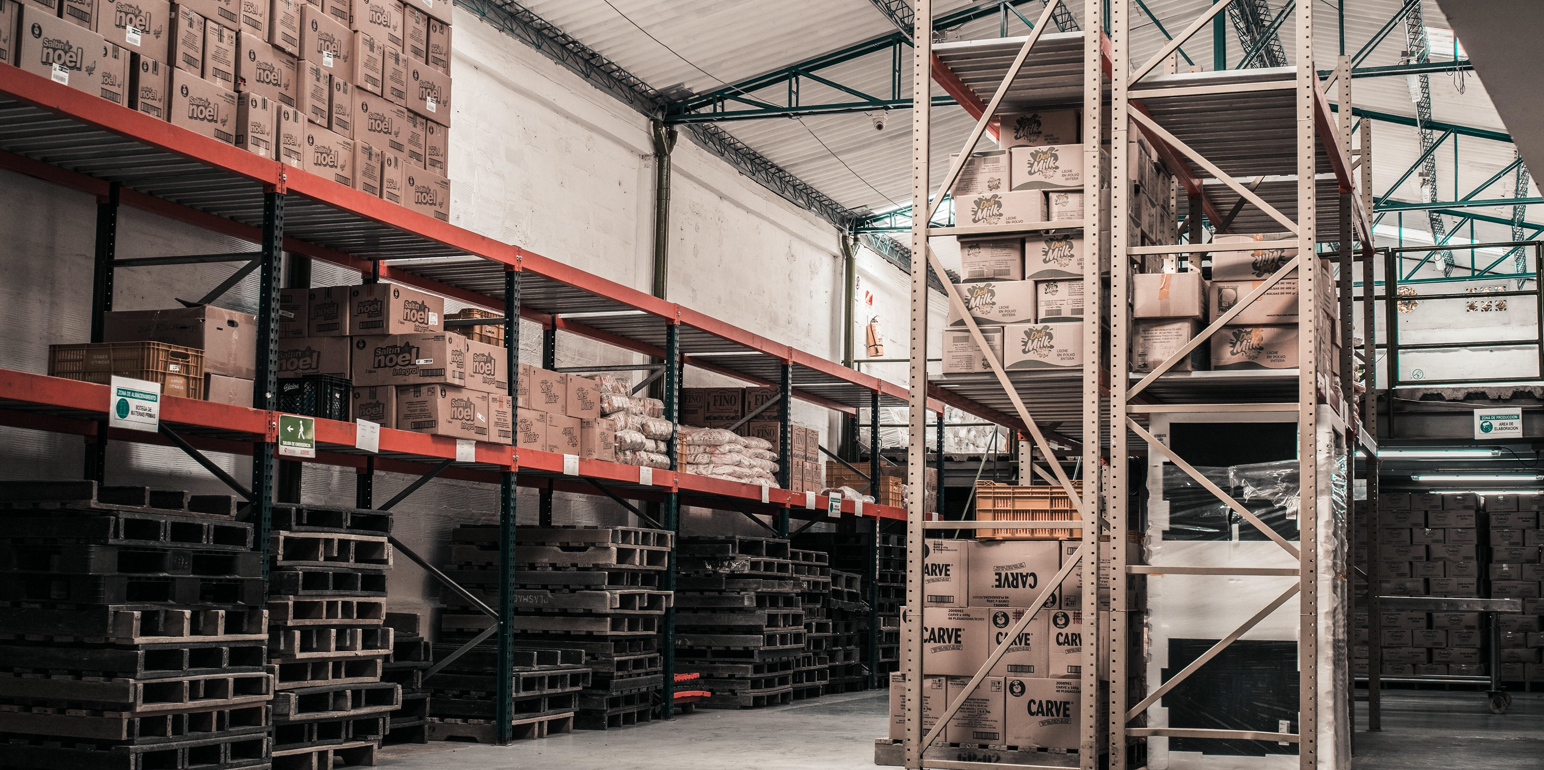
Who could possibly have known, back in those carefree days of early January 2020, that the best-selling items of the coming months — the products to really fly off the shelves around the world — would be face masks, hand sanitizer, and toilet paper?
Trends like these can happen abruptly, triggered both by major events and seemingly innocuous ones. For retailers, and for procurement and inventory managers, in particular, this can be nothing short of catastrophic. If the backend of a retail operation fails to keep up with changes in the market, retailers end up with tons of useless inventory or shortages that cede profitable opportunities to their rivals.
Challenges in inventory management
As we’ve seen, retail markets can be volatile. Customers can be fickle. Supply chains are fraught with risks that can blindside retailers with serious delays and shortfalls. On one hand, they need to track shopper preferences, previous sales figures, historic trends, and even what people are saying online. On the other, they need to constantly order products ahead of time, taking a chance that they’re making the right call. If they get it wrong, they risk being stuck with inventory they can’t move, wasting money on parts, products, transport, and warehousing.
This makes trying to build inventory models manually incredibly difficult. Common pitfalls retailers face in their standard inventory management include:
-They only have internal sources to work with
-It takes too long to build a system
-It uses the wrong data
-It’s not always accurate
-It’s prone to bias
Let’s take a look at these problems in more detail — and how machine learning in retail helps to tackle them.
Some of the major benefits of using machine learning in retail include:
-Capturing a wider array of data
Historical sales figures and patterns only tell so much. Retailers may think they know how well a product will sell next quarter, but throw in a usually cold summer or even a global pandemic, and suddenly all bets are off. Unless, of course, they have access to exactly the right data sources to answer these unexpected questions.
If they’re running a machine learning project that combines external data sources, they aren’t restricted to the information they have in-house. Retailers might look at more nuanced purchasing patterns based on factors like weather conditions, region, and location. They might decide to contextualize demand by looking at annual earnings or other demographic data. They could analyze mentions of products and styles on social media. Or look at vendor purchasing habits based on major internal or external events.
If retailers are using a platform that automates seamless connections to pre-vetted external sources, they can pivot to the most relevant information in no time at all. Using augmented data discovery tools, they can automate their search for the most up-to-date data sources to fill in the gaps, ensuring their models always deliver relevant, accurate insights.
-Understand the data better
Chances are, a marketing team collects masses of data from a broad range of sources, including site data and social media. But are retailers using this data to its full potential, or are they drowning in it?
A carefully conceived machine learning project will help organize that data, make astute connections, reveal important customer behavior patterns, and predict how the market — or an individual buyer — is likely to behave next.
-This means results faster
Using the right tools for machine learning in retail means the automation of a lot of the heavy lifting, particularly in the data preparation stage. This means getting models into production faster and incorporating new external data sources with fewer delays. All of which means getting the answers needed to manage inventory now… not in a month when the industry has already moved on.
-Reduce bias
If forecasts are created manually, they are likely focusing on average values and point predictions, which don’t take uncertainty into account. It’s also likely that the system used has a tendency to slightly over or under-forecast, which isn’t particularly helpful, especially if the team is aware of this and starts overcompensating in the opposite direction.
On the other hand, when retailers are constantly feeding new information from different sources into their models, they move away from over-reliance on any one system. This means the model is always adapting to new information, correcting any systemic biases that can arise when they focus too much on one dataset or line of inquiry.
-Lower your inventory and ordering costs
Fluctuations in the market and customer preferences can create serious — and expensive — headaches for procurement. By incorporating dynamic data streams that reflect these real-time changes into your machine learning models, retailers can respond much faster, ensuring they’re only ordering what they need when they need it. For example, by developing a forecasting model driven by machine learning and incorporating a broad range of external data sources, one of our clients was able to shift over to just-in-time shipping and reduced inventory costs by 17%.
Final thoughts: machine learning to move with the times
Machine learning in retail gives retailers the ability to track moods and trends and respond to them at lightning speed, translating these insights into inventory management that cuts cost while maximizing sales opportunities. The potential of machine learning to make them more efficient and competitive is enormous, but they do also need to make sure they’re using the right technology to make it happen.
Explorium offers a first of its kind data science platform powered by augmented data discovery and feature engineering. By automatically connecting to thousands of external data sources and leveraging machine learning to distill the most impactful signals, the Explorium platform empowers data scientists and business leaders to drive decision-making by eliminating the barrier to acquire the right data and enabling superior predictive power.
Shelby Blitz
Explorium
+972 58-7333765
email us here
Legal Disclaimer:
EIN Presswire provides this news content "as is" without warranty of any kind. We do not accept any responsibility or liability for the accuracy, content, images, videos, licenses, completeness, legality, or reliability of the information contained in this article. If you have any complaints or copyright issues related to this article, kindly contact the author above.
