
Meat processing in the European Union - where tradition meets modernity
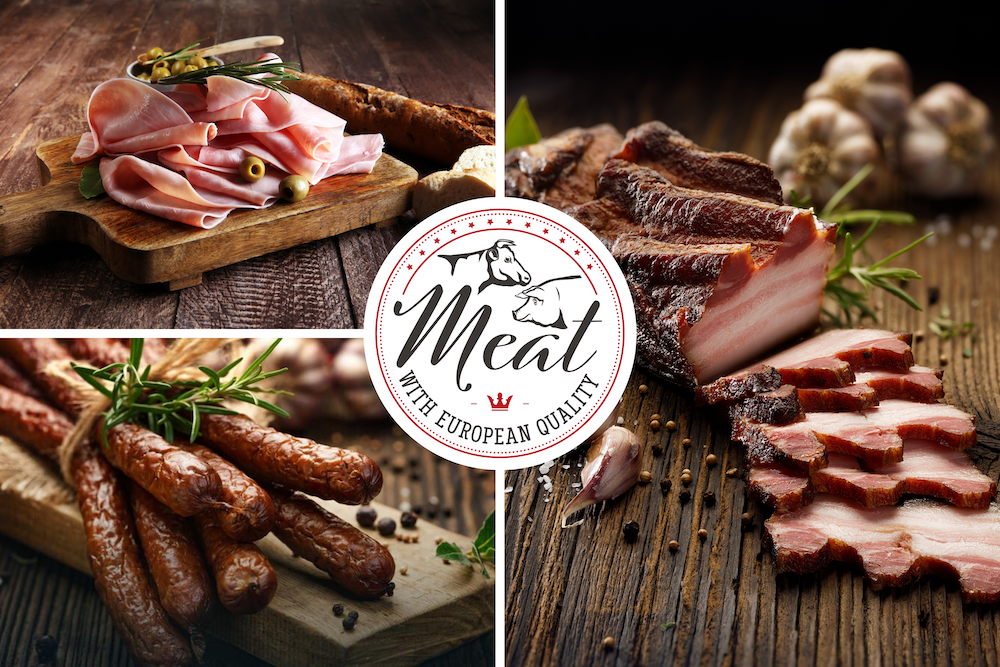
Generations of European meat processors have been providing consumers with quality products that are recognized around the world
A clean label, low calorific value and good composition of the product at a good price are the main demands of modern consumers buying cold cuts and sausages.
WARSZAWA, POLAND, April 10, 2020 /EINPresswire.com/ -- A clean label, low calorific value and good composition of the product while maintaining a good price are the main demands of modern consumers buying meat products. Generations of European producers and processors have been striving to provide consumers with quality products that are recognised around the world, including in the United States and Canada.
The production of meat products in the European Union is characterised by great diversity - matured meats and various types of sausages are only part of it. The most recognizable products include: jamon, prosciutto, chorizo, salami, kabanos, mortadela, Vienna sausages, kindziuk, kolbasz, Black Forest ham, sirloin, szalonna, sobrasada and pancetta. Apart from the tradition, which often stretches over hundreds of years, European products are famous for many interesting and diverse production processes.
In particular, maturing is a production method that distinguishes European products on the world market. This process was known in Europe as early as in ancient times, where it was used to make products that were easy to store and transport by the Roman army . Maturation may vary from one meat product to another, but it usually consists of several basic stages:
• Selection. Not every piece of meat is suitable for making matured products. Meat stored at the inappropriate temperature after slaughter, or with the wrong pH of over 6.2, may be of the improper colour and prevent the development of the right bacteria, responsible for maturation. Pieces of meat should also be evenly shaped, as the maturation time depends on the size of the pieces.
• Removal of elements that hinder the process - some parts of skin or fat. Blood also needs to be carefully removed from the meat.
• Pre-salting - salt is applied by rubbing the meat, which then remains covered in salt for several days. The product then loses up to 7% of its water content. Salting time depends on the size of the piece - it is assumed that this process takes about one day per kilo of meat.
• Removing salt from the surface of the product.
• Maturation stage after salting. The product is hanged for about a month at a temperature of 3-5°C in high air humidity. The aim of this stage is for the salt to penetrate into the product.
• Drying. The temperature is increased to 12-14°C and the air humidity is reduced
to 60-80% for 3 months.
• Proper maturation. The temperature is raised to 20°C and the humidity is reduced.
In the process, over one month the product develops a unique taste and aroma through enzymatic reactions that take place in it. The final product contains 35% less water than the fresh, chilled meat used as the raw material.
Matured products are so tasty thanks to the actions taken to reduce the content of different salts in the products and during the production process. Meat maturing is a long process that requires precision and experience, and the higher price is justified by the long production period and significant loss of water.
In regions where weather conditions make it difficult to mature meat, smoking has become more popular. This process involves subjecting the meat to the preservative effect of smoke produced by wood burning. There are three most popular types of smoking:
• cold smoking (16–22 °C)
• warm smoking (22–40 °C)
• hot smoking (40–90 °C)
The result of smoking is a dried, safe and naturally preserved product. The aroma and colour of the meat depend on the wood that is burned. In practice, most European deciduous trees are suitable for this method. European fruit trees give meat products especially interesting taste and colour.
The most popular smoked products are sausages, hams, kabanoses and cold cuts. As a result of smoking, these meats develop an appetising colour, smell and taste while maintaining their nutritional value. These products are also safe because there are strict laws in the European Union which regulate the issue of residues of substances resulting from wood burning in products intended for consumption.
Whether you reach for long-matured meat or smoked sausages from Europe, you can be sure that the product you chose is safe. This is guaranteed by EU law, a number of additional regulations and years of practice and experience of EU producers. Even a small addition of aromatic European sausage can turn an ordinary breakfast into a culinary feast.
All information on the campaign and current activities carried out within its framework are available on the website and on the Youtube channel.
Discover with us the advantages of European red meat and its products!
ABOUT UPEMI:
The Union of Producers and Employers of Meat Industry (UPEMI) is a dynamic and modern organization integrating the environment of pork and beef producers in Europe. Our mission is to provide reliable and comprehensive information on high-quality meat products and the promotion of European meat on foreign markets. Our members are companies that share the values of honest animal husbandry and the production of quality pork and beef.
+48 22 858 74 58
email us here
Union of Producers and Employers of Meat industry
Meat with European quality campaign
Legal Disclaimer:
EIN Presswire provides this news content "as is" without warranty of any kind. We do not accept any responsibility or liability for the accuracy, content, images, videos, licenses, completeness, legality, or reliability of the information contained in this article. If you have any complaints or copyright issues related to this article, kindly contact the author above.
