
Digestive disorders are among the most common diseases, explained by medical researcher and physician William Matzner

Dr William L Matzner California

Website of Dr William Matzner California
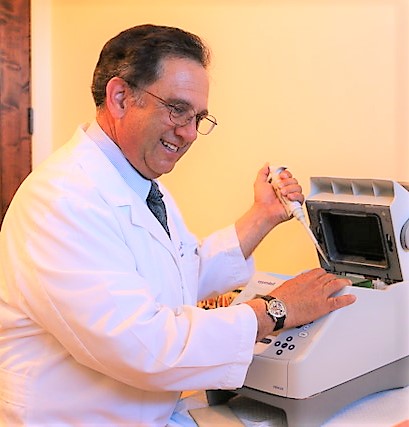
Dr William Lee Matzner, Simi Valley, California

Dr William Lee Matzner, Simi Valley, California

William L Matzner, Simi Valley, CA
Digestive Disorders can happen to anyone, anytime. A new easy-to-understand article by Dr. William Lee Matzner explains in detail.
Healthcare Analytics, LLC (N/A:N/A)
Digestive disorders are among the most common diseases. People all around the world develop these problems regardless of their age or gender. Your eating habits play a significant role in maintaining the health of your digestive system so you should keep a check on what you eat.
Your digestive system consists of your digestive tract and organs that help in breaking down food that you eat. Your digestive tract can develop problems which make your body unable to digest food properly. People who do not take care of their eating habits are more likely to develop these problems. Here are the most common types of digestive disorders and the factors that increase the risk of developing them.
1. Acid Reflux
Do you feel a burning sensation in your chest after you’ve eaten a big juicy burger loaded with lots of cheese? This condition is termed as acid reflux. The medical term used for it is Gastroesophageal Reflux Disease or GERD. The ring-shaped muscles on top of your stomach become weak, resulting in the stomach acid leaking back into your food pipe. You can reduce the risk of developing GERD by eating low-fat foods and decreasing the size of your meals.
2. Constipation
We all know what it feels like to be constipated. It happens when your diet lacks foods that contain fiber, resulting in difficulty passing stool. Your intestine does not contract enough to allow stool to pass out of your body. Eating fruits and drinking adequate amount of water will help you reduce the chances of developing constipation.
3. Gastroenteritis
Gastroenteritis, commonly known as stomach flu, is a condition caused when bacteria or viruses enter your stomach. This condition results in severe stomach pain, diarrhea and vomiting. It happens when you eat food that contains bacteria. Gastroenteritis is more common in children than it is in adults. You can reduce your chances of developing stomach flu by eating meals prepared at home and avoiding eating unhygienic foods. Eating unwashed fruits, undercooked meat and unpasteurized dairy products are the common causes of food poisoning which results in stomach flu.
4. Gallstones
Your liver has a small sac attached to it which stores bile – a fluid that helps in digesting fatty foods. This sac is known as the gallbladder and it often develops solid deposits called gallstones. They develop as a result of eating high-fat foods or sometimes if your gallbladder is unable to clear out all of the bile present inside it. You’re at a high risk of developing gallstones if you consume too much fatty foods or if this condition runs in your family.
5. Inflammatory Bowel Disease
Inflammatory bowel disease (IBS) is the condition in which you feel a long-lasting burning sensation in your abdomen. Ulcerative colitis and Crohn’s disease are two conditions that fall into this category. The symptoms of IBD include diarrhea, severe stomach pain and weight loss. Your doctor will prescribe drugs to treat IBD or suggest that you go for a surgery if the medicines don’t work.
Keeping a strict check on the food that you eat can reduce your chances of developing digestive disorders. If you experience severe abdominal pain and diarrhea which lasts for weeks, consult a doctor immediately. Ignoring these symptoms will worsen your digestive problems and weaken your digestive system, notes Dr. Matzner.
About William L. Matzner, MD, PhD, FACP
Dr. William Lee Matzner works in the area of healthcare economics consulting at Healthcare Analytics, LLC, in California. He graduated Phi Beta Kappa from Stanford University. He received his M.D. with Honors from Baylor College of Medicine. In 1988, he was the Solomon Scholar for Resident Research at Cedar Sinai Medical Center. Dr. Matzner subsequently was awarded a PhD in Neuro Economics from Claremont Graduate University. He is board certified in Internal Medicine and Palliative Medicine. He has researched and published extensively on the issue of reproduction and immunology in medical literature. He has been in private practice since 1989, specializing in Reproductive Immunology and Internal medicine.
Website: https://drwilliammatzner.com
Consulting Website: https://healthcareanalytics.biz
LinkedIn: https://www.linkedin.com/in/william-matzner-md-phd-mba-60219730
Blog: https://drwilliammatzner.blogspot.com
News: https://hype.news/dr-william-matzner/
News: https://hippocratesguild.com/dr-william-matzner
News: https://medicogazette.com/dr-william-matzner
Dr. William Matzner
Healthcare Analytics, LLC
+1 818-648-3551
email us here
Visit us on social media:
LinkedIn
Functional GI Disorders - Mary Farid, DO | UCLA Digestive Diseases
Legal Disclaimer:
EIN Presswire provides this news content "as is" without warranty of any kind. We do not accept any responsibility or liability for the accuracy, content, images, videos, licenses, completeness, legality, or reliability of the information contained in this article. If you have any complaints or copyright issues related to this article, kindly contact the author above.
