
Japan and Islamic Finance
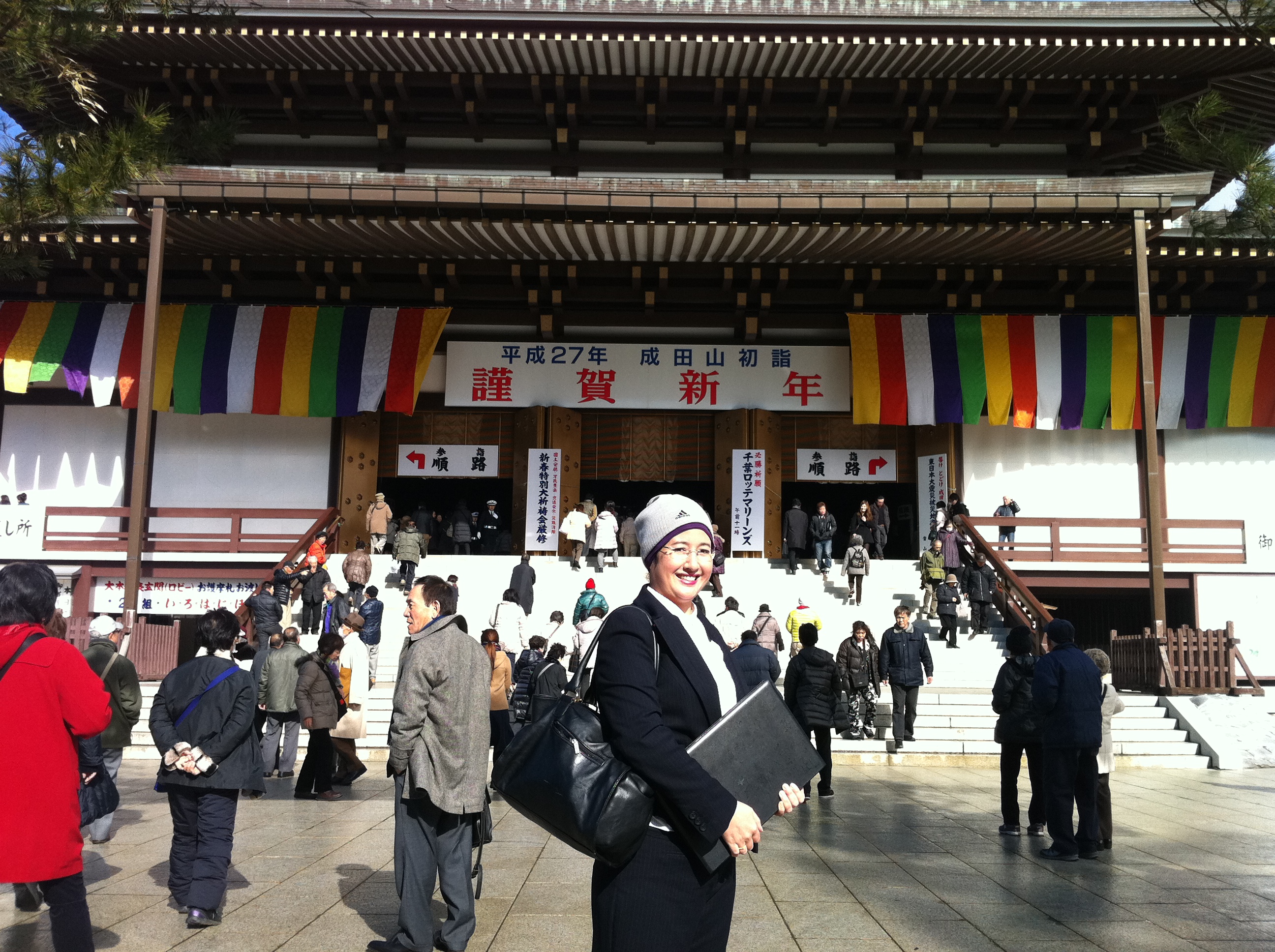
Islamic finance is rising on the horizon of the Land of the Rising Sun.
Japan has taken the necessary legislative and regulatory steps to make the East Asian Tiger Islamic finance and sukuk ready.
TOKYO, JAPAN, January 23, 2015 /EINPresswire.com/ -- Camille Paldi, CEO of the Franco-American Alliance for Islamic Finance, while on a trip to Tokyo, Japan commented that Japan is an emerging Islamic finance powerhouse and East Asian hub for the billion dollar Islamic finance industry. Japan has traditionally been known as an economic powerhouse and East Asian Tiger and therefore this Islamic finance role is fitting with the image of Japan as an economic and financial giant. In addition, the sword exterior and chrysanthemum interior of Japan (The Sword and the Chrysanthemum) is quite conducive to the soft interior of Islamic finance, which is being played out in an extremely competitive global marketplace. The competition for investments from cash-rich Gulf and Asian investors is fierce. However, with Japan’s discipline and hard work ethic, Paldi is confident that Japan can become a major player in the Islamic finance industry. In addition to the Japanese government, the Japanese keiretsu, similar to the South Korean Chaebol, are interested in issuing sukuk to raise capital for Japanese businesses and to increase their competitiveness in domestic and global financial markets. Islamic finance is definitely on the horizon of the Land of the Rising Sun. — Camille Paldi
According to Tariqullah Khan, Japan’s interest in Islamic finance began in 2005. Khan explains that Japanese financial institutions cooperated with Islamic financial institutions in Malaysia and the UAE as a means of indirect expansion and that Islamic finance has been used as a method to attract investment from Islamic investors into Japan. The first sukuk was issued by Aeon Credit Services in Malaysia in 2007. Next, in 2010, Nomura Investment Company issued sukuk in US$. In 2012, Toyota Motor Corp. sold USD$88 Million of sukuk in two offers via its unit Toyota Capital Malaysia Sdn. due for maturity in May 2015. In 2014, Bank of Tokyo-Mitsubishi UFJ (Malaysia) Bhd, a member of the financial group that is part of Japan’s biggest lender by market value, set up a $500 million multi-currency sukuk program and is also considering the world’s first yen denominated sukuk.
In 2007, Japan amended FIEL, which is the Financial Instrument and Exchange Law and in 2008, the Banking and Insurance Business Law was amended enabling subsidiaries of Islamic IFI’s and banks to engage in Islamic financial transactions in Japan including ijarah and murabahah sukuk. In 2009, the rules were changed so that interest income would be tax free when an overseas sovereign fund invested in Japanese bonds or deposits. In addition, in 2011, the Asset Securitization Act was amended so that the ijarah sukuk would be considered as a special bond type beneficial interest issued by SPT or the Specified Purpose Trust. Before this reform, when a Japanese company issued sukuk to foreign investors, the distribution of profits of sukuk were subject to a 15% withholding tax while conventional bonds remained at 0% tax. Now, tax exemption is given to foreign investors who purchase bond type beneficial interests, which are quasi-bond beneficial interests of a specified purpose trust (SPT). The SPT was established under the Asset Securitization Law, which is the basis for the issuance of sukuk in Japan. Next in 2011, Japan tailored the tax system to the issuance of special bond type beneficial interest. In 2013, the Sunset Provision was enacted, creating a tax exemption for the distribution amounts of sukuk received by foreign investors and exempting registration tax on the repurchase of the real estate for the same sukuk, thereafter expired on that same day. In sum, Japan allowed the income of foreign investors to be tax exempt and initiated tax reform for the special bond type beneficiary interest; issuance, including exemption of income; withholding tax on profit distributions and gains on redemption, property registration, and acquisition tax. Japan has taken the necessary legislative and regulatory steps to make the East Asian Tiger Islamic finance and sukuk ready.
Japan is a member of the IFSB Islamic finance regulatory body and has agreements with the MIFC or Malaysia International Islamic Financial Centre in Malaysia and through JICA or the Japan International Cooperation Agency with the ICD or Islamic Corporation for the Development of the Private Sector to receive technical assistance in the issuance of sukuk. Camille Paldi can be reached at camille@faaif.com.
FAAIF Limited is a legal and management consultancy firm servicing clients in Islamic banking, finance, and takaful. FAAIF Events is an events production and management company http://www.faaif.com.
Camille Paldi
FAAIF
+971569500562
email us here
Legal Disclaimer:
EIN Presswire provides this news content "as is" without warranty of any kind. We do not accept any responsibility or liability for the accuracy, content, images, videos, licenses, completeness, legality, or reliability of the information contained in this article. If you have any complaints or copyright issues related to this article, kindly contact the author above.
