
(Video) The Heroic Stories of Mohammad Ghobadlou, and Farhad Salimi, Two Protesters Executed by Cleric Regime in Iran
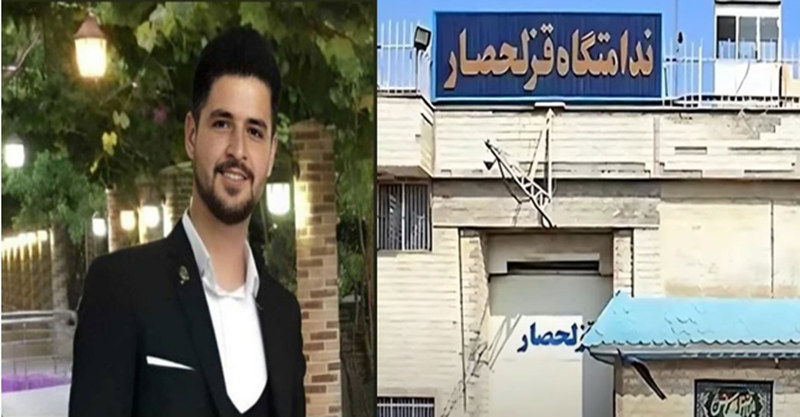
Iranian authorities in Ghezel Hesar prison, Karaj, executed political prisoner Mohammad Ghobadlou on Tuesday, January 23, 2024, for taking part in anti-regime protests. Ghobadlou, 23, was arrested in Tehran in October 2022, during the nationwide uprisings .
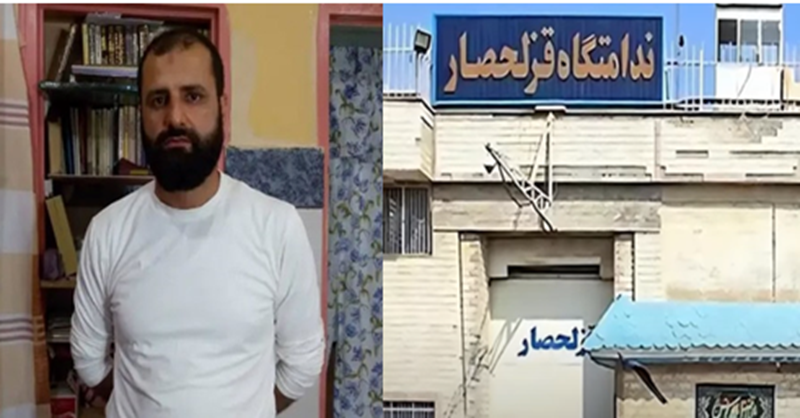
At the same day , Iranian regime authorities in Ghezel Hesar prison carried out the death sentence of political prisoner Farhad Salimi. This Kurdish prisoner of conscience from Saqqez, who had been on hunger strike for three weeks, was brutally executed.
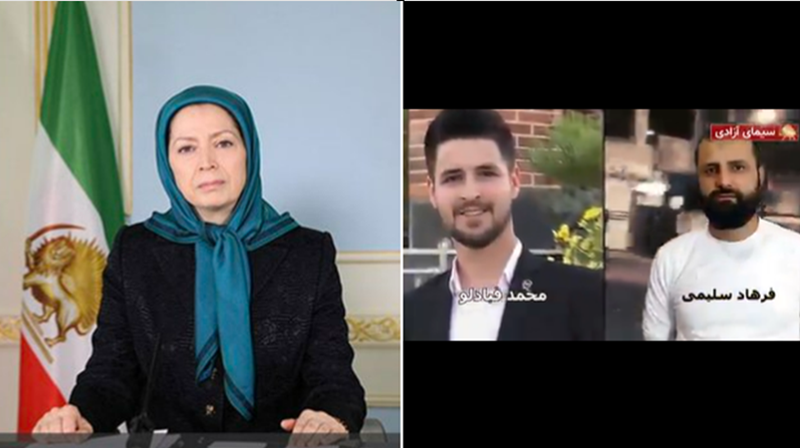
Mrs. Maryam Rajavi, the president-elect of the National Council of Resistance of Iran (NCRI), called on the UN to intervene to save the life of Ghobadlou and other political prisoners on death row, including Sunni political prisoner Farhad Salimi.
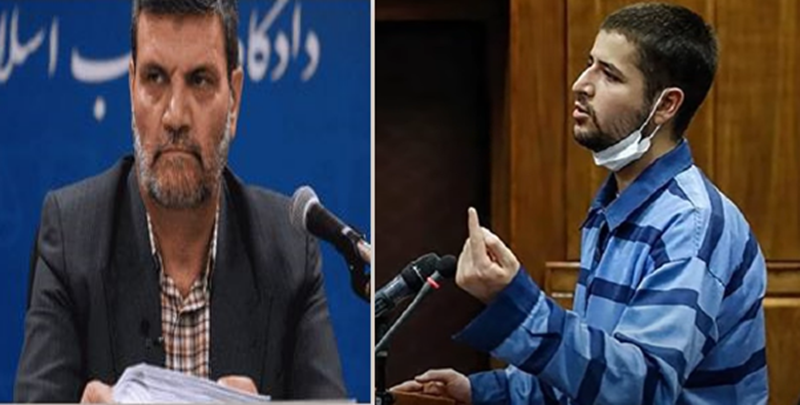
Mrs. Rajavi , "The cases of these prisoners are very vague and full of legal deficiencies and unfair proceedings. No lawyer has ever seen their case and the prisoners themselves have stressed that their sentences were a result of forced confessions under torture."
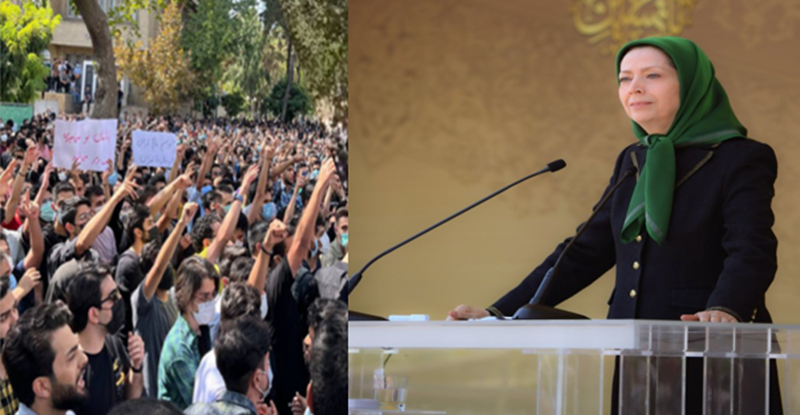
Mrs. Rajavi , " Expressed her condolences to Farhad’s and Mohammad’s friends and families and she said that the executions will “will only further strengthen the determination of Iranian youths and people to overthrow the malevolent mullahs’ regime.”
During the uprising 2022 , regime security forces killed more than 750 civilians and arrested tens of thousands. Dozens were sentenced to death to spread fear.
Ghobadlou, 23, was arrested in Tehran in October 2022, during the nationwide uprisings that erupted after the regime’s security forces murdered a young girl, Mahsa Amini, for violating the regime’s hijab rules.
He was charged with the murder of one of the repressive forces who had been dispatched to suppress the protests. His case was overseen by Abolghasem Salavati, a notorious judge under U.S. and European sanctions for his role in human rights abuses, especially against dissidents.
Ghobadlou was denied access to a lawyer of his choosing and was appointed an attorney by the court. He was charged with “Corruption on Earth” and sentenced to death despite a severely flawed judicial process and lack of evidence aside from confessions obtained under torture.
The regime upheld the death sentence despite international calls for revoking it.
On Monday, January 22, 2024, news broke of Ghobadlou’s imminent execution in Ghezel Hesar prison. International human rights organizations called for a halt to the sentence.
“The case of this young man with a disability arrested in connection with the 2022 protests has been marred by torture and secretive proceedings,” Amnesty International wrote on its X account calling on the regime to stop the execution.
Mrs. Maryam Rajavi, the president-elect of the National Council of Resistance of Iran (NCRI), called on the UN to intervene to save the life of Ghobadlou and other political prisoners on death row, including Sunni political prisoner Farhad Salimi.
“In these critical moments, I appeal for swift intervention from the UN and its pertinent agencies, specifically the Human Rights Council, the UN High Commissioner for Human Rights, the UN Special Rapporteur for human rights in #Iran, and the UN Special Rapporteur on the death penalty,” Mrs. Rajavi said. “It is imperative that collective efforts are made to save the lives of Mohammad and Farhad.”
Mrs. Rajavi also called on the people of Iran to protest the imminent execution.
Ghobadlou’s lawyer declared that the sentence was illegal based on the regime’s own laws. On Monday night, a group of people rallied in front of the prison to call for an immediate halt to the sentence.
The regime nonetheless carried out the execution on Tuesday morning. Its criminal judiciary declared that the execution was carried out under its barbaric law of “Retribution in Kind.”
Ghobadlou is the ninth political prisoner to be executed in relation to Iran’s 2022 nationwide uprising. The previous case was political prisoner Milad Zohrevand, 21, executed in Hamedan on November 23, 2023.
During the uprising, regime security forces killed more than 750 civilians and arrested tens of thousands. Dozens were sentenced to death. Prisoners were brutally tortured and mistreated and several prisoners committed suicide after their release due to the stress caused by the torture and reports that regime authorities injected them with drugs that caused severe depression.
At the same day , Iranian regime authorities in Ghezel Hesar prison carried out the death sentence of political prisoner Farhad Salimi. This Kurdish prisoner of conscience from Saqqez, who had been on hunger strike for three weeks, was brutally executed.
On December 31, 2023, Anwar Khezri, Kamran Sheikhah, Khosrow Besharat, and Farhad Salimi, four prisoners of conscience sentenced to death went on a hunger strike following the transfer of Davood Abdollahi to solitary confinement in preparation for his execution and the grave danger of their own death sentence.
On January 2, 2024, the regime carried out the death sentence of Davoud Abdollahi after a week of transfer to solitary confinement at the Ghezel Hesar Prison in Karaj. Ghasem Abesteh and Ayoub Karimi, other Kurdish prisoners of conscience, were also executed on November 5 and 29, 2023 at Ghezel Hesar Prison.
After the execution of Qasem Abesteh and Ayoub Karimi, security agencies told the families of the other prisoners to remain silent so that at least the bodies of the executed were delivered.
Amnesty International had warned about the imminent execution of Salimi and called for its immediate halt on January 22.
Mrs. Maryam Rajavi, the president-elect of the National Council of Resistance of Iran (NCRI) called on the UN to intervene and save the life of Salimi and Mohammad Ghobadlou, another political prisoner who was scheduled to be executed on Tuesday.
The cases of these prisoners are very vague and full of legal deficiencies and unfair proceedings. No lawyer has ever seen their case and the prisoners themselves have repeatedly stressed that their sentences were a result of forced confessions under torture and months of detention and interrogation in solitary confinement. The prisoners of conscience have been sentenced to death in a joint case for “corruption on earth.”
The prisoners were referred to the Supreme Court in 2019 after the death sentence was finalized. On September 9, 2020, Branch 38 of the Supreme Court rejected the request for a trial of these prisoners of conscience sentenced to death.
Anwar Khezri, Kamran Sheikhah, Khosro Besharat, Davood Abdollahi, Farhad Salimi, Ghasem Abesteh and Ayoub Karimi were arrested by security forces in Saqqez and Mahabad in late 2009 and early 2010 by security forces and transferred to the detention center of Urmia. The seven prisoners of conscience were subjected to physical and psychological torture in this security detention center for several months for forced confessions.
After the interrogation period ended at the Urmia Information Administration detention center, these seven political prisoners were transferred to Tehran’s Evin Prison and interrogated in solitary confinement in wards 240 and 209. On April 13, 2012, they were transferred to Gohardasht Prison in Karaj.
In early March 2016, the trial of these seven prisoners was held at Branch 28 of the Revolutionary Court in Tehran under the chairmanship of Judge Mohammad Moghiseh on charges such as “acting against national security”, “propaganda against the regime”, “membership in Salafi groups” and “corruption on earth”. On May 25, 2016, the death sentence was officially announced to them. After the lawyer in the case objected to the ruling, the case was referred to the Supreme Court.
After the case was referred to Branch 15 of the Revolutionary Court of Tehran, headed by Judge Abolghasem Salavati, in June 2018, the seven prisoners were sentenced to death again on charges of “corruption on earth.” Branch 41 of the Supreme Court upheld the sentence in February 2020.
The seven prisoners of conscience were transferred to Ghezel Hesar prison last summer after the closure and evacuation of Rajai Shahr Prison in Karaj.
On the same day that the regime executed Farhad Salimi, authorities in Ghezel Hesar also hanged Mohammad Ghobadlou, a youth who was arrested during the 2022 nationwide uprising and sentenced to death on charges of corruption on Earth.
These two brutal executions come against the backdrop of a killing spree in Iran’s prisons, with more than 360 executions since the beginning of war in Gaza in October, including nearly 100 executions in the past month.
The regime is trying to spread fear in the increasingly restive society with repression and executions. But so far, its repressive measures have had the reverse effect of further strengthening the resolve of Iran’s youth to overthrow the regime.
Mrs. Rajavi expressed her condolences to Farhad’s friends and families and said that the execution will “will only further strengthen the determination of Iranian youths and people to overthrow the malevolent mullahs’ regime.”
Shahin Gobadi
NCRI
+33 6 61 65 32 31
email us here
Iranian authorities in Ghezel Hesar prison, Karaj, executed political prisoner Mohammad Ghobadlou, Jan 23, 2024, for taking part in anti-regime protests.
Legal Disclaimer:
EIN Presswire provides this news content "as is" without warranty of any kind. We do not accept any responsibility or liability for the accuracy, content, images, videos, licenses, completeness, legality, or reliability of the information contained in this article. If you have any complaints or copyright issues related to this article, kindly contact the author above.
